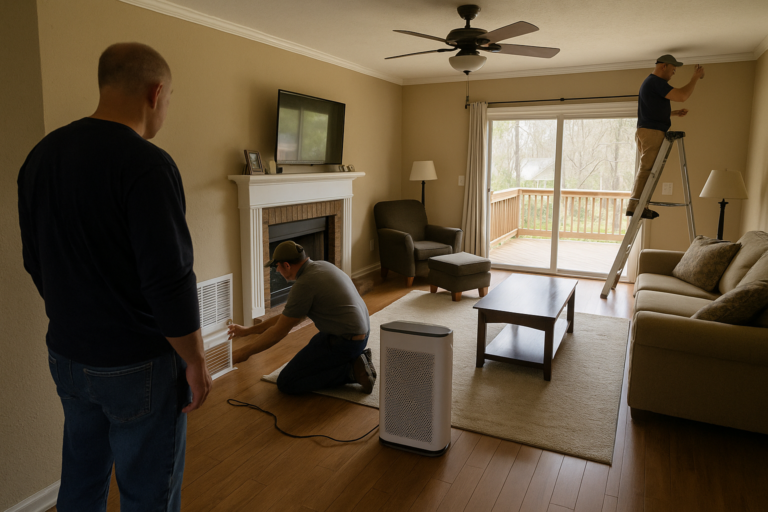
As summer temperatures rise across the Central Savannah River Area, the demands on home appliances increase. From air conditioning units working overtime to refrigerators and freezers managing increased food storage, ensuring these systems are in optimal condition is crucial. A proactive maintenance approach can prevent inconvenient breakdowns and extend the lifespan of essential household equipment.
**Air Conditioning Units:**
Regular cleaning and inspection of your air conditioning system are paramount during the summer. The U.S. Department of Energy recommends changing or cleaning air filters monthly during periods of heavy use. Dirty filters restrict airflow, forcing the unit to work harder and consume more energy. Beyond filters, homeowners should visually inspect the outdoor condenser unit for debris like leaves and grass clippings that can impede airflow. Ensure the area around the unit is clear. For those comfortable with basic maintenance, cleaning the condenser coils can improve efficiency. This typically involves turning off the power to the unit, removing the top grille, and gently spraying the coils with a hose. For more complex issues or annual professional tune-ups, scheduling a service appointment with a qualified HVAC technician before the peak of summer heat is advisable.
**Refrigerators and Freezers:**
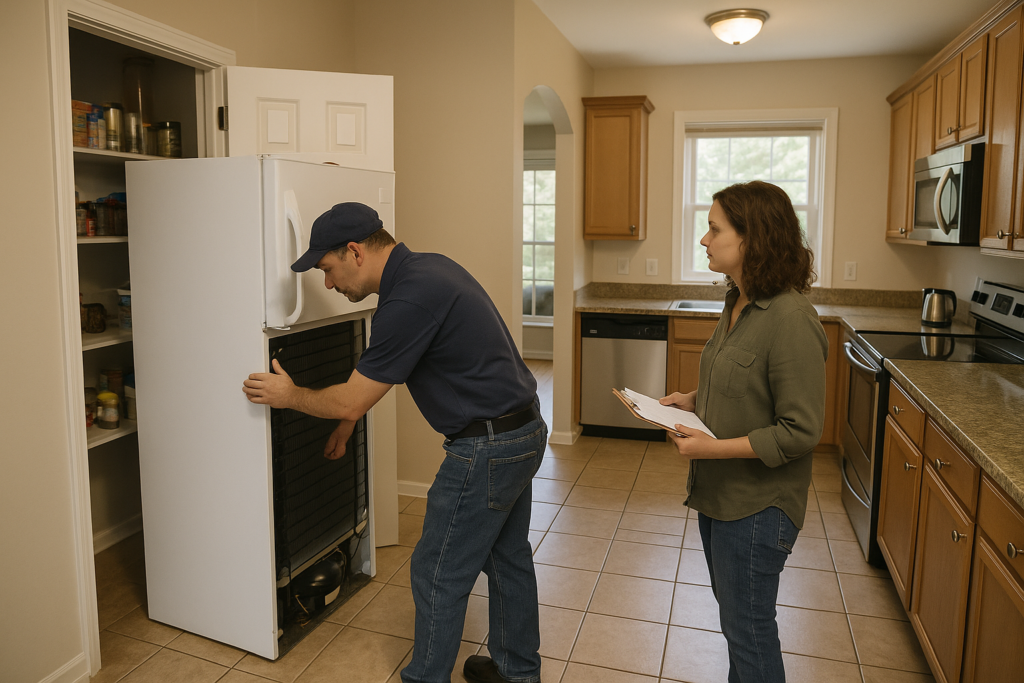
These appliances are critical for food safety, especially during summer when more perishable items may be stored. The coils on the back or underneath the refrigerator dissipate heat. If these coils are covered in dust and debris, the unit must work harder to stay cool, leading to increased energy consumption and potential strain on the compressor. It is recommended to pull the refrigerator away from the wall (if space permits) and vacuum or brush the coils clean at least twice a year. Check the door seals for any gaps or damage; a poor seal allows cold air to escape and warm air to enter, reducing efficiency. A simple test is to close the door on a piece of paper or a dollar bill. If you can pull it out easily, the seal may need adjustment or replacement.
**Dishwashers:**
While not as directly impacted by summer heat as cooling or refrigeration systems, dishwashers can still benefit from seasonal attention. Food debris can accumulate in the filter and spray arms, leading to less effective cleaning and potential clogs. Most modern dishwashers have a removable filter at the bottom of the tub that can be rinsed under running water. Check the spray arms for blocked holes; a toothpick can often clear these. Running an empty cycle with a dishwasher cleaner or a cup of white vinegar placed on the top rack can help descale the interior and remove odors.
**Washing Machines and Dryers:**
Increased laundry loads during summer, especially with outdoor activities, can put extra stress on washing machines and dryers. For washing machines, check hoses for signs of wear, such as cracks or bulging, and ensure connections are secure to prevent leaks. Clean the lint filter in the dryer after every use. Beyond the basic filter, the dryer vent duct that runs from the back of the dryer to the outside of the house can accumulate significant lint, posing a fire hazard and reducing drying efficiency. Periodic cleaning of this vent line, at least annually, is recommended. This can often be done with a specialized brush kit or by a professional service.
**Ovens and Stovetops:**
While primarily used year-round, summer cooking, including more frequent use of outdoor grills, can sometimes lead to less attention being paid to indoor cooking appliances. Ensuring oven racks are clean and that any self-cleaning cycles are completed as needed can maintain performance. For gas stovetops, ensure burner ports are clear of debris to guarantee proper flame distribution. Electric stovetops should be checked for any damaged heating elements.
**Water Heaters:**
Summer can see increased demand for hot water, particularly with more guests or outdoor activities. Draining a small amount of water from the bottom of the water heater tank annually can help flush out sediment that can reduce efficiency and potentially damage the tank over time. Check the temperature and pressure relief valve to ensure it is functioning correctly. For gas water heaters, inspect the burner assembly and vent for any obstructions.
**General Electrical Safety:**
With increased appliance usage, it is important to be mindful of electrical loads. Avoid overloading circuits, which can trip breakers or, in rare cases, pose a fire risk. Ensure all appliance cords are in good condition, free from fraying or damage. Regular visual inspections of outlets and switches can identify potential issues before they become serious problems.