Maintaining good indoor air quality is crucial for the health and comfort of residents throughout Aiken. The air inside homes can often be more polluted than outdoor air, due to a variety of factors including building materials, household products, and occupant activities. Addressing common indoor air pollutants can lead to a healthier living environment.
One of the most effective strategies for improving indoor air quality is source control. This involves identifying and reducing or eliminating the sources of pollutants. For instance, volatile organic compounds (VOCs) are emitted from many common household products, including paints, cleaning supplies, air fresheners, and even some furniture. When selecting these products, homeowners in Aiken can opt for low-VOC or no-VOC alternatives. Proper storage of chemicals and prompt cleanup of spills can also minimize exposure. Ventilation is another key component. Ensuring adequate fresh air enters the home can dilute indoor pollutants. This can be achieved by opening windows and doors when outdoor air quality is good, or by using exhaust fans in kitchens and bathrooms to remove moisture and pollutants at their source. Whole-house ventilation systems, such as heat or energy recovery ventilators, can provide continuous fresh air without significant energy loss.
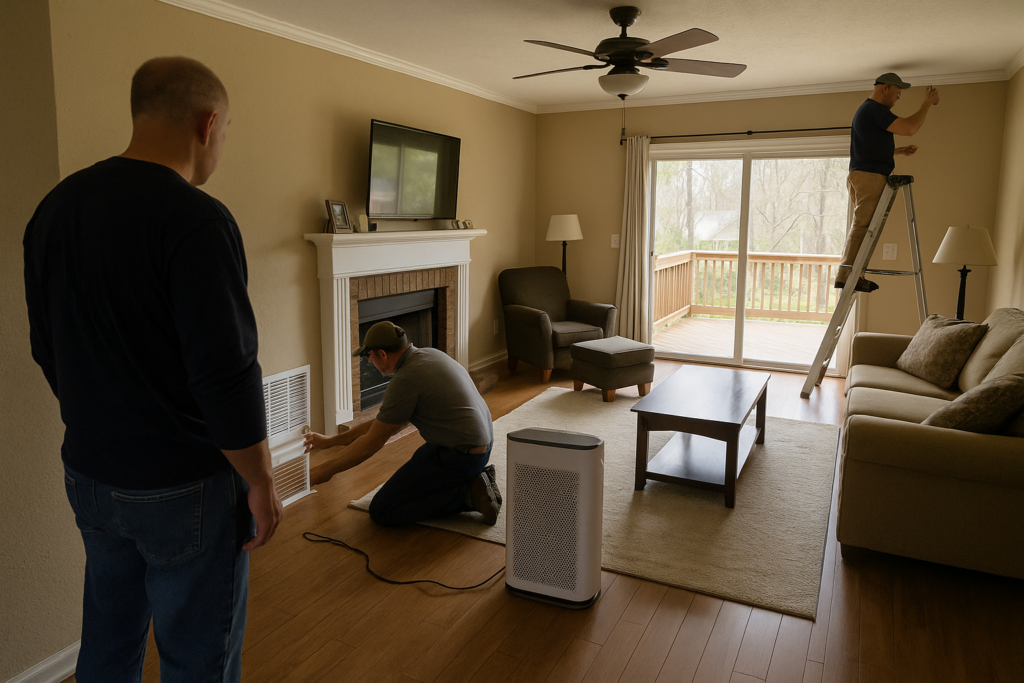
Filtration plays a vital role in removing airborne particles. High-efficiency particulate air (HEPA) filters, when used in portable air purifiers or central HVAC systems, can capture a significant portion of dust, pollen, pet dander, and other allergens. Homeowners should regularly check and replace HVAC filters according to manufacturer recommendations to ensure optimal performance. For central systems, using filters with a MERV (Minimum Efficiency Reporting Value) rating of 11 or higher is generally recommended for improved air cleaning.
Moisture control is essential to prevent the growth of mold and mildew, which can release spores into the air and trigger respiratory issues. Common sources of excess moisture include leaks from plumbing or roofs, condensation on windows, and high humidity levels. Addressing leaks promptly, using dehumidifiers in damp areas like basements, and ensuring proper ventilation in bathrooms and kitchens are critical steps. Aiming for indoor humidity levels between 30% and 50% is generally advised.
Combustion appliances, such as gas stoves, fireplaces, and furnaces, can release carbon monoxide and nitrogen dioxide into the home if not properly vented or maintained. Ensuring these appliances are regularly inspected and serviced by qualified technicians is paramount. Carbon monoxide detectors should be installed on every level of the home and tested regularly.
Regular cleaning can also significantly impact indoor air quality. Dusting surfaces with a damp cloth, vacuuming carpets and upholstery with a vacuum cleaner equipped with a HEPA filter, and washing bedding frequently can reduce the accumulation of dust mites, allergens, and other particulate matter. For homeowners in Aiken, understanding these basic principles and implementing them consistently can lead to a noticeably cleaner and healthier indoor environment.