A recent proposal by President Donald Trump to allow an additional 300,000 metric tons of foreign beef into the United States over the next 90 days, aiming to lower hamburger prices by the November midterm elections, has drawn criticism from South Carolina ranchers. This development, announced by the President on August 21, seeks to address consumer demand for more affordable meat, but state agricultural leaders express concern about its impact on domestic producers.
S.C. Farm Bureau President Harry Ott stated on August 22 that the organization is disappointed by proposals to increase foreign beef imports, emphasizing the need to strengthen American farmers and ranchers rather than undermine them. Ott highlighted the importance of a strong domestic cattle industry for food security, the rural economy, and the long-term supply of safe, high-quality beef.
Clemson agricultural economist Matthew Fischer explained that the current high beef prices stem from a perfect storm of factors. The cattle herd peaked at about 95 million head in 2019, but a normal contraction cycle began, exacerbated by a severe and prolonged drought in Western states starting in 2021. This drought reduced available feed, forcing ranchers to send more cattle, including breeding heifers, to market, which in turn reduced future calf counts. Additionally, a dangerous parasite, the New World screwworm, appearing in Mexico in 2024, led the U.S. to halt cattle imports from that country, removing a critical pressure valve for low U.S. supplies. Concurrently, American consumers increased beef consumption, initially with pandemic relief checks and then maintaining the habit.
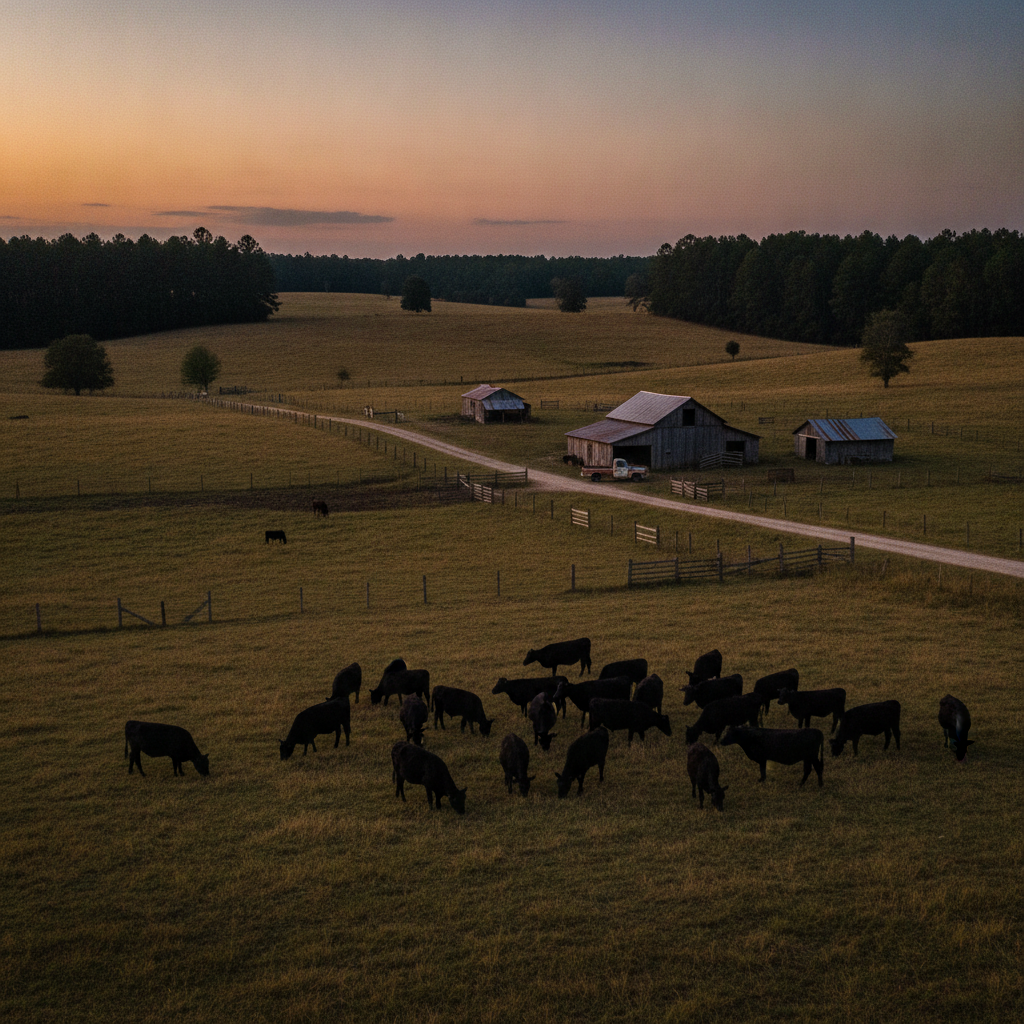
South Carolina, while not a primary cattle-producing state like Texas or Oklahoma, has a significant ranching sector. The state has approximately 280,000 cattle spread across 6,500 farms, a number that has decreased by over 5% from last year, mirroring the national contraction. Cattle contribute about $174 million to South Carolina’s economy. Aiken County, with its strong agricultural roots and rural areas, is home to a portion of these farms and ranchers who could be affected by the import policy.
Deshawn Blanding, the Democratic nominee for state agriculture commissioner, expressed deep concern about the potential damage a temporary influx of beef imports could inflict on South Carolina farmers. Blanding, a sixth-generation farmer, noted that ranchers were just beginning to recover financially after years of hardship. He also questioned the lack of information from the Trump administration regarding the origin of the tariff-free beef, suggesting it makes it difficult for consumers to know what they are purchasing. Republican nominee Cody Simpson, in an August 26 social media post, voiced trust in President Trump’s decisions and affirmed his commitment to lowering costs for South Carolina families, strengthening local markets, and ensuring producers can compete. Simpson also advocated for increased meat processing capacity, stronger local markets, and greater support for farmers and ranchers to maintain grazing lands in agricultural production.
Fischer noted that South Carolina is predominantly a cow-calf state, meaning most calf production is for sale to Southern Plains feedlots rather than direct beef production. The long-term solution for high U.S. beef prices, he said, is a larger American herd, a process that will take time, likely beyond the 10 weeks remaining until the election.
Section: More Aiken SC politics news
Filed under: Aiken SC Politics News