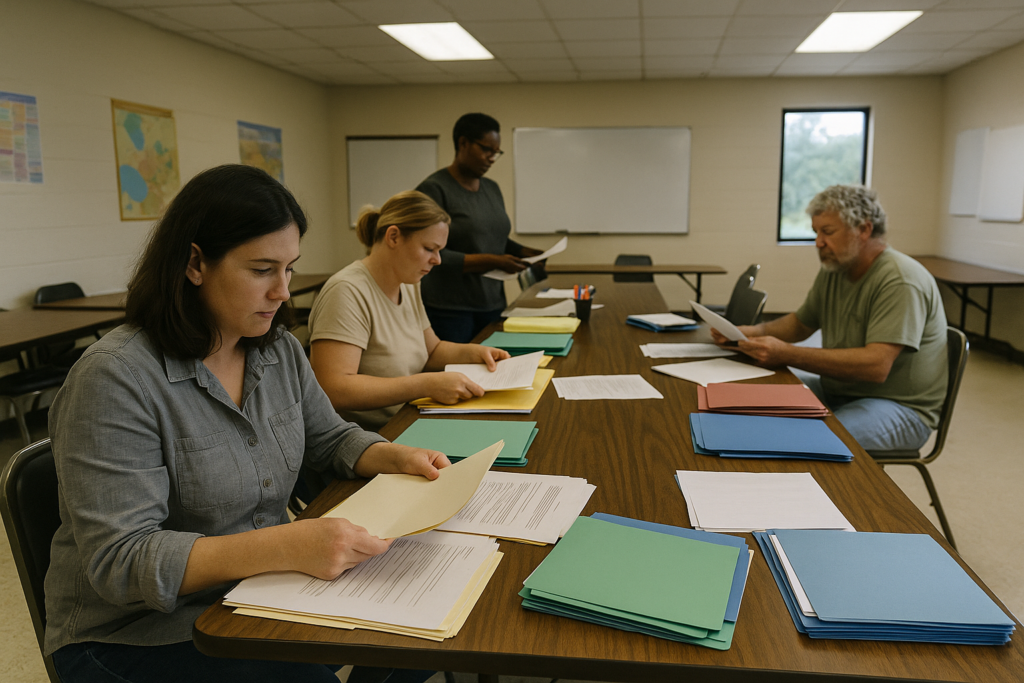
Navigating the educational landscape for children with Individualized Education Programs (IEPs) or Section 504 plans can be a complex undertaking for parents and guardians. These documents, critical for ensuring students receive appropriate support and accommodations, generate a significant amount of paperwork. Effective organization is key to advocating for a child’s educational needs.
Establishing a System
The first step for any parent is to establish a consistent system for managing these documents. This could involve a physical filing cabinet, a dedicated binder, or a digital folder structure on a computer or cloud storage service. The chosen method should be easily accessible and allow for quick retrieval of information.
Essential Components of an IEP/504 File
Regardless of the storage method, certain core components should be included in every student’s educational file:
* The Official Plan: This is the central document outlining the student’s goals, services, accommodations, and modifications. Ensure the most current version is readily available.
* Evaluation Reports: Keep copies of all initial and re-evaluation reports, including psychological, academic, speech-language, and occupational therapy assessments. These reports provide the data and rationale behind the student’s eligibility for services.
* Progress Reports: Maintain records of all progress reports, which detail the student’s academic and functional performance relative to their IEP/504 goals. These are typically issued periodically by the school.
* Communication Logs: A log of all communications with school personnel—emails, phone calls, meeting notes—can be invaluable. This includes dates, names of individuals spoken to, and a brief summary of the discussion.
* Meeting Summaries: Keep notes or summaries from all IEP/504 team meetings. These should capture decisions made, action items, and attendees.
* Medical and Therapeutic Records: Any relevant medical diagnoses, doctor’s notes, or reports from outside therapists (e.g., tutors, counselors) that support the student’s needs should be included.
* Work Samples: Samples of the student’s work that demonstrate progress or areas of difficulty can provide concrete evidence of their academic journey.
Digital Organization Tips
For parents opting for digital organization, several strategies can enhance efficiency:
* Consistent Naming Conventions: Use clear and consistent file names (e.g., “StudentNameIEPDate”, “StudentNameProgressReportMath_Date”).
* Folder Structure: Create a main folder for the student and subfolders for categories like “Evaluations,” “Progress Reports,” “Meeting Notes,” and “Communications.”
* Scanning Documents: Utilize a scanner or a mobile scanning app to digitize paper documents. Ensure scanned files are clear and legible.
* Cloud Backup: Store digital files in a secure cloud service (e.g., Google Drive, Dropbox, iCloud) to ensure they are backed up and accessible from multiple devices.
Maintaining the System
Regularly reviewing and updating the organized files is crucial. After each meeting or significant communication, take a few minutes to file new documents and ensure the system remains current. This proactive approach can alleviate stress and empower parents to be more effective advocates for their children within the Aiken County Public School District and other local educational settings.
Why it matters in Aiken
For families in Aiken, particularly those with children attending schools within the Aiken County Public School District, maintaining organized IEP and 504 documents is essential for ensuring equitable access to education and necessary support services. The district, like others nationwide, relies on these plans to guide student instruction and accommodations. Having a well-maintained record allows parents to clearly communicate a child’s needs, track progress effectively, and collaborate more productively with educators at schools such as Aiken Elementary or Aiken High School. This organized approach can lead to better outcomes for students, ensuring they receive the tailored educational experience they require to succeed within the local community.