Catch-and-release fishing, a practice focused on returning fish to the water after capture, is a cornerstone of responsible angling. This method aims to maintain healthy fish populations and ensure the long-term viability of aquatic environments for future generations. For anglers in the Aiken region, understanding the basic principles of catch-and-release is crucial for preserving the health of local waterways such as the Savannah River and its tributaries, as well as lakes like Langley Pond and Boyd Pond.
The fundamental goal of catch-and-release is to minimize stress and physical harm to the fish, allowing it to survive and reproduce. This begins with the equipment used. Anglers should opt for appropriate tackle that matches the size of the fish they intend to catch. Using a rod and reel that are too light can prolong the fight, leading to exhaustion and a higher mortality rate for the fish. Conversely, gear that is too heavy can cause unnecessary injury during the struggle.
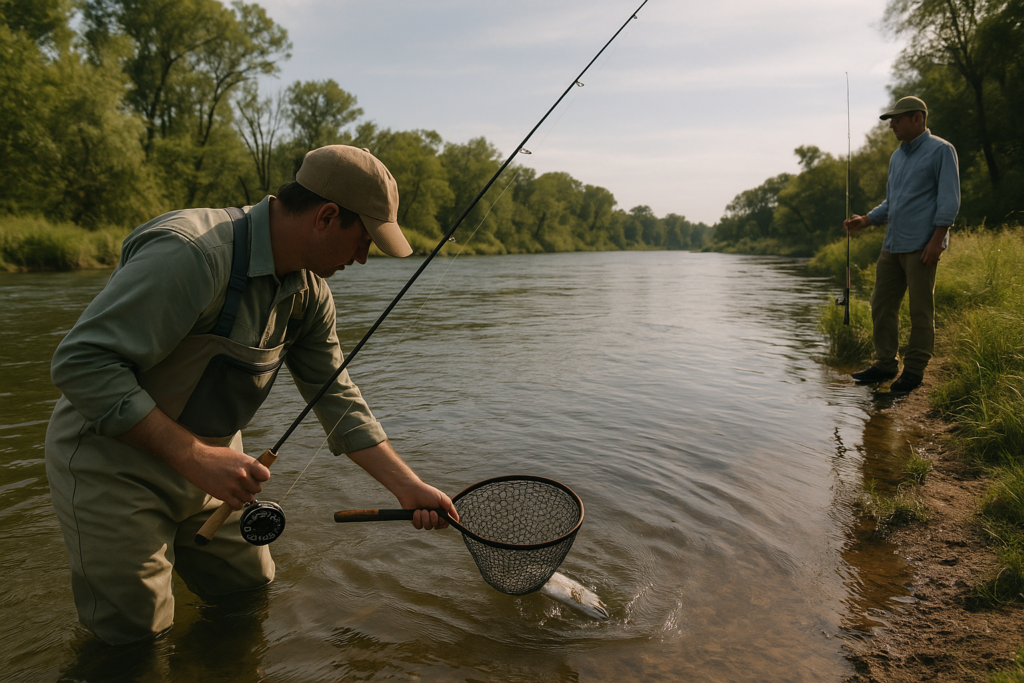
When a fish is hooked, the fight should be kept as short as possible. This means reeling in steadily without allowing the fish to gain slack. If a fish is too large or powerful for the tackle, it is often best to let it go immediately rather than risk breaking the line and causing further injury. Once the fish is brought near the boat or shore, it should be handled with care. Wet hands or a wet glove should be used to grip the fish, as dry hands can strip away its protective slime coat, leaving it vulnerable to infection. Avoid touching the gills or eyes.
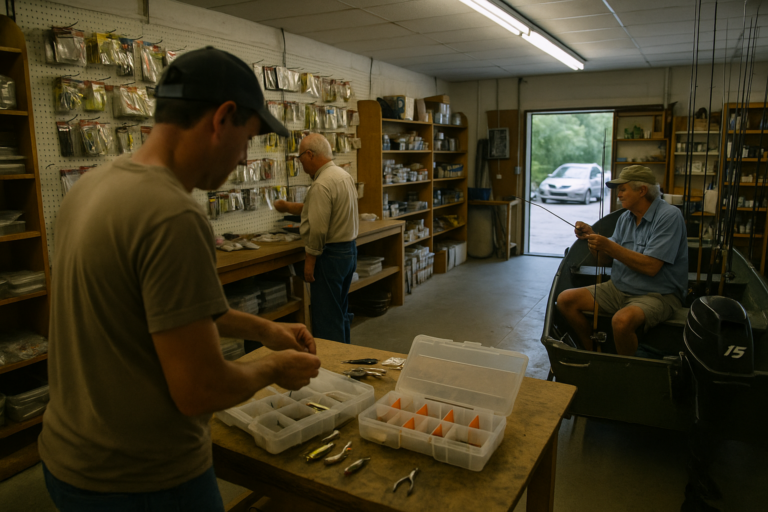
For fish that are to be released, the use of barbless hooks or hooks with the barbs crimped down is highly recommended. This makes hook removal easier and less damaging. If a fish has swallowed the hook, it is often best to cut the line as close to the hook as possible rather than attempting a difficult and potentially fatal removal. Specialized fishing pliers or heeland needle-nose pliers are essential tools for safe and efficient hook extraction. The hook should be removed quickly and gently, minimizing the time the fish is out of the water.
When releasing a fish, it should be done in calm water. For deeply hooked or exhausted fish, it may be necessary to hold them upright in the water and gently move them back and forth to allow water to flow through their gills, aiding their recovery. Once the fish shows signs of revived strength, such as a strong tail kick, it can be released. This process is vital for ensuring the fish has the best chance of survival after being caught.
Local regulations also play a role in catch-and-release fishing. Anglers should familiarize themselves with any size or creel limits that may be in place for specific species in Aiken County’s waters. These regulations are designed to protect fish populations, particularly during spawning seasons, and to ensure the sustainability of recreational fishing.
Implementing these catch-and-release techniques can contribute significantly to the health of fish populations in the waters around Aiken. By prioritizing the well-being of the fish, anglers can help ensure that the sport of fishing remains a vibrant and sustainable activity for years to come. This practice is not just about catching fish; it is about preserving the aquatic ecosystems that support them.
Why it matters in Aiken:
The practice of catch-and-release fishing directly impacts the health of aquatic ecosystems within Aiken County, including popular spots like Boyd Pond Park and Langley Pond Park. By minimizing harm to fish, anglers contribute to the sustainability of local fish populations, ensuring that these natural resources remain available for recreational use and ecological balance. This stewardship is particularly important for maintaining the biodiversity of the Savannah River Basin and the Edisto River Basin, which are vital natural assets for the region. The continued health of these waterways supports not only fishing but also the broader environmental well-being of the Aiken community, benefiting institutions like the University of South Carolina Aiken which may utilize these areas for environmental studies.