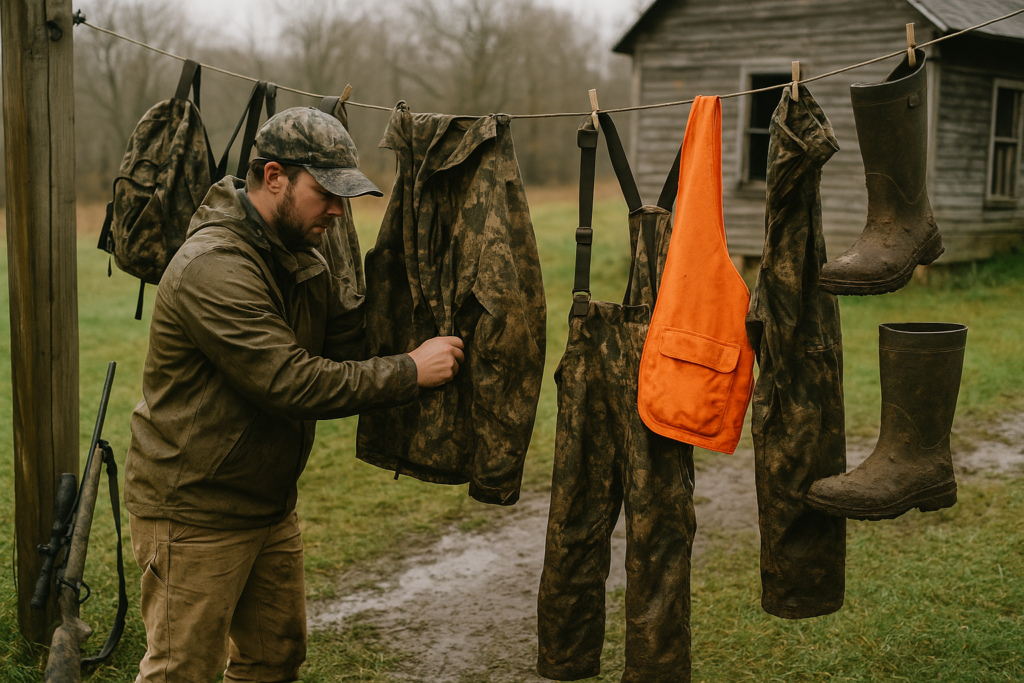
Following a successful hunt, particularly one that involves inclement weather, the proper care of hunting gear is paramount to its longevity and performance. A systematic approach to drying and maintenance can prevent damage, preserve materials, and ensure equipment is ready for the next outing.
Drying Boots:
Boots, often the first line of defense against the elements, require thorough drying. After a hunt, remove boots and loosen any laces or closures to allow for maximum air circulation. If the boots are heavily soiled or wet, consider removing insoles and drying them separately. Stuffing boots with newspaper or using a boot dryer designed for outdoor gear can accelerate the drying process. Avoid placing boots near direct heat sources, such as radiators or fires, as this can damage leather and adhesives, leading to cracking and separation.
Clothing and Outerwear:
Waterproof and breathable outerwear, such as jackets and pants, should be hung to dry in a well-ventilated area. For heavily soiled items, a gentle cleaning according to the manufacturer’s instructions may be necessary. This often involves mild detergents and avoiding fabric softeners, which can impede the performance of waterproof membranes. Ensure all zippers and closures are undone to facilitate drying.
Firearms and Metal Components:
Metal parts of firearms and other hunting equipment are susceptible to rust, especially after exposure to moisture. After a hunt, it is crucial to inspect all metal components. A light application of a quality gun oil or protectant to exposed metal surfaces can prevent corrosion. Pay close attention to the bore, action, and any external metal parts. For firearms, a basic cleaning routine involving wiping down the exterior and ensuring the action is free of debris is recommended.
Licenses and Permits:
Hunting licenses and permits are essential legal documents. After a hunt, ensure these documents are stored safely and securely. If they have become wet, allow them to dry completely before storing them in a protective sleeve or wallet. Keeping licenses in a waterproof container during a hunt can prevent damage.
General Maintenance:
Beyond immediate drying, a routine inspection of all gear can identify potential issues before they become significant problems. Check seams on clothing for wear, inspect the integrity of backpack straps, and ensure any electronic devices used during the hunt are functioning correctly. This proactive approach to maintenance extends the useful life of hunting equipment and ensures reliability in the field.
This framework provides a practical guide for hunters. Local regulations, specific equipment manufacturer recommendations, and individual budgets should always be considered when adapting these practices. Professional guidance may also offer insights tailored to particular types of hunting or environmental conditions.