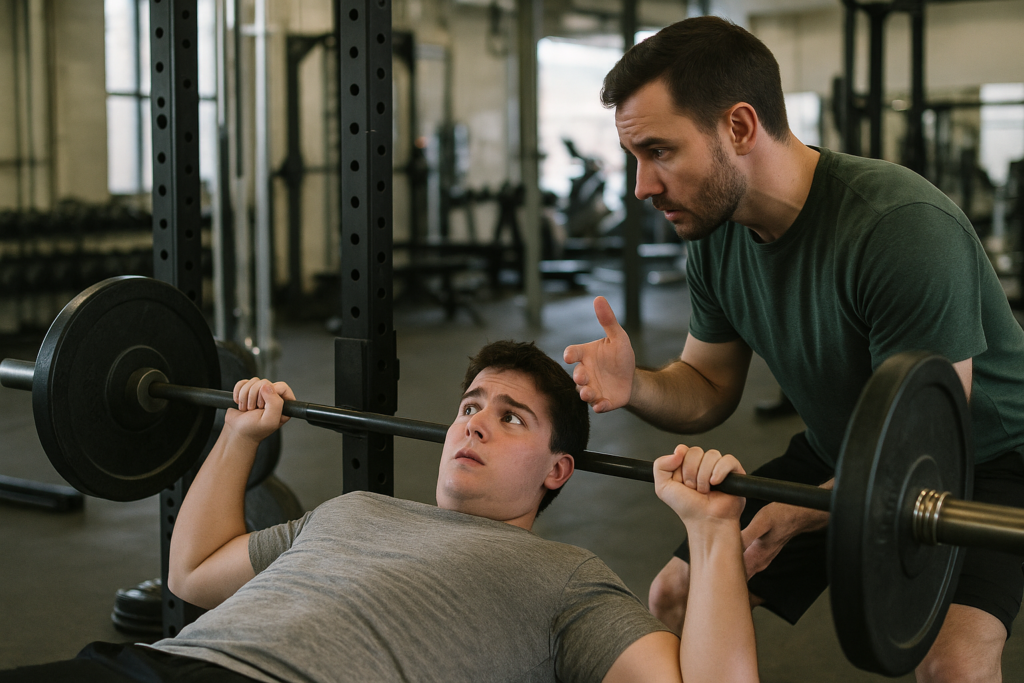
For individuals beginning a strength training regimen, establishing a safe and effective practice is paramount. A foundational framework for beginner strength training safety questions offers a practical approach to minimize risks and maximize benefits. This framework encourages new participants to prioritize simple, foundational movements, ensure adequate rest between training sessions, and consult with a clinician regarding any pain or pre-existing chronic conditions.
Starting with basic exercises allows the body to adapt to the demands of strength training gradually. These foundational movements often involve compound exercises that engage multiple muscle groups, such as squats, lunges, and push-ups, performed with proper form. Focusing on technique over the amount of weight lifted is crucial in the initial stages. This approach helps build a solid base of strength and coordination, reducing the likelihood of injury.
Rest and recovery are equally vital components of a safe strength training program. Muscles require time to repair and rebuild after exercise. Adhering to a schedule that includes rest days between strength training sessions allows for this recovery process. Overtraining, or pushing the body too hard without sufficient rest, can lead to fatigue, decreased performance, and an increased risk of injury. Listening to the body and recognizing signs of fatigue or soreness is a key aspect of this recovery process.
Furthermore, individuals with any existing pain or chronic health conditions should seek professional guidance before commencing a strength training program. Consulting with a physician, physical therapist, or certified personal trainer can help tailor a program to individual needs and limitations. These professionals can assess any potential risks, recommend appropriate modifications, and ensure that the training program is safe and beneficial. This personalized approach is particularly important for those managing conditions such as arthritis, heart disease, or diabetes, ensuring that exercise complements their overall health management plan.
While this framework provides general guidance, it is important for individuals to adapt these principles to their specific local rules, conditions, budgets, and professional recommendations. The specifics of implementing a strength training program can vary based on available resources and personal circumstances. For example, access to different types of equipment or the availability of local fitness professionals can influence how a program is structured. Similarly, local health advisories or regulations, though not detailed here, may also play a role in individual planning.
This approach to beginner strength training emphasizes a proactive and informed strategy. By focusing on simple movements, prioritizing rest, and seeking expert advice when needed, individuals can build a sustainable and safe strength training practice. This evergreen framework is designed to equip new participants with the essential considerations for a healthy start, promoting long-term fitness and well-being.