Aiken residents focused on heart health may find new dietary guidance from a cardiologist who emphasizes avoiding certain white, starchy foods. Dr. James Stone, a cardiologist at the South Heart Clinic in Harlingen, Texas, recently shared his primary dietary rule: to not consume white, high-starch foods. This advice, published on August 30, 2026, focuses on eliminating added sugar, excess salt, white bread, white rice, white flour, and white pasta from one’s diet.
Dr. Stone explains that many patients struggle with unsustainable low-calorie, low-fat diets. Instead, he prioritizes avoiding high-starch white foods, stating that his diet consists of fruits, nuts, proteins, and vegetables, with liquids limited to water, black coffee, and unsweetened tea. He clarifies that this rule does not apply to naturally white, nutritious whole foods like cauliflower or onions.
The emphasis on limiting added sugar is supported by research indicating its link to increased risks of high blood pressure, coronary heart disease, cancer, and premature death. The Centers for Disease Control and Prevention also notes that excessive added sugar can lead to weight gain, obesity, and Type 2 diabetes. While some salt is essential, most Americans consume too much, which can cause water retention and increased pressure on arteries, according to a registered dietitian. Refined grains, such as white rice or white bread, lose significant protein, antioxidants, and fiber during processing, leading to rapid blood sugar spikes.
The Dietary Guidelines for Americans (2025-2030) recommend prioritizing fiber-rich whole grains and substantially reducing highly processed, refined carbohydrates. Studies have shown that consuming whole grains instead of refined grains can help prevent cardiovascular disease. Dr. Stone warns that a diet high in white bread, pasta, rice, flour, sugar, and salt can lead to diabetes and heart issues.
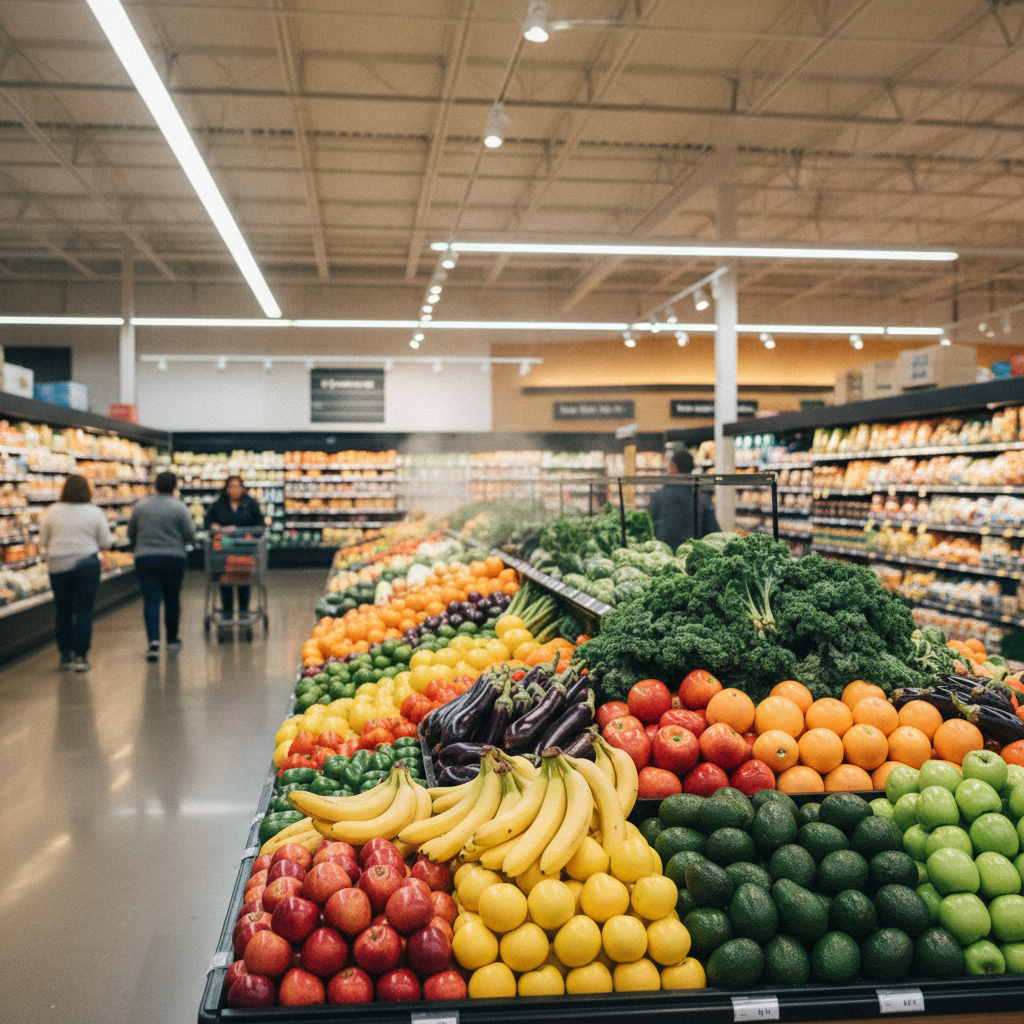
To adopt a heart-healthy diet, Dr. Stone advises filling plates with whole, unprocessed, or minimally processed foods. These include vegetables, fruits, nuts, seeds, meats, eggs, whole grains, beans, dairy, and seafood, which are rich in nutrients and fiber, including soluble fiber that can help lower LDL cholesterol. He also suggests choosing colorful options, such as a sweet potato over a white potato, as pigments in fruits and vegetables often indicate powerful antioxidant activity. Dr. Stone likens modern dietary habits to a deviation from how humans were historically engineered to eat, advocating for a return to a diet centered on natural, whole foods.
Filed under: Aiken SC Health News