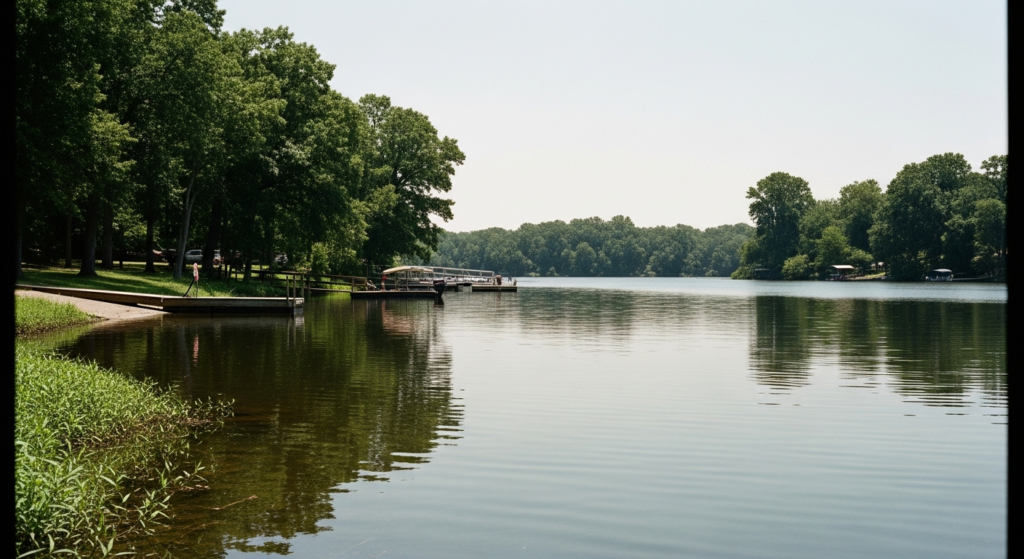
A comprehensive safety guide has been issued, providing detailed recommendations for individuals engaging in fishing activities across Aiken and the wider Central Savannah River Area. The guide emphasizes precautions against the intense summer heat and sun, alongside essential hydration and emergency preparedness measures, particularly relevant for those spending extended periods on local rivers and lakes.
The guide highlights the significant risks posed by solar radiation, noting that the sun’s ultraviolet (UV) rays are strongest between 10 AM and 4 PM. Water surfaces, common in fishing environments such as the Savannah River or Langley Pond, can reflect up to 15% of UV radiation, intensifying exposure. To mitigate these risks, the guide recommends applying a broad-spectrum sunscreen with a minimum Sun Protection Factor (SPF) of 30, with SPF 50 or higher suggested for prolonged water exposure. It advises application 30 minutes before outdoor activity and reapplication every two hours, or more frequently if an individual is sweating heavily or has been splashed.
Beyond sunscreen, the guide outlines specific protective equipment designed to reduce sun exposure. This includes lightweight, long-sleeved clothing with an Ultraviolet Protection Factor (UPF) rating, which indicates how much UV radiation a fabric blocks. Light-colored garments are also recommended, as they reflect sunlight rather than absorbing it. A wide-brimmed hat, offering at least four inches of coverage around the head and neck, is crucial for facial protection. Additionally, polarized sunglasses with 100% UV protection are advised to shield eyes from both direct and reflected sunlight, which can be particularly intense on water bodies like Boyd Pond or the South Fork Edisto River.
Maintaining adequate hydration is a central theme of the safety recommendations. The guide suggests consuming at least eight ounces of water every 15 to 20 minutes during active fishing. It also stresses the importance of beginning hydration the night before planned fishing excursions to ensure the body is well-prepared. Beverages high in caffeine or alcohol are explicitly discouraged, as they can contribute to dehydration rather than alleviating it. This advice is especially pertinent during Aiken’s summer months, where ambient temperatures and humidity levels can quickly lead to fluid loss.
The guide provides clear indicators for recognizing dehydration, categorizing them by severity. Early signs include increased thirst, a dry mouth, decreased urination, and general fatigue. As dehydration progresses, more severe symptoms can manifest, such as dizziness, a rapid heartbeat, and confusion. Recognizing these signs promptly allows for intervention before conditions worsen, potentially preventing a medical emergency.
Heat stroke is presented as a critical medical emergency requiring immediate action. Symptoms to watch for include a body temperature exceeding 103°F, an altered mental state, and hot, dry skin, although sweating may still occur in some cases. A rapid pulse and potential unconsciousness are also severe indicators. The guide unequivocally states that 911 should be called immediately upon suspecting heat stroke, and aggressive cooling measures should be initiated while awaiting professional medical assistance. This could involve moving the individual to a cooler environment, removing excess clothing, and applying cool, wet cloths.
For those venturing onto larger waterways such as the Savannah River by boat, specific additional safety protocols are recommended. Before departure, boaters should ensure the engine cooling system is in proper working order and that all required safety equipment, including life jackets for all occupants, is on board and accessible. Filing a float plan with a trusted contact, detailing the intended route and expected return time, is also advised. Essential emergency supplies should include extra water, a VHF radio for communication in areas with limited cell service, and a minimum of one gallon of water per person per day for potential emergencies. These measures are designed to enhance safety for recreational boaters and anglers navigating Aiken County’s diverse aquatic environments.
Why it matters in Aiken
The emphasis on fishing safety holds particular significance for Aiken, a community surrounded by numerous waterways that attract anglers year-round, especially during the summer. With popular spots like Langley Pond, Boyd Pond, and the Savannah River drawing residents and visitors, adherence to these guidelines directly impacts public health and safety. Aiken Regional Medical Centers, a key healthcare provider in the area, frequently sees cases of heat-related illness during the warmer months. Proactive measures outlined in the guide, such as proper hydration and sun protection, can reduce the strain on emergency services and ensure that recreational activities remain safe and enjoyable for everyone in the Aiken area.