Freshwater fishing continues to attract a significant following across the United States, with an estimated 40 million participants nationwide. For residents of Aiken and the broader Central Savannah River Area (CSRA), the region’s abundant waterways offer numerous opportunities to engage with the sport. A recently compiled guide aims to demystify the activity for newcomers, outlining fundamental equipment, bait choices, and practical strategies for finding productive fishing spots.
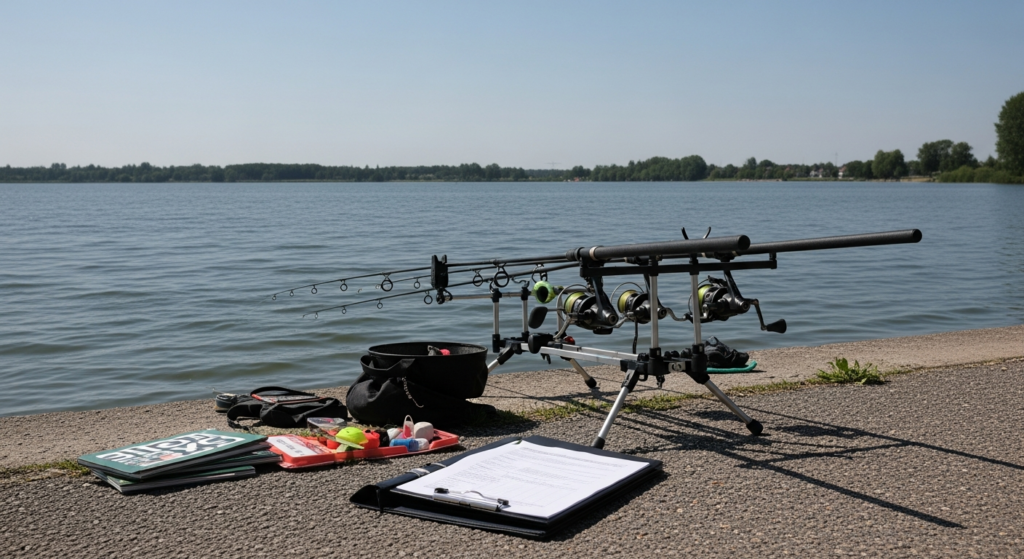
For those just starting out, selecting the right gear is a crucial first step. The guide recommends several beginner-friendly rod and reel setups designed for ease of use and versatility. A 6’6” spincast rod paired with a 150-size spincast reel is often suggested for its simplicity, allowing anglers to cast with minimal effort. Alternatively, a 6’6” spinning rod with a 2000 spinning reel offers more control and is a popular choice for a wide range of freshwater species. For those looking to advance, a 7’ baitcasting rod with a 150-size casting reel provides greater precision and power, though it requires a bit more practice to master.
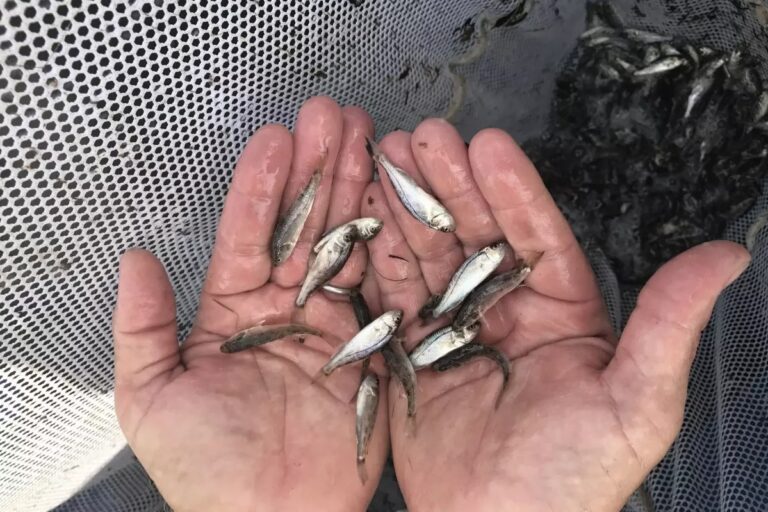
When it comes to fishing line, a 10 lb. monofilament or nylon line is recommended for beginners due to its strength, knot-tying ease, and relative invisibility underwater. As for bait, natural options like worms and minnows remain highly effective and are readily available, appealing to a broad spectrum of freshwater fish.
Beyond live bait, a small selection of versatile lures can significantly enhance a beginner’s tackle box. The guide highlights several categories that are effective in various conditions: topwater lures, which mimic prey on the surface; jerkbaits, designed to be retrieved with an erratic, darting motion; and crankbaits, which dive to different depths depending on their design. Bottom baits, such as a Texas Rig or a jig, are excellent for targeting fish near the lakebed, while vibrating jigs offer a unique action that can attract strikes. Specific lure recommendations include a soft 5-inch stickbait, a 3/8-ounce spinnerbait, a shallow-running crankbait that dives 0-5 feet, and a hollow body frog, particularly useful in areas with heavy cover.
Identifying promising fishing locations is another key component for successful outings. Anglers in the Aiken area are encouraged to consult resources such as the South Carolina Department of Natural Resources website for information on public access points, regulations, and licensing requirements. Local tackle stores can also provide invaluable insights into current conditions and popular spots. Online fishing message boards and specialized fishing apps offer additional avenues for discovering new areas and connecting with experienced anglers. Before heading out, it is essential to purchase a fishing license, which can typically be done online.
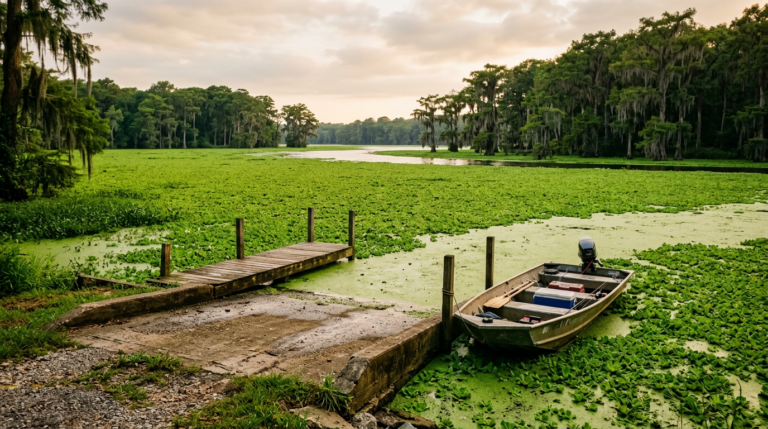
Different types of freshwater bodies in and around Aiken offer distinct fishing experiences. Pond fishing, common in local spots like Langley Pond, Boyd Pond, Hounds Lake, Holley Lake, and the ponds within Aiken State Park, often yields species such as bluegill, crappie, sunfish, catfish, and largemouth bass. These smaller, more contained environments can be ideal for beginners to practice casting and retrieve techniques. For those venturing into larger bodies of water, such as the Savannah River or the deeper sections of regional lakes, a wider array of species may be targeted. While shallow-water species are prevalent, deeper open waters can also hold lake trout and walleye.
Fish activity is influenced by various environmental factors, including season and weather conditions. The guide notes that fish activity can vary with the seasons, with summer patterns often dictating early morning or late evening excursions for optimal results as water temperatures rise. Overcast days or periods of light rain can also stimulate fish feeding, making them more active than during bright, sunny conditions.
Why it matters in Aiken
For Aiken residents, access to comprehensive freshwater fishing guidance directly enhances the recreational opportunities available within the community and across the CSRA. Local natural assets like Langley Pond, Boyd Pond, and Aiken State Park provide accessible venues for this popular pastime, contributing to the quality of life and promoting outdoor engagement. The availability of clear, beginner-friendly information can encourage more individuals and families to explore these resources, potentially boosting local tackle sales and related businesses. As a community with a strong appreciation for outdoor activities, fostering participation in fishing aligns with Aiken’s broader recreational offerings and leverages its natural environment for public benefit.