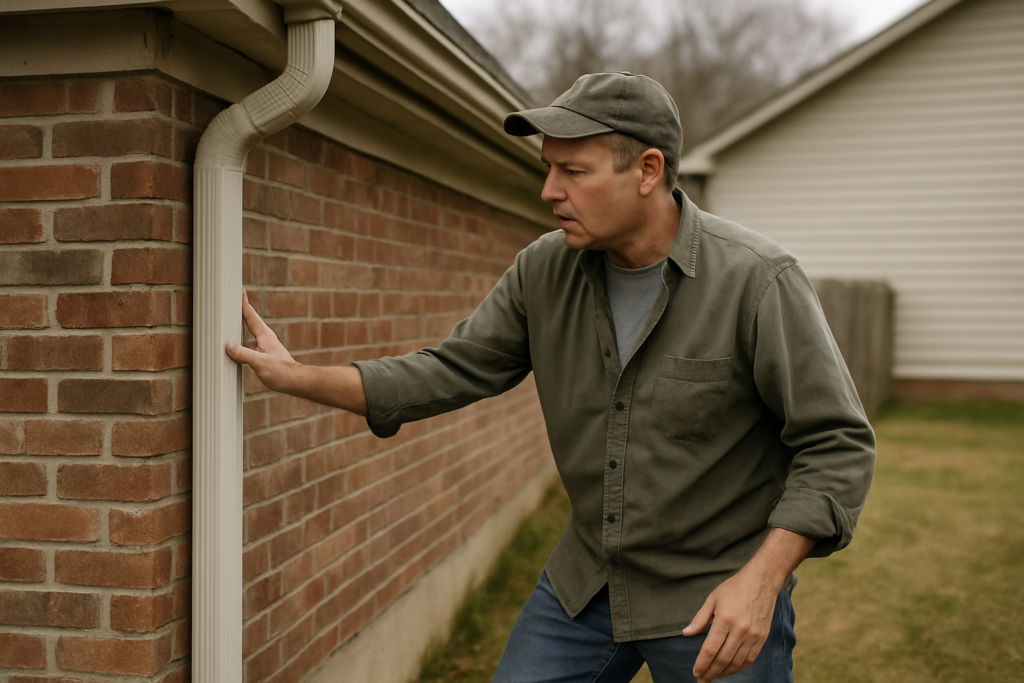
A systematic inspection of rain gutter downspouts offers homeowners a practical framework for maintaining their properties and preventing potential water damage. This process, often referred to as a “Rain Gutter Downspout Walkaround,” involves a series of checks designed to ensure effective water management away from the home’s foundation.
At its core, the walkaround focuses on two primary objectives: clearing blockages and directing water flow appropriately. Debris such as leaves, twigs, and sediment can accumulate in gutters and downspouts, impeding the free movement of water. When gutters become clogged, water can overflow, potentially pooling around the foundation. This standing water can seep into basements or crawl spaces, leading to structural damage, mold growth, and other costly repairs.
Homeowners should begin by visually inspecting the entire length of their downspouts. Look for any obvious obstructions at the top opening where the downspout connects to the gutter, as well as at the bottom outlet. If blockages are visible, they can often be removed with gloved hands or a small trowel. For more stubborn clogs, a plumber’s snake or a strong stream of water from a hose can be effective.
Beyond clearing blockages, the walkaround emphasizes the importance of proper water direction. Downspouts should ideally extend at least several feet away from the home’s foundation. This is critical for preventing water from saturating the soil directly around the house. When water is directed away from the foundation, it reduces the risk of hydrostatic pressure building up against basement walls and minimizes the potential for soil erosion that could undermine the foundation’s stability.
Homeowners should also be vigilant for signs of erosion around the downspout outlets. If water is pooling or digging channels in the soil, it indicates that the current drainage setup is insufficient. In such cases, homeowners may need to consider extending the downspouts further, installing splash blocks, or even implementing more comprehensive underground drainage solutions. The goal is to ensure that rainwater is channeled away from the property efficiently and safely.
Regularly scheduled inspections are key to preventing minor issues from escalating into major problems. While the specific conditions, local regulations, and available budgets will vary for each homeowner, the fundamental principles of checking for blockages and ensuring proper water direction remain constant. Consulting with local building codes or seeking professional guidance can provide tailored advice for adapting this framework to individual circumstances. A proactive approach to gutter and downspout maintenance is an essential component of long-term home care.