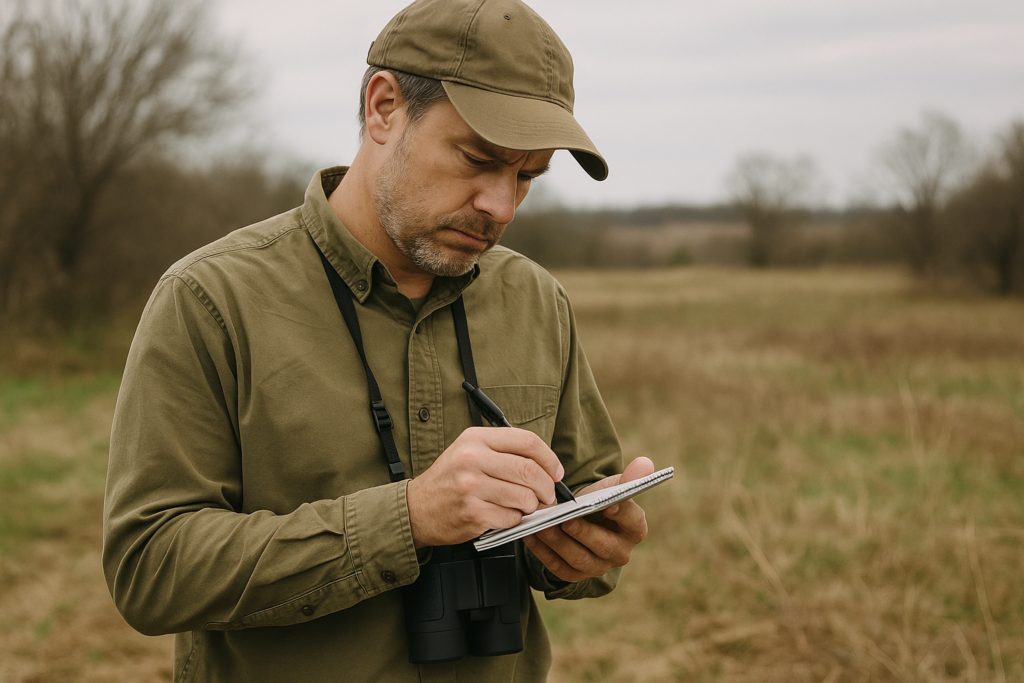
Effective scouting is a cornerstone of successful hunting, and a well-prepared optical system is crucial for this endeavor. Hunters can establish a reliable framework for binocular setup by focusing on a few key adjustments and practices before venturing out. This approach ensures that the equipment performs optimally, enhancing the ability to observe wildlife and terrain.
A fundamental step in binocular preparation involves adjusting the focus to match the user’s eyesight. This is typically done by setting the interpupillary distance, which is the distance between the centers of the two eyepieces. This adjustment aligns the binoculars with the user’s eye spacing, creating a single, clear, and comfortable field of view. Many binoculars feature a central focusing knob, often used in conjunction with an adjustable diopter on one of the eyepieces. The diopter adjustment allows for fine-tuning the focus for each eye individually, compensating for differences in vision. To set the diopter, a hunter should first cover the objective lens on the side with the diopter adjustment and focus on a distant object using the central focus knob. Then, covering the other objective lens, the hunter adjusts the diopter until the image is sharp. Once set, the diopter should ideally remain untouched, with all subsequent focusing done using the central knob.
Carrying a lens cloth is another essential component of binocular preparedness. Optics can easily accumulate dust, smudges, and moisture, particularly in outdoor environments. A clean lens is paramount for clear vision. Hunters should use a soft, lint-free cloth, such as microfiber, specifically designed for optics. It is advisable to avoid using rough materials like shirt sleeves or paper towels, which can scratch the lens coatings. Gentle wiping in a circular motion is generally recommended. For more stubborn dirt or grime, a lens cleaning solution can be used sparingly, applied to the cloth rather than directly to the lens.
Practicing scanning techniques with the binoculars is vital for maximizing their utility during scouting. This involves developing the habit of systematically moving the binoculars across a landscape, rather than making jerky, unfocused movements. A common and effective method is to scan from left to right, or right to left, in horizontal sweeps, then move down slightly and repeat. This ensures that no area is missed. Hunters should also practice quickly acquiring a target once it is spotted. This skill is honed through repetition, allowing the user to bring the binoculars to their eyes and find the subject in the field of view with minimal delay. Familiarity with the binoculars’ field of view—the extent of the area visible through the eyepieces—is also important. A wider field of view can be beneficial for initial scanning, while a narrower field might offer greater detail on a specific target.
Adapting this checklist to specific local conditions, regulations, and personal budgets is a practical consideration for hunters. For instance, the type of terrain in the Central Savannah River Area may influence the preferred magnification and objective lens size of binoculars. Hunters should also consult professional guidance and adhere to any specific rules or recommendations relevant to hunting in South Carolina or the surrounding regions. The goal is to ensure that the chosen equipment and preparation methods align with both the demands of the environment and the individual hunter’s needs.