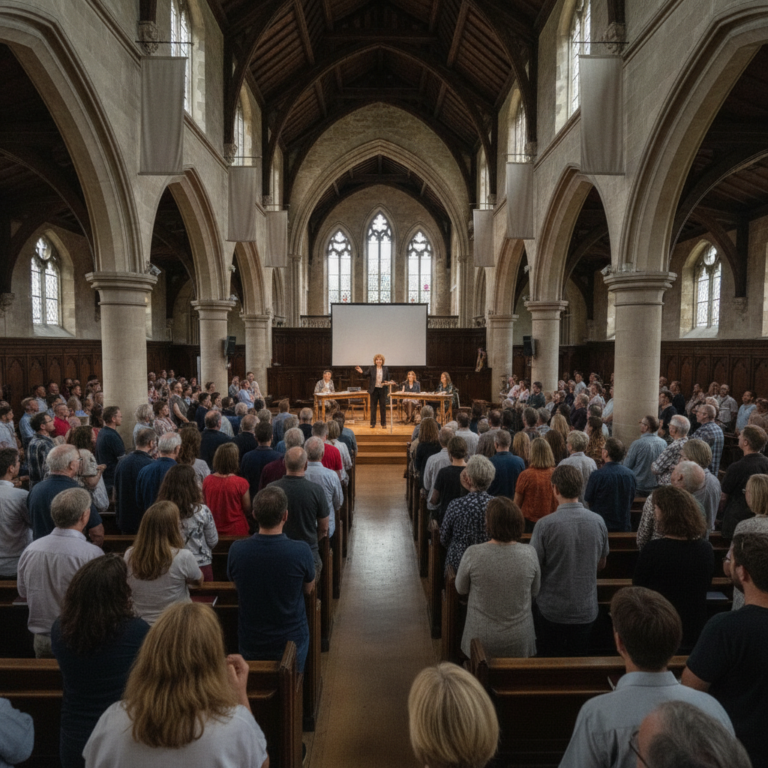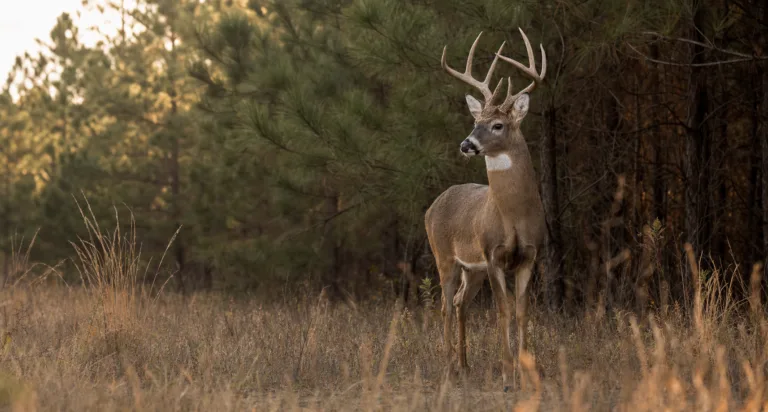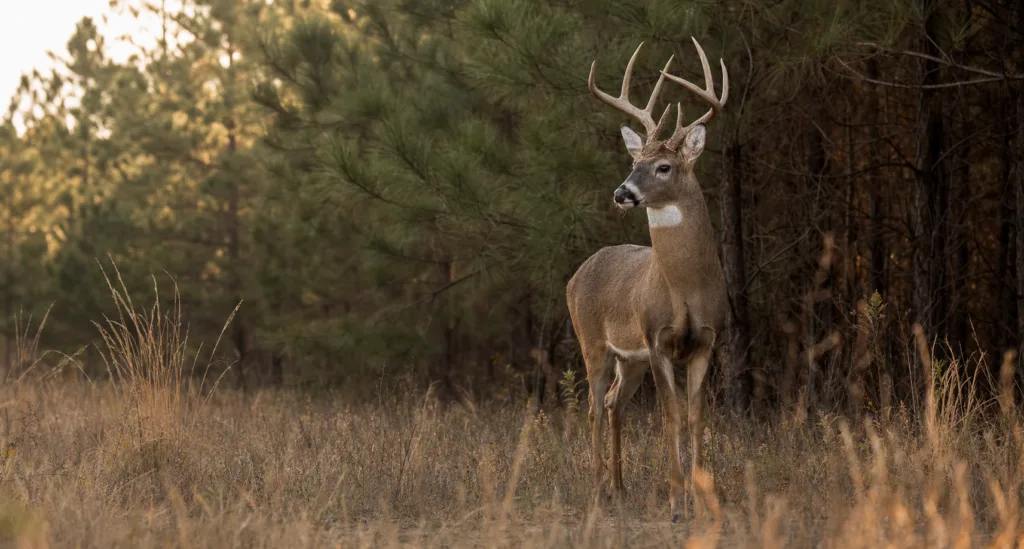
A volunteer push organized by deer hunters and backed by national hunting conservation groups planted thousands of soft-mast and hard-mast trees on New York public hunting land this spring. The work is part of a multi-year habitat improvement push on state-managed forest tracts — and it is the kind of project that quietly does more for the future of hunting than any policy fight ever will.
What Was Planted
The species mix was deliberate. Crews put oaks — primarily white and swamp white — into mast-poor stands where the existing canopy was top-heavy with red maple and beech. Apple and crabapple seedlings went into old field edges where the open ground gets enough sun to keep the trees producing fruit. Persimmon, chestnut, and serviceberry filled in the soft-mast component.
Each species was chosen for two reasons: the wildlife value it delivers and the resilience profile it brings to a forest that is otherwise aging into a less productive structure. White oak in particular is a multi-decade investment that will be feeding deer, turkey, bear, and squirrel long after every volunteer who planted it has hung up the bow.
Why It Matters on Public Land
Most of the highest-quality hunting habitat in the Northeast is in private hands. Public land — state forests, state-managed wildlife areas, and federal tracts — often carries the leftover habitat: closed-canopy, even-aged stands with limited mast diversity and aging soft-mast trees that have already stopped producing.
That public land is where most working-class and youth hunters get their start. Improving its habitat is one of the most direct ways to keep hunting accessible to the next generation. A 10-year-old apple tree along the edge of a state-forest log landing will draw deer for decades, and it will draw them onto ground that anybody with a license can walk.
How Volunteer Crews Work
These planting days are organized through partnerships between state wildlife agencies and national hunter-conservation groups. The agency supplies the site selection, the planting plan, and the seedlings — usually pulled from a state nursery program. Volunteers supply the labor and the tools. A single weekend can put a few thousand trees in the ground when a crew of 20 or 30 shows up with shovels.
The work is genuinely physical. Hand-planting a bare-root oak seedling into rocky northern soil is harder than it sounds, and a crew that plants 1,500 trees in a Saturday has earned its dinner. But the dollar value of the labor donated is enormous, and the per-tree cost of getting the seedling in the ground falls to a fraction of what a contract crew would charge.
The South Carolina Connection
Aiken County hunters might wonder what a tree-planting push in New York has to do with them. Plenty. The model the Northeast crews are running can be transferred directly to public hunting land in the Sandhills and Piedmont, and there are state-owned tracts in the Savannah River basin that would benefit from the same kind of mast-tree investment.
If your hunt club, your kid’s outdoor program, or your church group has a Saturday a year to give, this is the kind of conservation work that pays dividends for the rest of your hunting life. Talk to the state habitat biologists. They have lists of tracts that need exactly this kind of help, and they are usually thrilled when somebody volunteers to do it.
The Long View
Modern hunters love to argue about regulations, season dates, and bag limits. Those arguments matter. But the single most important thing the hunting community can do for the next generation is put trees in the ground — on private land, on public land, on club land, and on the back corner of every farm that will let us. That work is happening, and the New York push this spring is one more piece of proof.