As summer concludes, Lexington residents are encouraged to begin preparing their landscapes for the cooler fall and winter months. Proper care during this transition period, which is particularly relevant as September begins, can significantly improve plant survival through winter, support local pollinators, and enhance the overall health and appearance of gardens and lawns.
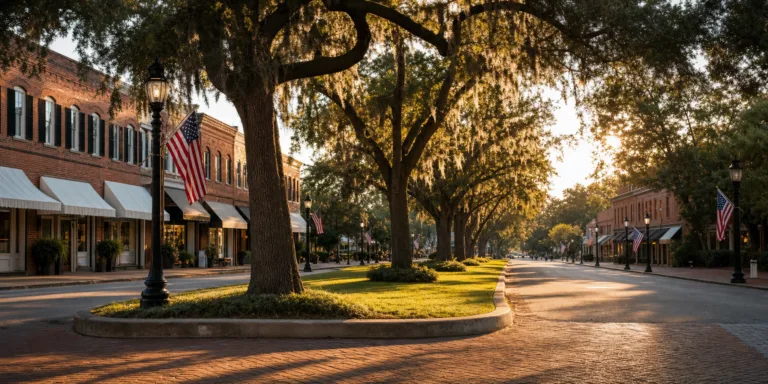
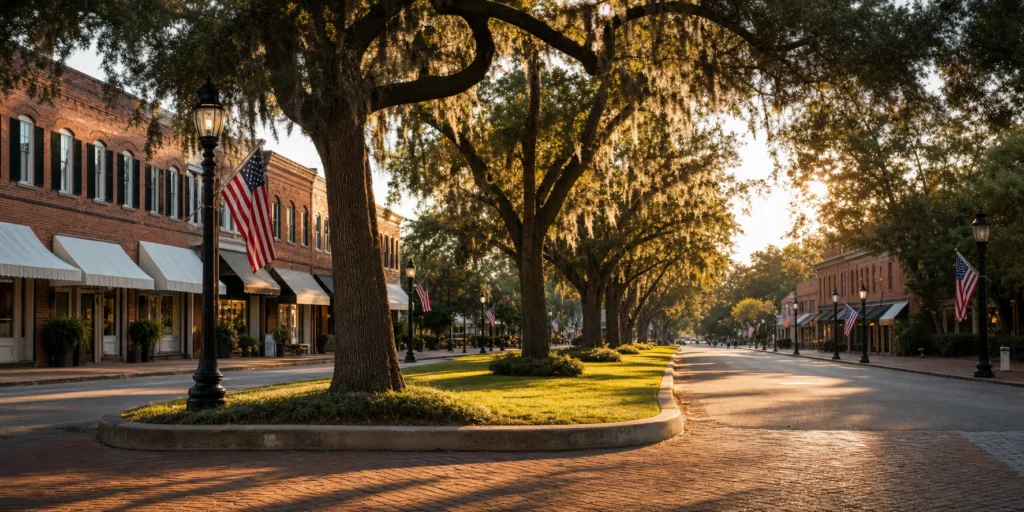
A key task is to continue consistent watering, especially for new plantings, evergreens, and moisture-loving species. Even established trees benefit from adequate hydration, as drought stress can leave them vulnerable to insects and diseases. Removing weeds from gardens and mixed borders now, while temperatures are milder, can reduce the amount of weeding required next spring. This proactive approach helps maintain the aesthetic appeal of areas like those found in the Downtown / Historic District or Woodside Plantation.
Gardeners should not put away their mowers just yet. Lawns should continue to be cut as long as growth persists. A beneficial practice is to mow over fallen leaves, leaving the shredded leaves and grass clippings on the lawn. These small pieces contribute essential nutrients and organic matter to the soil. If leaves are large, a second pass with the mower can further break them down. Additionally, fall leaves can be used as mulch in garden beds, providing insulation for plant roots against temperature extremes, suppressing weeds, conserving moisture, and enriching the soil as they decompose. This also offers winter protection for beneficial insects, toads, and frogs.
Starting a compost pile is another effective way to utilize fall leaves, mixing them with other landscape trimmings. It is important to avoid adding invasive plants, aggressive weeds, or those that have gone to seed. Plant debris infested with insects or disease, or treated with chemicals, should also be kept out of the compost. Materials like fat, meat, or other animal products should not be add