A new comprehensive guide has been released to assist first-time hunters in preparing for the upcoming 2026 season. The resource details critical steps from initial education to post-hunt procedures, aiming to equip individuals with the knowledge necessary for safe, legal, and ethical participation in hunting activities across the region, including Aiken County.
Hunter Education and Licensing Foundations
Before any hunt, the guide emphasizes the foundational requirement of completing a state-approved hunter education course. These courses, crucial for both safety and understanding wildlife management, are offered in various formats: traditional classroom instruction complemented by a field day, online coursework followed by an in-person field day, or, in some states, fully online options specifically for adult learners. Core topics universally covered include firearm or archery safety, the principles of fair chase, accurate wildlife identification, establishing safe zones of fire, essential survival skills, basic first aid, and a thorough review of local hunting regulations. This educational groundwork is designed to instill responsible hunting practices from the outset.
Following education, securing the correct hunting license and species-specific tags is paramount. The guide highlights that these requirements are not uniform; they vary significantly by state, specific game unit, the species being hunted, the sex or age of the animal, and the type of weapon used. Hunters must navigate a complex landscape of regulations covering season dates, legal weapons, minimum calibers or draw weights for firearms, draw weights for bows, and bag limits. Additionally, specific tagging and reporting requirements are in place to aid wildlife management. For high-demand species or areas, tags may be allocated through a draw or lottery system, while others are available over the counter, requiring careful planning and timely application.
Essential Gear and Budgeting
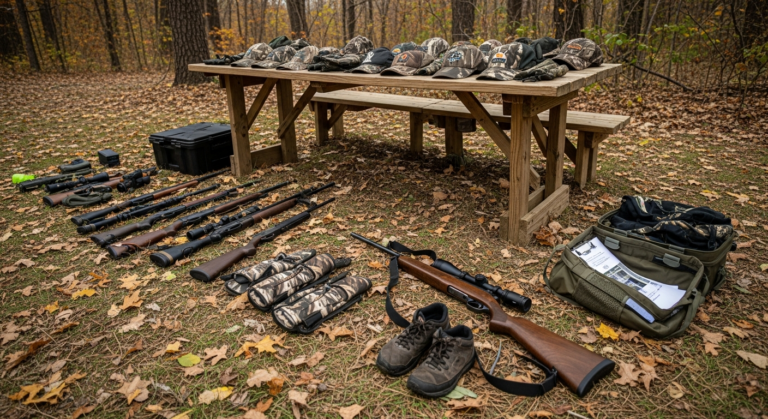
Equipping oneself for hunting does not necessarily require a substantial upfront investment, though the guide provides approximate costs for new equipment. For an entry-level rifle paired with a basic scope, hunters can expect to spend between $450 and $800. Those opting for a deer or small-game shotgun might budget $350 to $700. Archery enthusiasts considering a compound bow package are looking at costs ranging from $400 to $900. Beyond the primary weapon, essential clothing and footwear are critical. Broken-in, waterproof boots and layered non-cotton clothing can range from $200 to $400. Entry-level binoculars, vital for scouting and identification, typically cost $100 to $250. The guide also suggests exploring used or budget-friendly options for each category to reduce initial expenses.
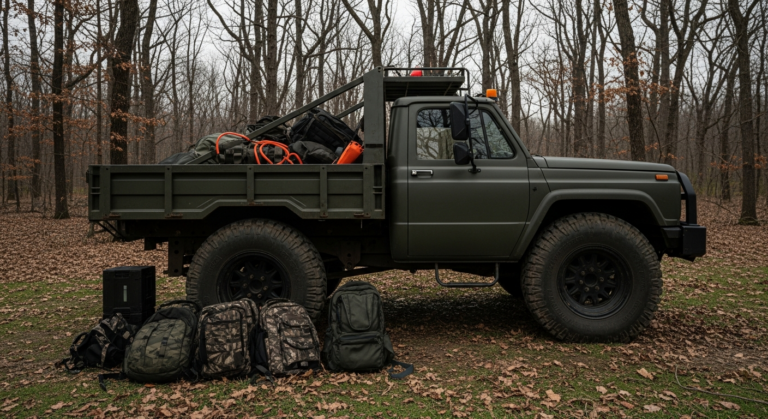
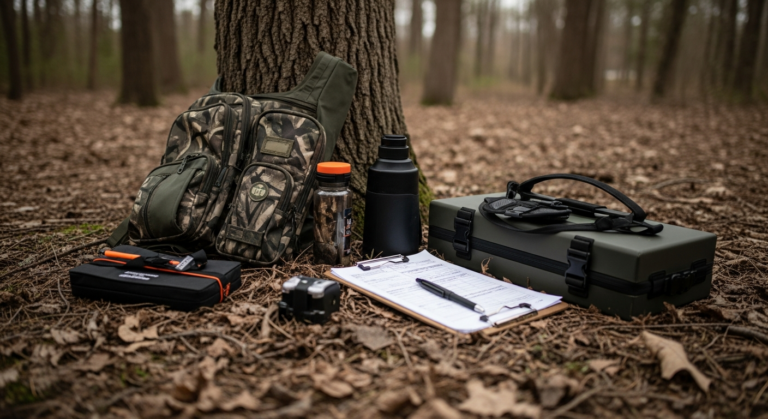
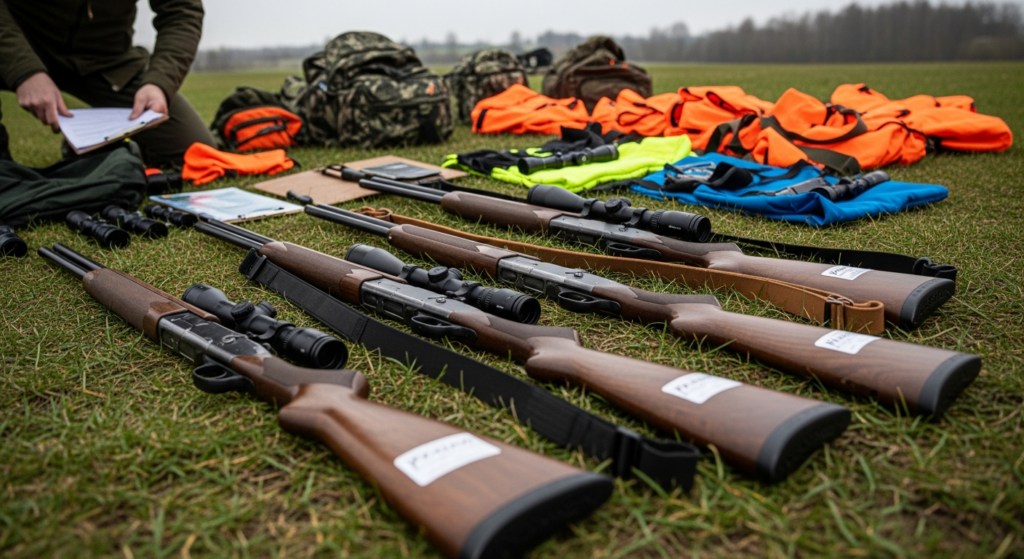
Regardless of cost, the core gear list includes the legal primary weapon with appropriate ammunition or arrows, a practice setup to ensure proficiency, and all required licenses and tags stored in a waterproof holder. Hunter orange, where mandated, is essential for visibility and safety. A day pack stocked with water, high-calorie snacks, a headlamp with extra batteries, a sharp knife, and a basic first-aid kit completes the recommended essentials for a day in the field.
Prioritizing Safety Protocols
Safety remains a non-negotiable aspect of hunting, and the guide dedicates significant attention to established protocols. For firearm users, four fundamental rules are underscored: always treat every firearm as if it were loaded, keep the muzzle pointed in a safe direction at all times, keep the trigger finger outside the trigger guard until ready to shoot, and always be certain of the target, what lies in front of it, and what is beyond it. These principles are designed to prevent accidental discharges and ensure responsible handling.
Hunters utilizing elevated positions, such as tree stands, face specific risks that require additional precautions. The guide strongly recommends the use of a full-body harness, a lineman’s belt, and a lifeline to prevent falls. Furthermore, all stands should be thoroughly inspected before each hunting season for structural integrity and wear. When ascending or descending, unloaded weapons should always be raised or lowered using a haul line, never carried while climbing. These measures are critical for preventing serious injury or fatality in elevated hunting scenarios.
Pre-Season Preparation and Scouting
Beyond equipment and safety, effective pre-season preparation is crucial for success. This includes securing legal hunting access, whether on public lands, such as those managed by state agencies, or private property with landowner permission. The guide advises hunters to research and understand public land regulations specific to their chosen hunting unit. For private land, obtaining explicit permission and understanding any specific rules set by the landowner is essential.
Scouting plays a vital role in understanding animal behavior and habitat. This involves studying maps, identifying potential game trails, bedding areas, and feeding locations, and looking for animal sign such as tracks, droppings, and rubs. Practicing with the chosen weapon is also paramount; proficiency with a rifle, shotgun, or bow ensures ethical shots and minimizes the chance of wounding an animal without recovery. The guide also encourages realistic expectations, acknowledging that successful hunts often require patience, persistence, and a deep understanding of the environment. Emergency planning, including carrying a communication device and understanding signs of hypothermia or heat illness, is also covered.
Post-Shot Procedures and Meat Care
The moments immediately following a shot are critical for ethical recovery. The guide advises hunters to carefully observe the hit location on the animal and its direction of travel. Marking the last known location where the animal was seen is a crucial first step. For animals that appear clearly heart- or lung-shot, a waiting period of approximately 15 to 30 minutes is often recommended before beginning to track, allowing the animal to expire and minimizing the risk of pushing it further. Tracking should be slow and methodical, following blood trails and other signs. If tracking becomes difficult or the trail is lost, seeking help from experienced trackers or a trained dog may be necessary.
Once the animal is recovered, immediate tagging is required by law in most jurisdictions. The guide stresses the importance of understanding and adhering to state-specific tagging and reporting requirements. Rapid cooling and cleaning of the meat are essential to preserve its quality. This includes field dressing the animal promptly. Finally, hunters must check state transport rules, particularly if traveling through or from chronic wasting disease (CWD) zones, which may have specific regulations regarding the movement of carcasses or certain parts.
Continuing Education and Mentorship
The journey of a hunter extends beyond a single season. The guide encourages continuous learning and skill development through various avenues. State wildlife agencies often provide resources and workshops, while local clubs and conservation groups offer opportunities for mentorship and shared knowledge. Engaging with experienced guides or mentors, and consistent practice at a shooting range, are all recommended for refining skills and staying informed about best practices and evolving regulations.
Why it matters in Aiken
For residents of Aiken and the surrounding Central Savannah River Area, understanding these hunting preparation guidelines is directly relevant to responsible outdoor recreation. Aiken County offers various opportunities for hunting, with public lands and private properties contributing to the region’s outdoor economy and conservation efforts. Adherence to safety protocols and ethical practices ensures the sustainability of wildlife populations and the continued access to natural resources within the Savannah River Basin and Edisto River Basin, which flow through the county. The University of South Carolina Aiken, while not directly involved in hunting education, contributes to the broader understanding of environmental stewardship and land management, underscoring the importance of informed participation in activities like hunting that interact with the natural landscape. By following established guidelines, hunters contribute to a safe environment for all outdoor enthusiasts and support the long-term health of local ecosystems.