Property owners across Aiken and the wider Central Savannah River Area are currently engaged in the critical annual cycle of home maintenance, a sustained effort to preserve property value and prevent costly repairs. This period often involves a strategic assessment of what tasks can be handled personally and when professional expertise is warranted, a balance that can significantly impact both budgets and long-term structural integrity.
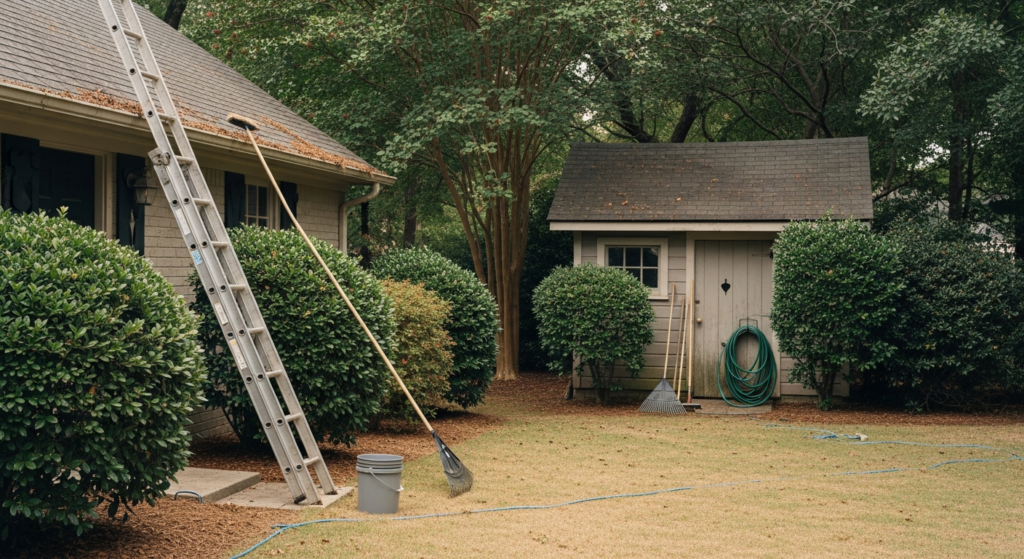
Effective gutter systems are fundamental to diverting rainwater away from a home’s foundation, a crucial defense against water damage. Inspections should meticulously check for loose or corroded components, any separation of the gutters from the house, and signs of ground erosion directly beneath downspouts. Debris accumulation, which can lead to overflows and slow water flow, is a common issue. Industry recommendations suggest that gutter systems, including guards, downspouts, and extensions, should direct water at least five feet away from the house to prevent foundation issues. While professional cleaning typically costs around $150, a thorough cleaning is advised every five years, even for homes equipped with gutter guards. The financial implications of neglecting gutters can be substantial, as demonstrated by Erin Heger and her husband, Steven, who encountered foundation flooding and a shattered window due to leaf-clogged gutters after a spring storm. They faced an initial estimate of $8,000 for a comprehensive no-clog gutter system, ultimately securing one for $3,800 in April 2020, utilizing their COVID-19 stimulus funds.
Roof integrity is another paramount concern for homeowners. Regular inspections should focus on identifying missing or loose shingles, which can compromise the roof’s protective barrier. Particular attention should be paid to seams and flashing, areas prone to leaks, and the seals around windows, chimneys, and other roof penetrations. Inside the attic, signs of missing insulation, discoloration, or mold can indicate underlying roof issues that require immediate attention. Addressing these problems proactively can prevent more extensive and expensive damage to the home’s interior.
Outdoor living spaces, such as decks, also demand careful scrutiny. Inspections should look for the presence of mold or mildew, which can degrade wood over time. Popped screws, loose boards, and soft or wobbling railings are indicators of structural instability and potential safety hazards. The connection point where the deck meets the house is particularly critical and should be checked for any signs of compromise or water intrusion.
Exterior painting and sealing are not merely aesthetic enhancements but vital protective measures for a home’s facade. For optimal adhesion and durability, exterior painting is typically recommended when ambient temperatures are consistently between 50 and 90 degrees Fahrenheit. Thorough preparation, including sanding, scraping, and filling, is essential for a lasting finish. A high-quality paint job can protect a home for up to 10 years. Deck sealants, however, have varying lifespans; clear sealants may require annual reapplication, while opaque solid stains can last three to five years, and semi-transparent stains typically need reapplication every two or three years.
Beyond major structural elements, a range of general summer maintenance tasks contribute to a home’s overall health and efficiency. This includes deep-cleaning gas grills once each season to ensure safe operation, running and repairing irrigation systems to maintain landscaping, and consistent weeding and mulching to control plant growth and retain soil moisture. Checking hoses and outdoor faucets for leaks can prevent water waste and potential damage. Washing windows and screens improves visibility and air quality. Inside the home, changing HVAC filters regularly is crucial for air quality and system efficiency, especially during the warmer months in Aiken. Clearing dryer vents reduces fire hazards, while washing range-hood filters and cleaning refrigerator coils improves appliance performance and longevity.
Attics and basements are often overlooked areas that play a significant role in a home’s energy efficiency and moisture control. Attics should be checked for missing insulation, unsealed access doors, and any holes that could allow air leakage. Gaps around ducts and light fixtures should be sealed with caulk to prevent conditioned air from escaping. In basements, managing moisture is paramount. A dehumidifier can help maintain humidity levels between 30% and 50%, mitigating the risk of mold and mildew growth. However, persistent moisture or the presence of mold may indicate a more serious issue requiring assessment by an HVAC professional. Additionally, failing caulking around sinks, showers, and tubs should be replaced with waterproof, mold-resistant caulking to prevent water penetration and subsequent damage.
Homeowners frequently weigh the trade-offs between undertaking maintenance tasks themselves and hiring professionals. This decision often hinges on a balance of available time, specific skill sets, and financial resources. Daniel Morgan of Virginia Beach, for instance, chose to demolish a fence on his own, then hired professionals for the installation of its replacement and for the opening of his swimming pool. He further balanced his efforts by paying a neighborhood teenager to power-wash concrete surfaces, before personally resealing the concrete. Such an approach highlights the flexibility many homeowners adopt in managing their property upkeep.
Why it matters in Aiken
The diligent approach to home maintenance outlined here holds particular significance for residents of Aiken. The city’s warm, humid summers place extra demands on HVAC systems and necessitate proactive measures against moisture intrusion, especially in older homes prevalent in the Downtown / Historic District. Neglecting issues like clogged gutters or inadequate attic insulation can lead to accelerated deterioration and higher utility bills, impacting the significant homeowner base that includes employees of major local institutions such as Savannah River Nuclear Solutions, Bridgestone Americas, and Aiken Regional Medical Centers. Proactive maintenance helps preserve the character and value of Aiken’s diverse housing stock, from historic properties to newer developments in neighborhoods like Woodside Plantation and Houndslake, contributing to the overall economic stability and aesthetic appeal of the community. Timely upkeep ensures that properties remain resilient against the elements and continue to be valuable assets for their owners in Aiken. This commitment to property care underpins the long-term health of the city’s residential landscape.