A new guide has been released outlining critical steps for individuals planning to participate in the 2026 hunting season, emphasizing preparation, safety, and adherence to regulations. The resource aims to equip new hunters with foundational knowledge before they enter the field, covering legal requirements, essential equipment, and ethical practices.
The guide stresses the importance of completing a state-approved hunter education course. These courses, which can be offered through traditional classroom instruction with a field day, online coursework paired with an in-person field day, or fully online for adults in some states, cover a broad curriculum. Topics typically include firearm or archery safety, principles of fair chase, wildlife identification, establishing safe zones of fire, wilderness survival techniques, basic first aid, and specific local regulations that apply to hunting in South Carolina. Beyond education, new hunters must acquire the correct hunting license and any species-specific tags required for their intended quarry. Securing legal hunting access, whether through public lands or private landowner permission, is also a prerequisite before the season’s opening day.
The guide highlights the variability in hunting regulations across jurisdictions. Licenses, permits, tags, and season dates are subject to change based on the state, specific game management unit, targeted species, and even the sex or age of the animal. Legal weapons, minimum calibers for firearms, or draw weights for archery equipment also differ. Bag limits, which dictate the maximum number of animals a hunter may take, and tagging or reporting requirements are crucial details that must be understood. For high-demand species or areas, some hunts operate on a draw or lottery system, requiring applicants to enter for a chance to receive a tag, while others are available over the counter. Hunters in Aiken County and the surrounding Central Savannah River Area (CSRA) must consult South Carolina Department of Natural Resources (SCDNR) regulations to ensure compliance.
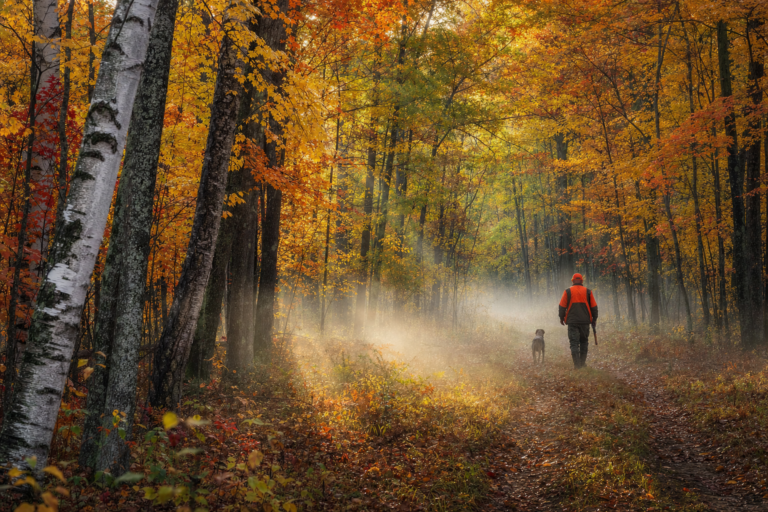
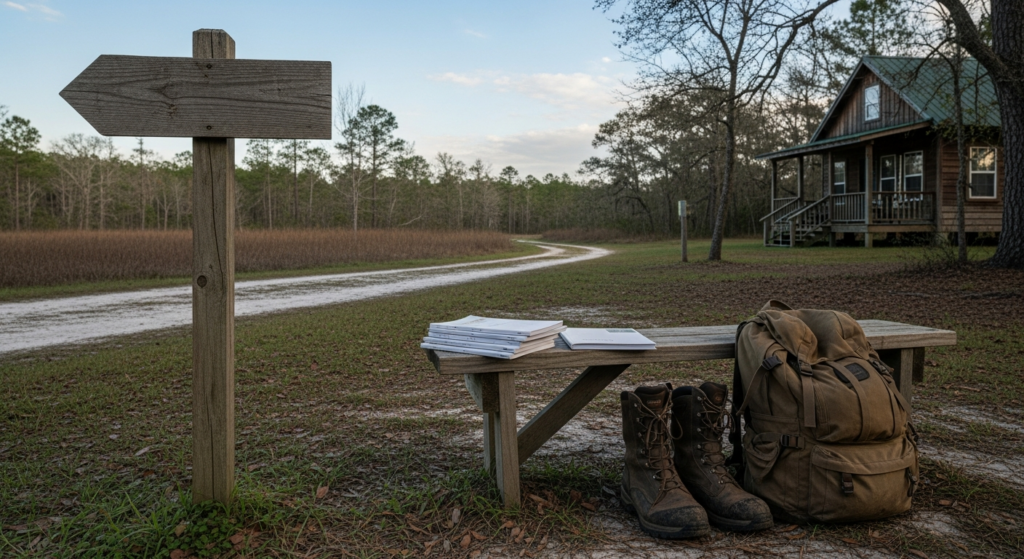
A core set of equipment is recommended for new hunters. This includes a legal primary weapon, such as a rifle, shotgun, or compound bow, along with appropriate ammunition or arrows. A practice setup for the chosen weapon is also advised to ensure proficiency. Hunters must carry their licenses and tags in a waterproof holder. Hunter orange clothing is often required in certain seasons or locations for visibility and safety. Broken-in waterproof boots and layered, non-cotton clothing are essential for comfort and protection in varying weather conditions. Other recommended items include binoculars for scouting, a day pack to carry essentials, sufficient water, high-calorie snacks, a headlamp with extra batteries, a sharp knife, and a basic first-aid kit.
The guide also provides approximate costs for new equipment. An entry-level rifle with a basic scope can range from $450 to $800. A shotgun suitable for deer or small game might cost between $350 and $700. For archery enthusiasts, a compound bow package typically falls between $400 and $900. Essential apparel, such as boots and basic clothing layers, represents an investment of $200 to $400. Entry-level binoculars are estimated at $100 to $250. The guide notes that used equipment or budget-friendly options can help mitigate these initial expenses.
Safety is a paramount concern addressed in the guide. For firearm users, four fundamental rules are emphasized: always treat every firearm as if it is loaded, keep the muzzle pointed in a safe direction, keep the trigger finger outside the trigger guard until ready to shoot, and positively identify the target, what is in front of it, and what is beyond it. Hunters utilizing elevated positions, such as tree stands, are advised to use a full-body harness, a lineman’s belt, and a lifeline. It is also critical to inspect all stands thoroughly before each season for structural integrity. Unloaded weapons should always be raised or lowered using a haul line, never carried while ascending or descending. These safety measures are vital for preventing accidents in the field, particularly in areas like Aiken County where hunting is a popular pastime.
The guide offers clear instructions for actions following a shot. Hunters should carefully observe the hit location and the animal’s direction of travel. Marking the last known location where the animal was seen is crucial for successful recovery. For animals that appear to be clearly heart- or lung-shot, waiting approximately 15 to 30 minutes before tracking can allow the animal to expire nearby, reducing the risk of pushing it further. Tracking should be done slowly and methodically. If necessary, hunters are encouraged to seek assistance from experienced trackers or fellow hunters. Once the animal is recovered, it must be tagged immediately according to state requirements. Prompt cooling and cleaning of the meat are essential for preservation. Finally, hunters must check state transport rules, especially if traveling through or from chronic wasting disease (CWD) zones, to ensure legal compliance.
Why it matters in Aiken
The comprehensive hunting guide serves as a vital resource for residents of Aiken and Aiken County who participate in or are considering taking up hunting. With access to various natural areas, including those near the Savannah River and the South Fork Edisto River, understanding state regulations and safety protocols is paramount for public safety and wildlife conservation. The Aiken County Sheriff’s Office often works with state agencies to ensure compliance with outdoor recreation laws, and well-informed hunters contribute to a safer environment for everyone. This guide’s emphasis on education and responsible practices directly supports the community’s commitment to safe outdoor activities and the sustainable management of local wildlife populations.