A comprehensive guide outlining essential safety measures for anglers has been released, emphasizing the heightened risks associated with fishing during the summer months in regions like Aiken and the broader Central Savannah River Area (CSRA). The resource addresses critical areas including sun protection, hydration, heat-related illnesses, equipment care, and emergency preparedness, aiming to mitigate potential hazards for those enjoying local waterways such as the Savannah River, Langley Pond, and Boyd Pond.
One of the primary concerns highlighted is sun exposure, particularly between 10 AM and 4 PM when the sun’s ultraviolet (UV) rays are at their strongest. The guide notes that water surfaces can reflect up to 15 percent of UV radiation, significantly increasing an angler’s exposure. To combat this, it recommends using a broad-spectrum sunscreen with an SPF of at least 30, and preferably SPF 50 or higher for extended periods on the water. Sunscreen should be applied 30 minutes before going outdoors and reapplied every two hours, or more frequently if an individual is sweating heavily or has been splashed.
Beyond sunscreen, protective clothing is crucial. The guide advises wearing lightweight, long-sleeved UPF-rated garments, which are designed to block UV radiation. Light-colored clothing is also recommended as it reflects sunlight rather than absorbing it. A wide-brimmed hat, providing at least 4 inches of coverage around the face and neck, is essential, as are polarized sunglasses offering 100 percent UV protection to shield eyes from both direct and reflected glare.
Hydration is another cornerstone of summer safety. Anglers are advised to drink at least 8 ounces of water every 15 to 20 minutes during active fishing. Preparatory hydration, beginning the night before a fishing trip, is also suggested. Beverages high in caffeine or alcohol should be avoided, as they can contribute to dehydration. Early signs of dehydration include thirst, dry mouth, decreased urination, and fatigue. More severe indicators, such as dizziness, a rapid heartbeat, and confusion, necessitate immediate attention.
The guide provides clear distinctions between heat exhaustion and heat stroke, along with appropriate responses. Warning signs for heat exhaustion include heavy sweating, general weakness, nausea, headache, and muscle cramps. If these symptoms appear, the affected person should be moved to a shaded area, have excess clothing removed, and be cooled with water. If conscious and able to swallow, they should be given cool fluids. Heat stroke, a more severe condition, is characterized by a body temperature above 103°F, an altered mental state, hot and dry skin (or sometimes profuse sweating), a rapid pulse, and potential unconsciousness. Heat stroke is a medical emergency requiring an immediate 911 call and aggressive cooling measures while awaiting professional help.
Strategic trip timing can significantly reduce heat exposure. The guide suggests fishing before sunrise or during the evening hours when ambient temperatures are lower. If fishing during peak heat, anglers should seek shade, target deeper waters, take frequent breaks, and opt for shorter sessions. Portable shade structures, such as bimini tops on boats or portable canopies, can offer respite, though umbrellas should be secured against windy conditions.
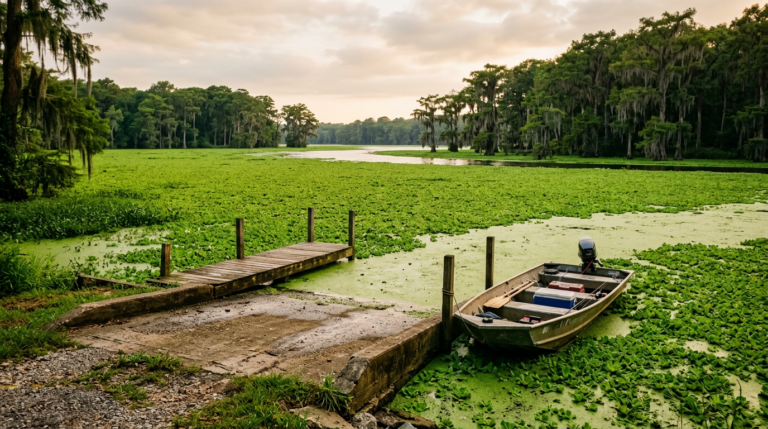
For those venturing onto the water in boats, specific precautions are vital. Before departure, boaters should check their engine cooling system and ensure all safety equipment is onboard and functional. Filing a float plan with a trusted individual, detailing the intended location and expected return time, is strongly recommended. Carrying extra water, with at least 1 gallon per person per day allocated for emergencies, along with other emergency supplies, is crucial. A VHF radio is also an important communication tool, especially in areas with unreliable cell service. A charged mobile phone in a waterproof case and, for remote areas, a personal locator beacon, further enhance safety.
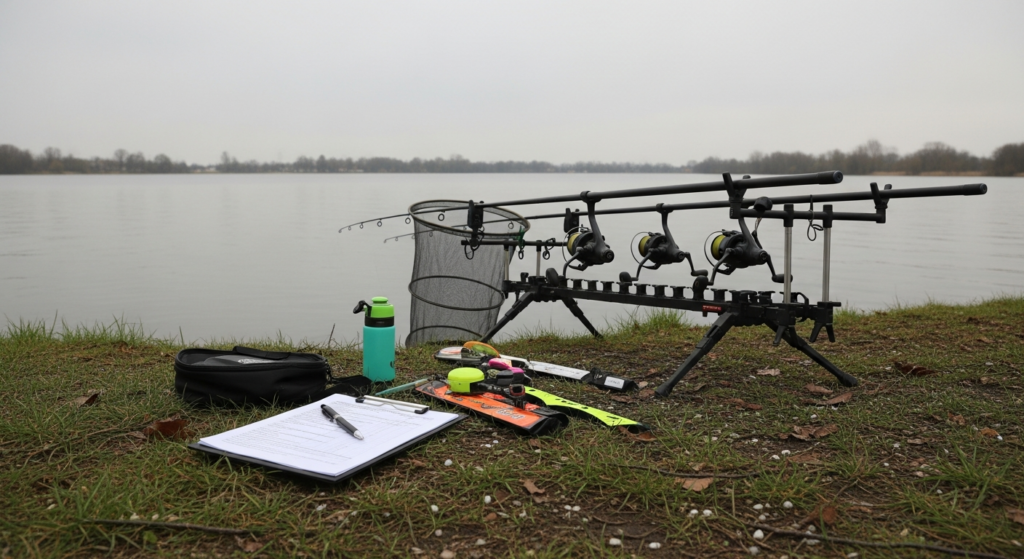
Summer heat and UV exposure can also take a toll on fishing gear. The guide warns that prolonged exposure can weaken rod guides and fishing line, and warp tackle boxes. To prevent this, equipment should be kept shaded whenever possible, and fishing line should be inspected and replaced more frequently than during cooler seasons.
Additional safety recommendations include carrying a well-stocked first-aid kit containing items like cooling towels, portable fans, instant cold packs, electrolyte packets, burn gel, and a thermometer. Practical advice for handling gear includes drying sweaty hands before managing hooks and using pliers or hook removers to minimize injury risk. Hooks should be stored in organized tackle boxes to prevent accidental punctures. The guide also offers tailored advice for different fishing environments: saltwater anglers should rinse skin and gear with fresh water; high-altitude anglers need increased sun protection due to thinner atmospheres; and urban anglers should plan for additional cooling strategies, acknowledging the limited shade and heat reflected by concrete and asphalt in areas of Aiken.
Knowing the location of nearby medical facilities and having emergency contacts readily available can prove invaluable in unforeseen circumstances.
Why it matters in Aiken
These safety guidelines are particularly relevant for Aiken, a community with a strong connection to outdoor recreation and numerous accessible fishing spots like Aiken State Park, Langley Pond Park, and various points along the Savannah River. With the persistent summer heat, the potential for heat-related illnesses and other emergencies increases for residents and visitors alike. Adhering to these precautions can help prevent serious health incidents, reducing potential strain on local emergency services and facilities like Aiken Regional Medical Centers. By promoting responsible and informed practices, the community can continue to enjoy Aiken’s natural resources safely throughout the warmer months, ensuring that recreational activities remain a benefit rather than a risk to public health and safety.