As summer fishing season continues across Aiken County and the wider Central Savannah River Area, a renewed emphasis is being placed on safety protocols for anglers. The guidance, which addresses hydration, sun protection, weather awareness, essential gear, and responsible fish handling, aims to mitigate risks associated with the region’s warm weather and active outdoor pursuits.
Hydration is paramount for anyone spending extended periods outdoors, particularly when fishing on bodies of water such as the Savannah River or Langley Pond. The recommendations advise starting the day well-hydrated and consuming water regularly, even without feeling thirsty. A minimum of eight glasses daily is suggested, with increased intake during heavy sweating. Anglers are encouraged to carry large, insulated water bottles and consider electrolyte drinks or tablets to replenish essential minerals. The guide specifically cautions against caffeine and alcohol, which can contribute to dehydration, and recommends incorporating water-rich fruits and vegetables into one’s diet.
Protection from the sun’s intense ultraviolet (UV) rays is another critical component of summer safety. Anglers are advised to apply broad-spectrum sunscreen with an SPF of at least 30 to all exposed skin 15 to 30 minutes before going outside. Reapplication every two hours is recommended, or more frequently if sweating heavily or after contact with water. The period between 10 AM and 4 PM is identified as when the sun’s rays are strongest, making extra vigilance during these hours particularly important.
Appropriate clothing offers a significant layer of defense against both sun and heat. Lightweight, loose-fitting, and light-colored garments made from breathable or moisture-wicking fabrics are highly recommended. UV-protective clothing, long sleeves, and long pants can provide additional coverage. A wide-brimmed hat, UV-protective sunglasses, and a buff or neck gaiter are also suggested to protect the head, face, and neck. For those who might wade in shallow waters, such as along the banks of Horse Creek or the South Fork Edisto River, footwear that offers good grip and support, like water shoes, is advised.
Understanding and responding to the symptoms of heat exhaustion is crucial. Anglers should be aware of signs such as heavy sweating, weakness, dizziness, nausea, headache, and muscle cramps. If these symptoms appear, immediate action is necessary: moving to a shaded area or air conditioning, slowly drinking cool water or an electrolyte solution, applying cool wet cloths to the skin, and loosening or removing unnecessary layers of clothing. A cool shower or bath can also help lower body temperature.
Weather awareness is a non-negotiable aspect of safe fishing. Before heading out to spots like Boyd Pond or Cabin Lake in Aiken State Park, anglers should thoroughly check local weather forecasts, heat advisories, and severe-weather alerts. It is also important to monitor for sudden weather changes while on the water and to consult tide charts for river fishing and river conditions. Utilizing a weather radio or a smartphone application with real-time alerts can provide timely updates. Planning trips for the early morning or late afternoon can help avoid the most intense heat of the day, and using a buddy system ensures that someone is aware of an angler’s whereabouts and can assist in an emergency.
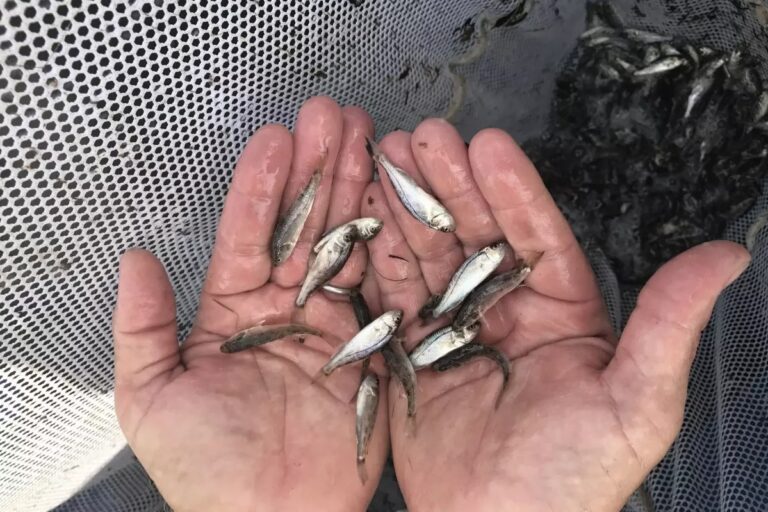
Beyond personal safety, responsible fishing practices are emphasized to preserve the ecological health of the region’s waterways. The guide recommends using barbless hooks or crimping hook barbs to minimize injury to fish. When handling fish, wetting hands beforehand is advised to protect their protective slime coat. Anglers should avoid touching gills and eyes, support the fish’s entire body, and limit the time it spends out of the water. Using a landing net can facilitate easier and safer handling. For those wishing to photograph their catch, preparing cameras in advance helps reduce the fish’s time out of water. Adhering to catch limits and seasonal restrictions, as well as practicing catch-and-release when possible—especially for larger, breeding-age fish—contributes to sustainable fisheries in Aiken and surrounding areas.
Why it matters in Aiken
The widespread adoption of these fishing safety guidelines directly impacts the well-being of residents and visitors who frequent Aiken County’s numerous lakes and rivers, including popular spots like Langley Pond and the Savannah River. With Aiken Regional Medical Centers serving as a primary healthcare provider in the area, a reduction in heat-related illnesses or fishing accidents means fewer demands on emergency services and medical staff during the busy summer months. Furthermore, responsible fishing practices ensure the long-term health of aquatic ecosystems, supporting recreational opportunities and local tourism that benefit businesses along corridors like Whiskey Road and in Downtown Aiken. These measures contribute to a safer, more sustainable outdoor environment for all who enjoy the natural resources of Aiken.