The official death toll from the twin earthquakes that struck Venezuela on June 24 has risen to 4,490, according to an update issued on July 12. The number of injured individuals remains at 16,740 following the seismic events that devastated parts of the country.
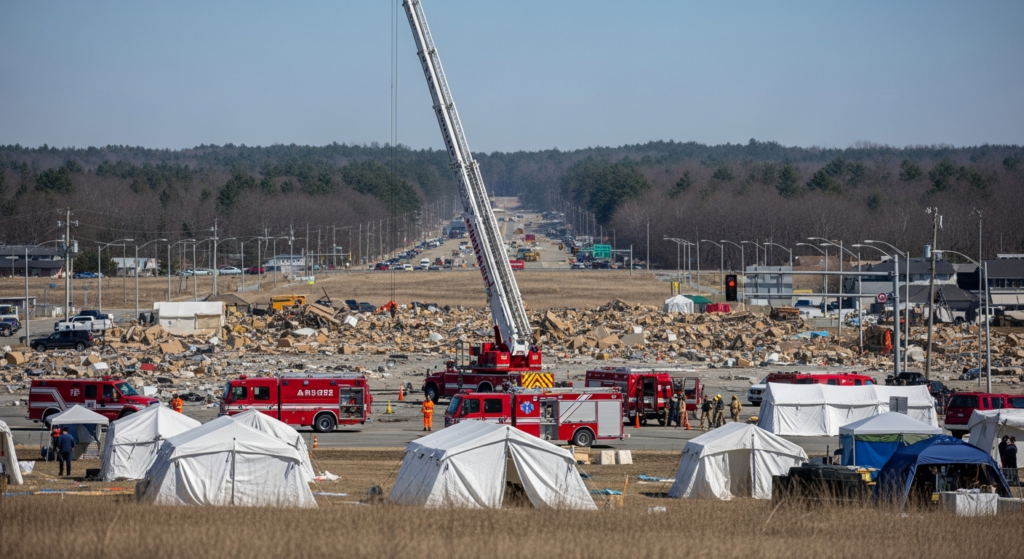
Since the initial tremors, rescue operations have been ongoing, with emergency teams working to locate survivors and provide aid. Temporary camps and shelters have been established to house those displaced by the disaster, as aftershocks continue to complicate recovery efforts.
Earlier in the week, reports detailed the rising official toll, the widespread displacement of residents, and the critical need for continued recovery operations. The focus remains on providing humanitarian assistance and managing the aftermath of the catastrophe, which has left thousands without homes and basic necessities. The situation in Venezuela highlights the immense challenges associated with large-scale natural disasters and the sustained effort required for long-term recovery.
### Why it matters in Aiken
The ongoing humanitarian crisis in Venezuela, while geographically distant, resonates within communities like Aiken through the broader lens of global events and human welfare. Residents of Aiken, many of whom are employed by internationally connected entities such as Savannah River Nuclear Solutions or Rolls-Royce Solutions America, are often attuned to global developments that can influence international stability and human well-being. Educational institutions in Aiken, including the University of South Carolina Aiken, also serve as hubs for discussing international news and humanitarian crises, fostering a broader understanding of global interconnectedness. The rising death toll from the Venezuelan earthquakes serves as a stark reminder of the widespread impact of natural disasters and the universal need for robust disaster response and recovery efforts, even as the community of Aiken focuses on its local priorities.