Meta Platforms is set to commence manufacturing an in-house artificial intelligence chip in September, a strategic move that highlights the escalating global competition in AI development and the substantial infrastructure required to support it. This initiative is part of Meta’s broader program to develop its own training and inference accelerators, aiming to augment existing Graphics Processing Units (GPUs) and significantly expand its computing capacity.
The company’s ambitious target to reach 14 gigawatts of computing capacity by 2027 represents a monumental investment in AI infrastructure. This scale of energy demand and technological development signals a profound shift in the tech landscape, with ripple effects expected across various sectors, including specialized technology suppliers, energy utilities, and the burgeoning market for data center sites.
For the Central Savannah River Area (CSRA), including Aiken and its surrounding counties, these global trends carry distinct potential implications. The region, known for its industrial base and significant energy infrastructure anchored by the Savannah River Site, is keenly attuned to developments that could influence its economic and technological trajectory.
The push for proprietary AI chips by major tech firms like Meta reflects a broader industry trend toward optimizing hardware for specific AI workloads. This vertical integration aims to enhance performance, reduce operational costs, and secure supply chains in an increasingly competitive environment. While Meta’s manufacturing operations are not slated for the CSRA, the demand for components, specialized services, and a skilled workforce within the AI ecosystem could create opportunities for regional businesses and talent pools.
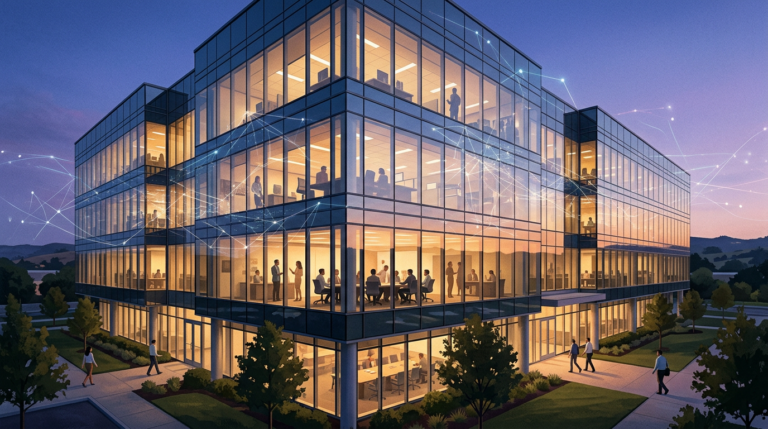
Local technology employers and suppliers in Aiken County could find themselves navigating an evolving market. Companies involved in advanced manufacturing, precision engineering, or IT services may see new avenues for growth as the AI infrastructure buildout intensifies. The need for robust, high-performance computing components and systems extends beyond the direct chip fabrication, encompassing everything from cooling solutions to networking hardware.
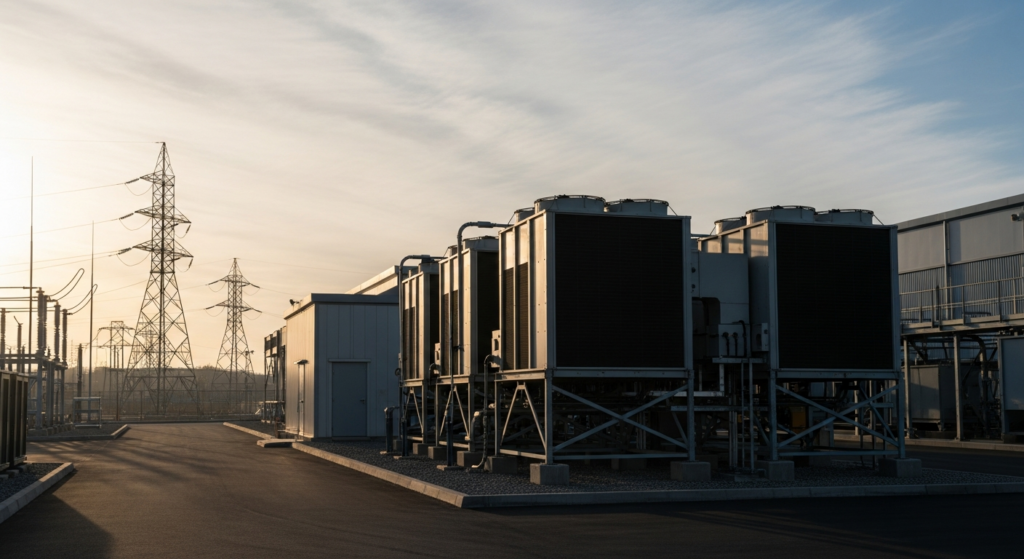
Perhaps one of the most significant local considerations stemming from Meta’s 14-gigawatt target is the immense demand for electrical power. Such a requirement places considerable pressure on energy grids and utility providers. The CSRA, with its existing energy generation and transmission capabilities, including those supporting the Savannah River Site, could become an increasingly attractive location for energy-intensive operations like large-scale data centers. The availability of reliable, high-capacity power is a critical factor for companies seeking to establish the physical backbone of AI operations.
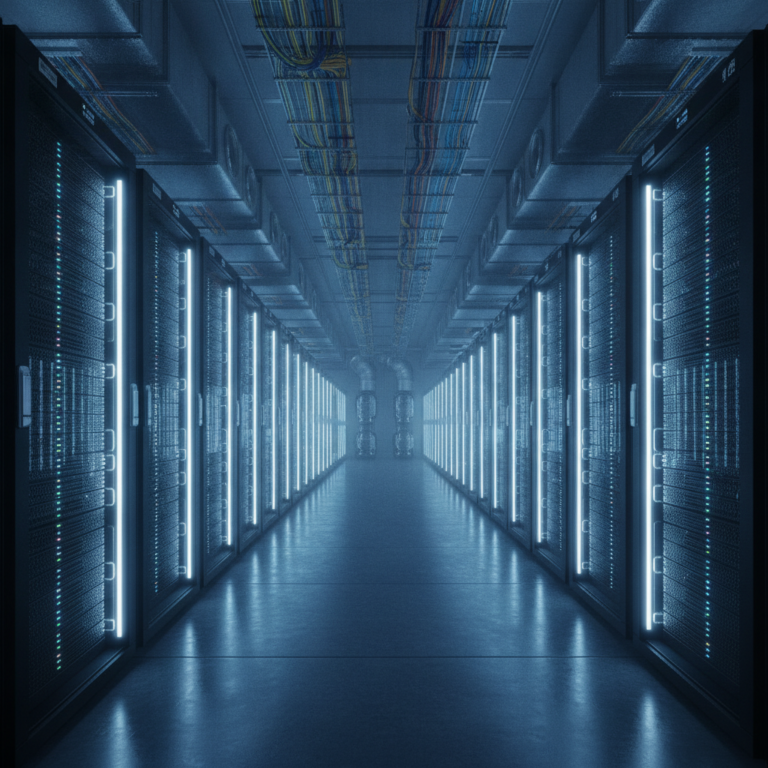
The expansion of AI computing capacity also underscores the growing importance of data center sites. These facilities are the physical homes for the servers and networking equipment that power AI. As demand for AI processing grows, so does the need for strategically located data centers with access to abundant power, fiber optic connectivity, and suitable land. Aiken and its proximity to major transportation corridors and existing industrial zones could position it as a contender for future data center investments, even if not directly tied to Meta’s immediate plans.
Educational institutions within the region, such as the University of South Carolina Aiken and Aiken Technical College, play a crucial role in preparing the workforce for these technological shifts. The increasing demand for skills in data science, artificial intelligence, cybersecurity, and advanced computing could influence curriculum development and training programs, ensuring that local graduates are equipped to contribute to an AI-driven economy. These institutions are vital in fostering a talent pipeline that can support both existing industries and potential new tech ventures attracted by the region’s infrastructure.
The broader context of business spending in AI infrastructure suggests a sustained period of investment and innovation. This economic activity, while global in scope, often translates into regional opportunities through supply chain demands, workforce development, and the need for specialized services. Companies in the Aiken area that can adapt to these emerging needs may find themselves well-positioned for growth in the coming years.
### Why it matters in Aiken
Meta’s aggressive push into in-house AI chip manufacturing and its colossal computing capacity goals underscore a global technological transformation that has tangible implications for Aiken and the broader CSRA. The demand for 14 gigawatts of power by 2027, though not directly tied to a local Meta facility, highlights the escalating energy needs of the AI industry. This trend could significantly influence regional utility planning and infrastructure investments, potentially making areas like Aiken County, with its established industrial power grid and proximity to the Savannah River Site, more attractive for future data center development. Furthermore, institutions like the University of South Carolina Aiken will be instrumental in cultivating the skilled workforce necessary to support an economy increasingly shaped by artificial intelligence, ensuring that local talent can meet the demands of evolving technology employers and suppliers in the region.