The sustained high temperatures characteristic of summer in Aiken and the broader Central Savannah River Area (CSRA) underscore the importance of understanding how certain medications can affect the body’s ability to regulate heat. For many, daily routines and participation in outdoor events require a proactive approach to hydration, symptom awareness, and consultation with healthcare providers.
Medications can influence the body’s thermoregulation through various mechanisms. Some drugs may reduce the body’s capacity to sweat, which is a primary cooling method. Others can increase fluid loss, leading to dehydration, or alter cardiovascular responses crucial for dissipating heat. Recognizing these potential interactions is a key component of maintaining health during the warmer months.
Common Medications and Heat Sensitivity
Several classes of medications are known to affect how the body handles heat. Diuretics, often prescribed for high blood pressure or heart failure, increase urine output, which can lead to rapid fluid loss and dehydration if not adequately managed. This effect is particularly pronounced when combined with increased sweating from heat exposure.
Anticholinergic medications, found in some antihistamines, antidepressants, and drugs for overactive bladder, can inhibit sweating. By blocking the nerve signals that stimulate sweat glands, these drugs can prevent the body from cooling itself effectively, raising the risk of heat exhaustion or heatstroke. Similarly, certain antipsychotics and tricyclic antidepressants can interfere with the brain’s temperature-regulating center.
Beta-blockers, used for heart conditions and high blood pressure, can reduce the heart’s ability to increase its rate and output. While this is beneficial for cardiovascular health in many contexts, it can hinder the body’s natural response to heat stress, which typically involves increasing blood flow to the skin to release heat. Stimulant medications, such as those prescribed for Attention-Deficit/Hyperactivity Disorder (ADHD), can directly increase metabolic rate and body temperature, adding to the heat burden.
It is crucial for individuals taking any prescription or over-the-counter medication to discuss potential heat-related side effects with their doctor or pharmacist. Healthcare providers at facilities like Aiken Regional Medical Centers can offer personalized advice based on an individual’s specific health profile and medication regimen.
The Role of Hydration
Adequate hydration is paramount for everyone during summer, but especially for those on medications that affect fluid balance or thermoregulation. Water is the most effective fluid for rehydration. Beverages containing excessive sugar, caffeine, or alcohol can exacerbate dehydration and should be consumed sparingly, if at all, during periods of high heat exposure. Symptoms of dehydration can include increased thirst, dry mouth, fatigue, dizziness, and reduced urination.
Planning for Summer Activities in Aiken
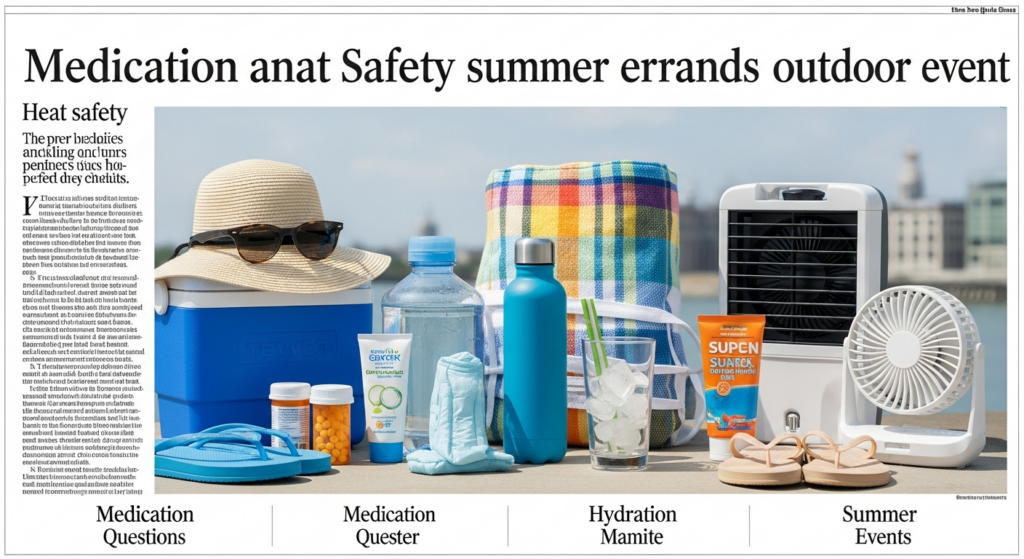
For residents of Aiken, planning daily errands and outdoor activities requires consideration of the heat. Scheduling outdoor tasks, such as gardening or walking in Hitchcock Woods or Citizens Park, during the cooler parts of the day—early morning or late evening—can significantly reduce heat exposure. When venturing out, wearing lightweight, light-colored, loose-fitting clothing and a wide-brimmed hat can also provide protection.
During prolonged outdoor events or activities at places like Langley Pond Park or Aiken State Park, it is advisable to take frequent breaks in shaded or air-conditioned areas. Carrying a personal supply of water and drinking regularly, even before feeling thirsty, is a simple yet effective strategy. Confirming event rules regarding personal water bottles or the availability of hydration stations can also be beneficial.
For those who must spend time outdoors for work or other obligations in Aiken County, understanding the signs of heat illness and having a plan for seeking relief are essential. This includes knowing where public air-conditioned spaces or designated cooling centers might be available in the Downtown Aiken area or other neighborhoods.
Recognizing and Responding to Heat Illness
Being able to identify the symptoms of heat-related illness is critical. Heat exhaustion can manifest as heavy sweating, weakness, cold and clammy skin, nausea, muscle cramps, and dizziness. If these symptoms occur, moving to a cool place, lying down, and slowly sipping water or a sports drink can help. Loosening clothing and applying cool, wet cloths to the skin can also provide relief.
Heatstroke is a medical emergency requiring immediate attention. Symptoms include a high body temperature (103°F or higher), hot, red, dry or damp skin, a throbbing headache, confusion, slurred speech, and loss of consciousness. In such cases, calling 911 immediately is imperative. While waiting for emergency services, efforts should be made to cool the individual rapidly, such as moving them to a cooler environment and applying ice packs to the armpits, groin, and neck.
Why it matters in Aiken
The confluence of summer heat and medication use poses a tangible public health consideration for the Aiken community. Local healthcare providers, including those at Aiken Regional Medical Centers, often see an increase in heat-related illnesses during the summer months. Understanding medication interactions can reduce the burden on emergency services and hospital resources. For families with children attending summer programs through the Aiken County Public School District or individuals working at major employers like Savannah River Nuclear Solutions, proactive heat safety measures are not just personal health choices but contribute to the overall well-being and operational continuity of the community. Ensuring residents are informed about these risks and how to mitigate them helps maintain public health and safety across Aiken’s neighborhoods and public spaces throughout the summer.