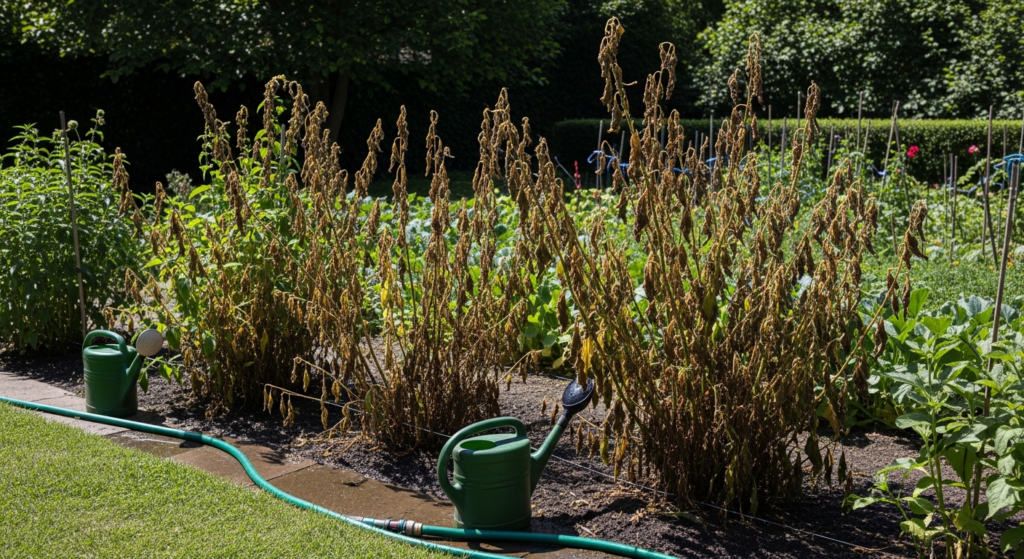
Gardeners across Aiken and the wider Central Savannah River Area are refining their routines to mitigate the effects of sustained summer heat on their plants. Current horticultural guidance centers on strategic watering practices and proactive measures to identify and alleviate plant stress, ensuring local landscapes remain resilient through the warmest months.
The primary recommendation for watering involves timing. Experts suggest irrigating plants in the early morning hours, ideally before 8 a.m., when temperatures are cooler and evaporation rates are at their lowest. This allows water to penetrate the soil deeply and be absorbed by roots before the sun’s intensity increases. A secondary option is late evening, after the sun has set, though this carries a slight risk of fungal issues if foliage remains wet overnight. Watering during the hottest parts of the day, typically between 10 a.m. and 4 p.m., is largely inefficient due to rapid evaporation and can even scorch leaves if water droplets act as magnifiers.
Beyond timing, the quantity and method of watering are also critical. Deep, infrequent watering is generally more beneficial than shallow, frequent watering. This encourages roots to grow deeper into the soil, making plants more drought-tolerant. Gardeners in Aiken are advised to check soil moisture levels before watering, either by hand or with a moisture meter, to avoid overwatering, which can be as detrimental as underwatering.
Plant stress, a common challenge during periods of high heat, manifests in various ways. Wilting leaves, yellowing foliage, stunted growth, and increased susceptibility to pests are all indicators that a plant may be struggling. Monitoring plants daily for these signs allows for timely intervention. Strategies to reduce stress include providing temporary shade for sensitive plants, applying mulch to retain soil moisture and regulate soil temperature, and avoiding heavy fertilization, which can stimulate new growth that is more vulnerable to heat.
July outdoor-care tasks, while still necessary, require careful consideration of the prevailing conditions. Light pruning to remove dead or diseased branches can be done, but extensive pruning should be postponed until cooler weather to avoid stressing the plant further. Weeding remains important, as weeds compete with cultivated plants for water and nutrients. However, gardeners are cautioned against undertaking strenuous tasks during peak heat, prioritizing their own well-being alongside that of their plants. Maintaining garden tools and irrigation systems is also a key heat-related maintenance reminder, ensuring they function efficiently when needed most.
### Why it matters in Aiken
The effective management of gardens and landscapes is a visible aspect of life in Aiken, contributing to the city’s aesthetic appeal and the quality of life in neighborhoods like Woodside Plantation and the Historic District. The guidance on watering and plant stress directly impacts homeowners and property managers striving to maintain healthy, vibrant outdoor spaces. With the University of South Carolina Aiken’s campus and various public parks also requiring diligent care, these practices are crucial for preserving the green infrastructure that defines much of the Aiken experience. Adhering to these principles helps conserve water resources while ensuring that the city’s characteristic beauty endures through the summer months, reflecting a commitment to both environmental stewardship and community pride.