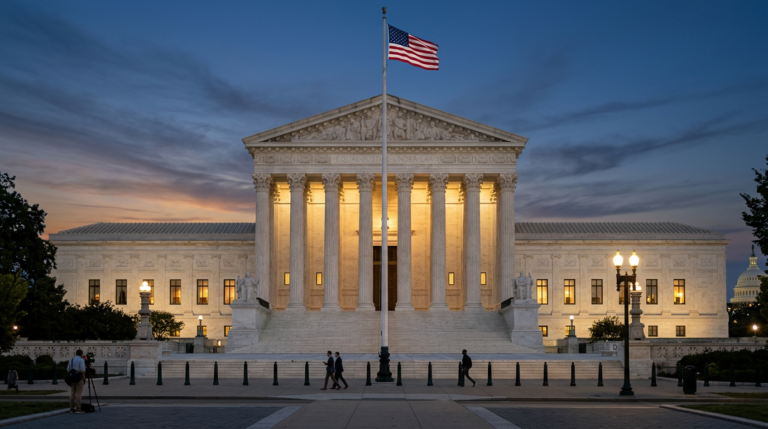
Supreme Court Justices Elena Kagan and Amy Coney Barrett were scheduled to appear before a congressional panel this week, a notable public hearing focused on the federal judiciary’s budget and security requirements. Such an appearance by sitting Supreme Court justices before Congress, particularly concerning administrative and financial matters, is considered a rare event, underscoring the current focus on the operational needs of the nation’s highest court.
The testimony by Justices Kagan and Barrett offers a window into the challenges and priorities facing the judicial branch. While the specifics of their requests were not immediately detailed, the general scope of such hearings typically covers funding for court operations, personnel, technology, and, increasingly, the physical and digital security of judges and court facilities. The federal judiciary, as an independent branch of government, relies on congressional appropriations to fulfill its constitutional duties, from resolving disputes to interpreting laws that affect every aspect of American life.
The rarity of two justices engaging directly with lawmakers on these administrative issues highlights a period of heightened attention on the Supreme Court’s functioning. Historically, the Chief Justice often represents the judiciary in such matters, making the joint appearance by Justices Kagan and Barrett particularly significant. Their presence before the panel signals a collective emphasis from within the Court on ensuring adequate resources and protection for the entire federal judicial system.
Discussions around judicial security have gained prominence in recent years, reflecting broader concerns about the safety of public officials. Ensuring the security of federal judges, their staff, and courthouses is paramount to maintaining the integrity and independence of the judicial process. A well-protected judiciary is better able to carry out its functions without undue external pressure or threat, a principle fundamental to the rule of law.
The federal budget process, which includes allocations for the Supreme Court and the wider federal judiciary, is a complex annual undertaking. These hearings provide an opportunity for the judicial branch to articulate its needs directly to the legislative branch, advocating for the resources deemed essential for its effective operation. The dialogue between the justices and the congressional panel is a critical component of the checks and balances inherent in the U.S. governmental structure, ensuring that each branch has the necessary means to perform its duties.
### Why it matters in Aiken
The proceedings in Washington, D.C., while focused on the federal judiciary, have a ripple effect on the legal landscape across the nation, including in Aiken. The stability and security of the federal court system underpin the broader legal framework within which local and state courts operate. Officials in Aiken County, such as Solicitor Bill Weeks and Clerk of Court Robert J. Harte, navigate a legal environment that is ultimately shaped by federal precedents and the overall health of the nation’s judiciary. A robust and well-resourced federal court system ensures the consistent application of justice, which benefits all citizens, including those in Aiken, by upholding the principles of law and order that are vital for community function and economic stability.