The escalating global demand for specialized memory chips, driven by the rapid expansion of artificial intelligence infrastructure, is beginning to exert pressure on the supply chain for consumer electronics. This shift in the technology landscape is leading to tighter availability and potentially higher prices for a range of devices, from personal computers and gaming consoles to smartphones and other gadgets used daily by residents in Aiken.
Industry analysts and technology outlets have widely reported on the intense competition for high-bandwidth memory (HBM) and other advanced semiconductor components crucial for training and operating sophisticated AI models. These models, often housed in large data centers, require immense processing power and vast amounts of memory to handle complex computations and data sets. The scale of this demand is unprecedented, prompting chip manufacturers to prioritize production of these high-margin components.
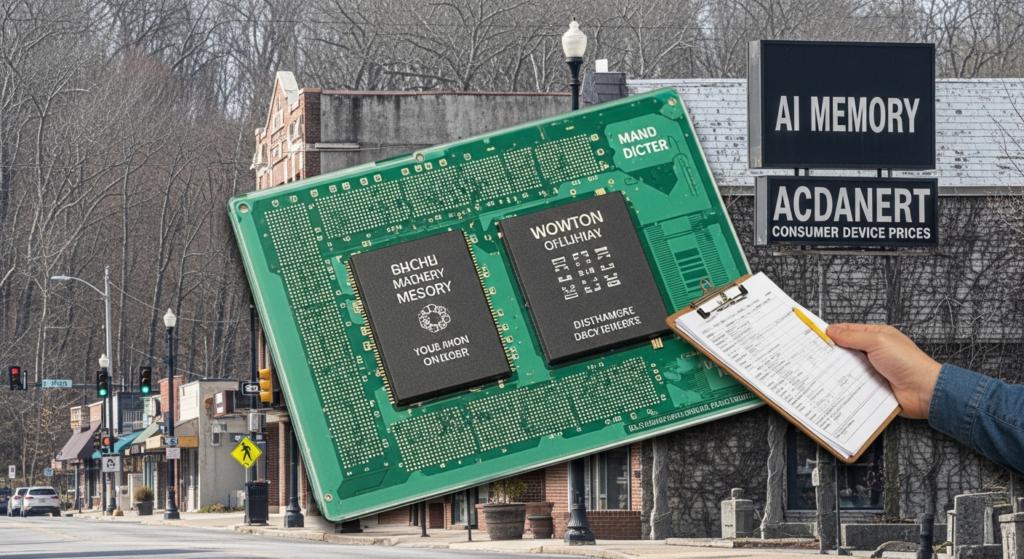
This strategic pivot by semiconductor companies has a direct ripple effect on the broader electronics market. As manufacturing capacity and resources are increasingly allocated to AI-specific memory, the supply of more common memory types—such as DRAM (Dynamic Random-Access Memory) and NAND flash storage—used in consumer-grade devices becomes constrained. This tightening of supply naturally leads to upward pressure on component costs, which manufacturers of consumer electronics may pass on to buyers.
Consumers in Aiken and elsewhere may begin to observe these market dynamics in the form of increased retail prices for new laptops, desktop computers, and even next-generation gaming consoles. The cost of upgrading existing devices or purchasing new ones could rise, impacting household budgets and purchasing decisions. While specific local price guarantees cannot be made, the overarching trend indicates a period of potential cost escalation for technology products that rely heavily on memory and storage components.
This situation highlights the interconnectedness of the global technology supply chain. Even as AI advancements promise new capabilities, their foundational hardware requirements are reshaping the economics of the consumer electronics market. For businesses and educational institutions in Aiken, such as the University of South Carolina Aiken, which regularly procure and utilize a wide array of computing devices, these market shifts could influence budgeting and procurement strategies in the coming months.
### Why it matters in Aiken
The ripple effects of global AI memory demand extend directly to households and institutions within Aiken. For students at the University of South Carolina Aiken, or employees at major employers like Savannah River Nuclear Solutions and Aiken Regional Medical Centers, access to affordable, high-performance computing devices is often essential for work, education, and daily life. Should the cost of laptops, tablets, or gaming consoles rise significantly, it could impact personal budgets and the ability of local organizations to equip their staff and students with the necessary tools. The economic pressures originating from the high-tech sector’s focus on AI underscore how global technological shifts can have tangible, localized consequences for consumer spending and institutional planning in Aiken.