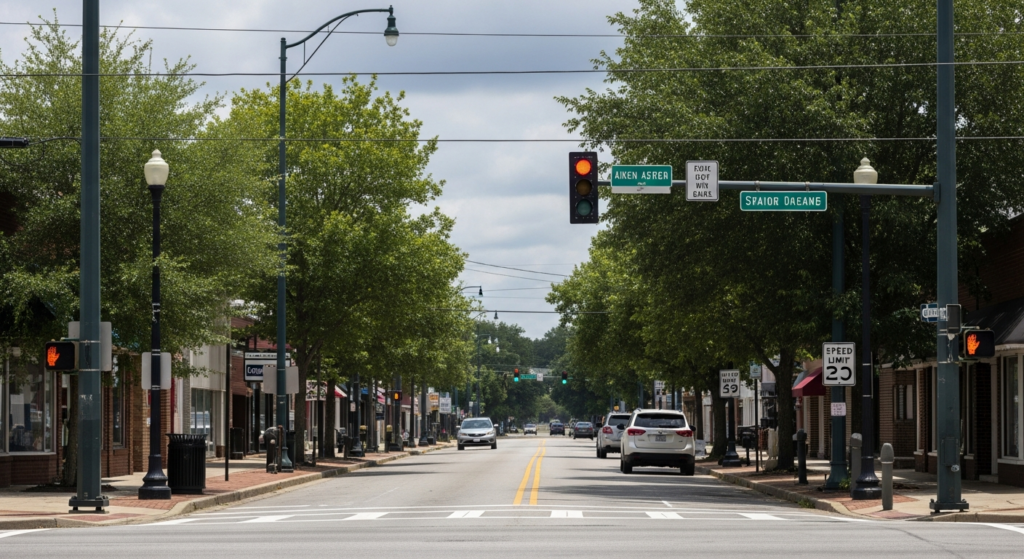
The Eastern U.S. heat wave, which brought dangerous conditions and the potential for severe weather over the extended July Fourth holiday weekend, is now entering its final phase. Residents across the region, including Aiken and the broader Central Savannah River Area (CSRA), have experienced elevated temperatures and humidity.
The prolonged period of extreme heat has been a concern for public safety across central and eastern states. While specific local disruptions in Aiken County related to power outages or event cancellations were not widely reported, authorities across the affected areas had issued warnings regarding the strain on power grids and the risk of heat-related illnesses.
Forecasters indicated that the lingering heat could fuel additional storm activity as the system dissipates. This potential for severe weather, including thunderstorms and heavy rainfall, adds another layer of consideration for those returning from holiday travel or engaging in outdoor activities in the Aiken area.
The impact of such widespread weather events often extends to various sectors. Businesses with outdoor workers, for instance, typically implement modified schedules or increased hydration protocols during periods of high heat. Pet owners are also generally advised to limit animals’ exposure to hot pavement and direct sun.
The University of South Carolina Aiken, a key institution in the city, would typically monitor such conditions to ensure the safety of any summer campus activities or facilities, though no specific advisories were issued for this particular period in the provided information. Similarly, local healthcare providers like Aiken Regional Medical Centers remain prepared for potential increases in heat-related emergency visits during prolonged heat events.
### Why it matters in Aiken
The conclusion of this regional heat wave carries implications for Aiken, particularly concerning public health and infrastructure. While no specific local cooling centers or widespread power outages were reported in Aiken County during this period, the general advisories underscore the importance of preparedness for future extreme weather events. Institutions like Aiken Regional Medical Centers are always on alert for heat-related illnesses, and the city’s infrastructure, including its power grid, is continuously managed to withstand environmental stressors. The experience serves as a reminder of how broader weather patterns can affect daily life and public services in Aiken, even when direct impacts are mitigated.