The arrival of July brings with it the potential for significant heat, prompting a focus on protective measures for outdoor plants and cultivated spaces. Gardeners and homeowners in Aiken are preparing for conditions that can stress everything from established garden beds to delicate container arrangements on patios. Experts in horticultural care emphasize several practical strategies to mitigate the impact of prolonged high temperatures.
One of the most critical aspects of plant care during a heatwave is effective watering. Deep and infrequent watering is generally more beneficial than shallow, frequent applications. This encourages roots to grow deeper into the soil, where moisture is more stable and less prone to rapid evaporation. The optimal time for watering is early morning or late evening, when temperatures are cooler, reducing water loss to evaporation and allowing plants to absorb moisture before the midday sun intensifies. Watering during the hottest parts of the day can be inefficient and, in some cases, can scorch leaves if water droplets act as magnifying lenses. For garden beds in Aiken, ensuring consistent moisture without over-saturating the soil is key to plant resilience.
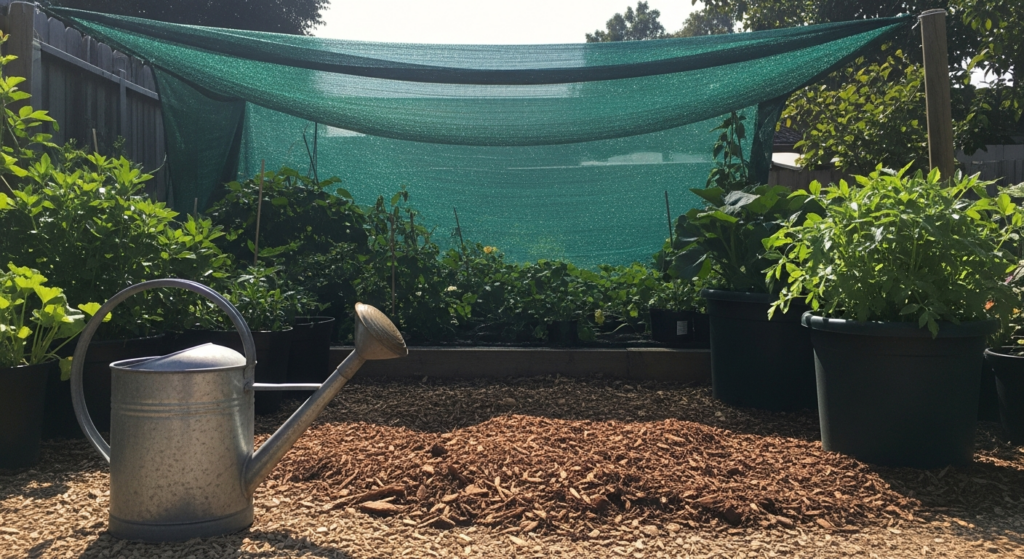
Shade and mulch play a pivotal role in protecting plants from excessive heat and conserving soil moisture. Applying a layer of organic mulch, such as pine straw, wood chips, or compost, around plants in garden beds can significantly reduce soil temperature fluctuations and slow down evaporation. This helps maintain a more stable root environment. For plants particularly susceptible to direct sunlight, temporary shade structures can be erected. This might involve using shade cloth, umbrellas, or even strategically placed taller plants to cast shadows during the hottest hours. Potted plants on patios can also benefit from being moved to naturally shaded areas or under awnings during peak heat.
Container plants, due to their limited soil volume, are especially vulnerable to rapid drying and overheating. Moving these containers to cooler, shadier locations during the hottest parts of the day is a highly effective strategy. Grouping containers together can also create a microclimate that reduces individual plant stress and helps retain humidity. The material of the container itself can influence soil temperature; dark-colored pots absorb more heat, while lighter-colored or insulated pots can keep roots cooler. Ensuring containers have adequate drainage is also essential to prevent root rot, especially if deep watering is employed.
Beyond plant care, individuals working in their gardens or on patios during periods of intense heat are advised to adjust their schedules. Avoiding strenuous outdoor activities between late morning and late afternoon, when temperatures are highest, can prevent heat-related illness. If work must be done, taking frequent breaks, staying hydrated, and seeking shade are crucial. These precautions apply to anyone maintaining outdoor spaces in Aiken, from residential gardeners to those tending to public landscapes.
The collective effort to adapt gardening practices to the realities of summer heat helps maintain the aesthetic and ecological health of private and public green spaces throughout Aiken and the wider Central Savannah River Area. By implementing these practical measures, residents can help their plants not only survive but thrive through the challenging conditions of a July heat dome.
### Why it matters in Aiken
The sustained health of Aiken’s green spaces, from private gardens in neighborhoods like Woodside Plantation and the Historic District to the landscaped areas around institutions such as the University of South Carolina Aiken, contributes significantly to the city’s character and quality of life. Adapting to intense summer heat is not merely a matter of plant survival; it impacts property values, local biodiversity, and the overall appeal of outdoor environments. Effective heat management strategies for gardens and patios help preserve the lushness that defines many parts of Aiken, ensuring that the city’s natural and cultivated beauty remains resilient against environmental challenges. These practices also indirectly support local businesses that supply gardening materials and services, reinforcing the economic fabric tied to home and garden maintenance in the community.