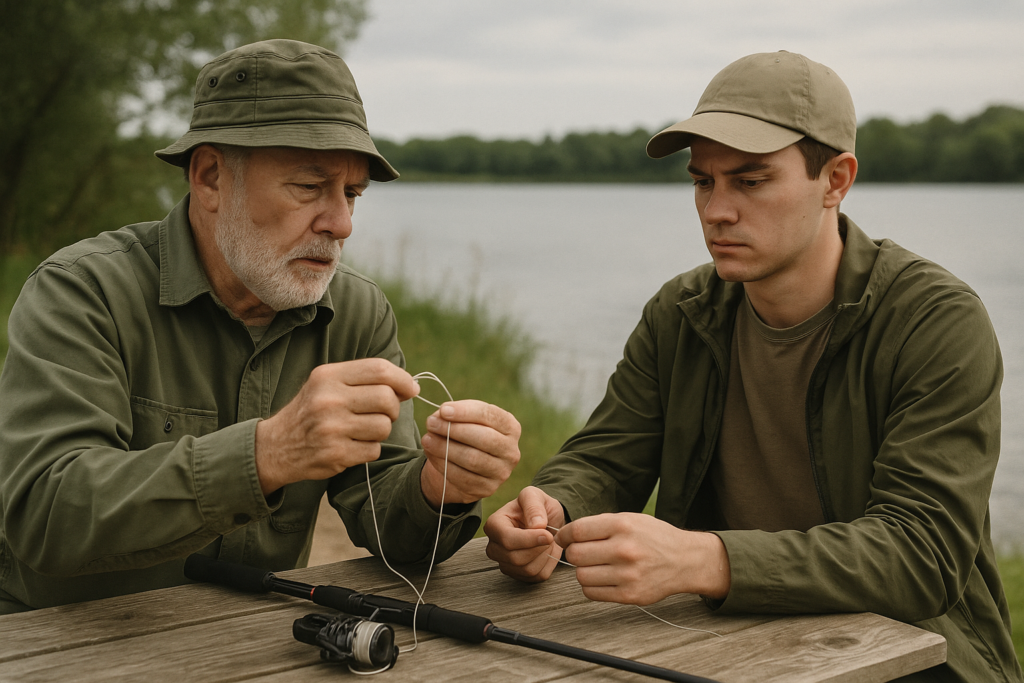
For individuals new to fishing, the ability to tie reliable knots is a fundamental skill that underpins success on the water. A structured practice plan can provide a repeatable framework for developing this proficiency, ensuring anglers can confidently secure their lines and tackle.
The core of any knot-tying practice regimen involves repetition and testing. Anglers are encouraged to dedicate time to practicing knots away from the water. This allows for focused learning without the pressure of immediate application. Key knots for beginners often include the improved clinch knot, the palomar knot, and the uni knot, each serving different purposes depending on the type of fishing line and lure or bait being used.
When practicing, it is important to pay attention to the details of each knot. This includes the number of wraps, the direction of the tag end, and the final tightening process. A properly tied knot should be snug and secure, with no loose loops or overlapping sections that could weaken its integrity.
Testing the strength of tied knots is a critical step. This can be done by pulling firmly on the line after the knot is tied. Anglers should observe how the knot behaves under tension. A well-tied knot will hold fast, while a poorly tied one may slip or even break. This feedback loop is essential for identifying and correcting mistakes.
Furthermore, it is advisable to retie knots after they have been subjected to significant stress, such as snagging on underwater structures or fighting a strong fish. Even if a knot appears to have held, repeated stress can subtly compromise its strength. Regular retying ensures that the connection between the line and the terminal tackle remains dependable.
Anglers should also consider adapting their practice to local conditions and regulations. Factors such as water type (freshwater or saltwater), common fish species, and the specific tackle being used can influence the best knot choices. Consulting with experienced local anglers or fishing guides can provide valuable insights tailored to the Central Savannah River Area’s fishing environments.
This foundational practice plan serves as a starting point. As anglers gain experience, they can explore more advanced knots and techniques. The goal is to build confidence and competence, allowing for a more enjoyable and successful fishing experience.