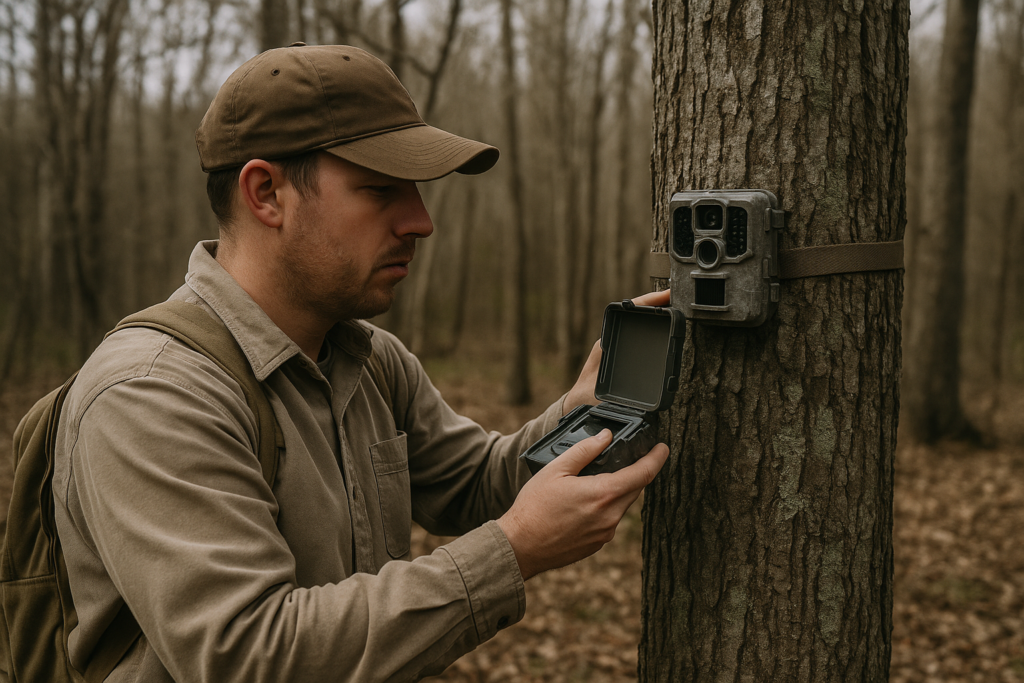
Hunters utilizing public lands within the Central Savannah River Area (CSRA) and surrounding regions are reminded of best practices for deploying trail cameras, a tool increasingly common for scouting and monitoring wildlife.
The deployment of trail cameras on shared hunting grounds requires adherence to established rules and a consideration for other users. While specific regulations can vary, a foundational framework for courtesy on public lands emphasizes following local rules, avoiding the obstruction of trails, and labeling equipment when required.
Local regulations, often established by state wildlife agencies and land management bodies, dictate where and how trail cameras may be placed. These rules are designed to ensure fair access and minimize impact on the environment and other hunters. Hunters are advised to consult the specific guidelines for the public land they are utilizing before setting up any equipment.
Avoiding the obstruction of established trails is a key aspect of shared land etiquette. Cameras and their associated mounting hardware should be placed in a manner that does not impede the movement of people or wildlife along designated pathways. This includes ensuring that the camera itself, or any visible flagging or markers, does not create a hazard or inconvenience for others traversing the area.
Labeling equipment is another important consideration, particularly on public lands where multiple individuals may be present. When required by local rules, cameras should be clearly marked with the owner’s name and contact information. This practice aids in identification, can help resolve accidental misplacement, and demonstrates accountability for the equipment.
Beyond these core principles, hunters are encouraged to consider the broader implications of their camera placement. Factors such as proximity to other hunters’ blinds or known game trails, and the potential for equipment to be damaged or tampered with, are also relevant.
Adapting these practices to local conditions, understanding specific budgets for equipment, and seeking professional guidance where appropriate can further enhance responsible trail camera use. The objective is to leverage technology for hunting success without compromising the integrity of public land resources or the experience of fellow hunters.