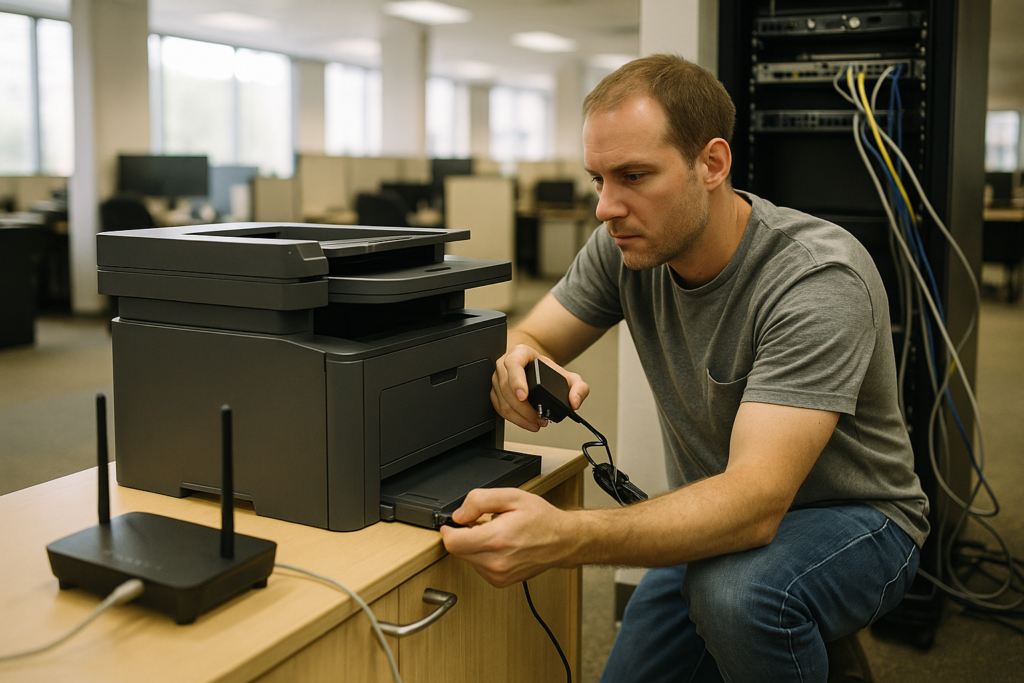
In an era where digital threats are constant, maintaining the security of office network infrastructure is paramount. A proactive approach to updating and securing devices like printers and routers can significantly reduce vulnerabilities. This “Printer and Router Update Day” framework offers a systematic method for businesses to bolster their cyber hygiene.
At the core of this strategy is the regular checking and updating of device firmware. Firmware is the low-level software that controls a device’s hardware. Like any software, it can contain bugs or security flaws that malicious actors can exploit. Manufacturers periodically release firmware updates to patch these vulnerabilities and improve device performance. Designating a specific day for these checks ensures that this critical maintenance task is not overlooked.
Beyond firmware updates, changing default passwords on all network-connected devices is a fundamental security practice. Many devices ship with universal default usernames and passwords (e.g., ‘admin’/’password’) that are widely known. If these are not changed, they present an easy entry point for unauthorized access. Implementing strong, unique passwords for each device, and storing them securely, is a crucial step in preventing breaches.
Another vital component of this security framework is maintaining an accurate inventory of all network devices. Knowing what equipment is connected to the network, where it is located, and its current status is essential for effective management and security. This record-keeping helps in identifying any unauthorized devices that may have been added to the network and ensures that all legitimate devices are accounted for and maintained.
Businesses should adapt this framework to their specific operational needs and local conditions. This might involve consulting with IT professionals to tailor the checklist to the organization’s unique network architecture and risk profile. Budgets and available resources will also influence the implementation timeline and the extent of upgrades or replacements that can be undertaken. Professional guidance can help ensure that the adopted practices align with industry best standards and any relevant regulatory requirements.
While this framework provides a general guideline, its effectiveness relies on consistent application and a commitment to ongoing vigilance. The digital landscape is constantly evolving, and so too must the security measures employed by businesses to protect their data and operations. Regular review and adaptation of these security practices are necessary to stay ahead of emerging threats.