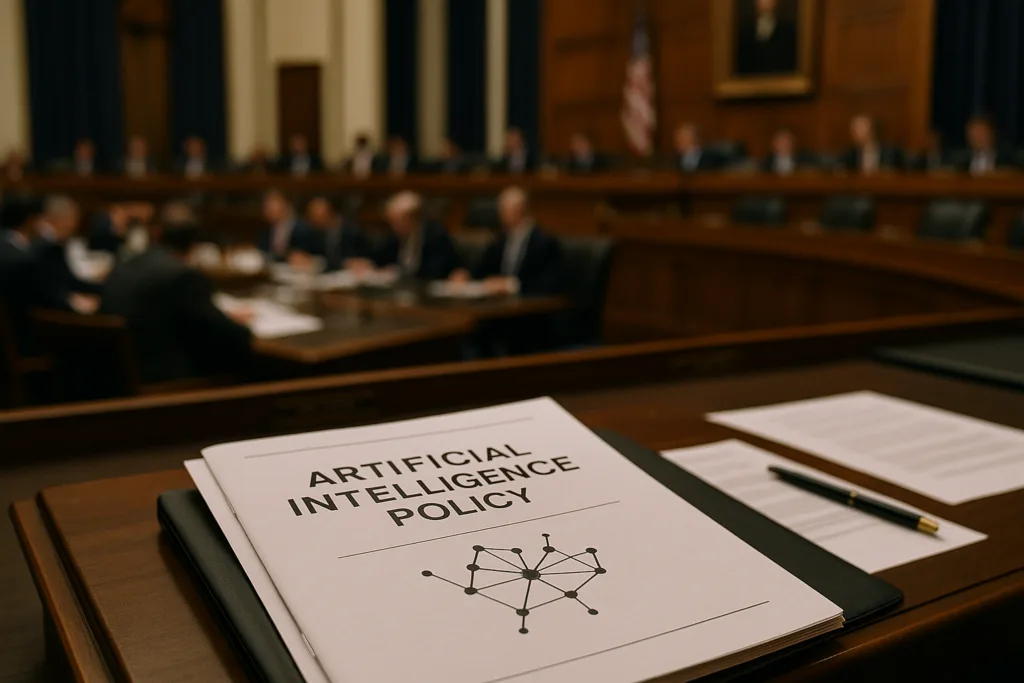
On June 4, 2026, U.S. Representatives Lori Trahan and Jay Obernolte introduced a bipartisan draft bill aimed at regulating artificial intelligence (AI) technologies. This proposal seeks to establish a federal framework that would prevent individual states from enacting laws that specifically target the development of AI models, while still allowing them to regulate the use of AI technology within their jurisdictions.
The lawmakers have released the draft for public feedback, inviting stakeholders and experts to provide input before the bill is formally introduced. This approach reflects a growing recognition of the complexities surrounding AI regulation, particularly as the federal government increasingly focuses on issues of cybersecurity, the development of frontier AI models, and the balance of power between national standards and state authority.
The draft legislation arrives at a pivotal moment in the discourse on AI governance, coinciding with recent federal directives that set deadlines for AI cybersecurity measures and establish a voluntary framework for frontier-model oversight. These directives are part of a broader effort to enhance national security and ensure that AI technologies are developed and utilized responsibly.
In addition to the prohibition on state laws targeting AI model development, the draft bill does not restrict states from regulating the actual applications of AI technology. This distinction is significant, as it allows states to address specific concerns related to AI implementation while maintaining a unified federal approach to model development.
The introduction of this draft bill underscores the urgency of establishing a coherent regulatory framework in light of the rapid advancements in AI technology. As AI systems become increasingly integrated into various sectors, the need for clear guidelines and standards becomes more pressing. The lawmakers’ initiative aims to strike a balance between fostering innovation and ensuring public safety and accountability in the deployment of AI technologies.