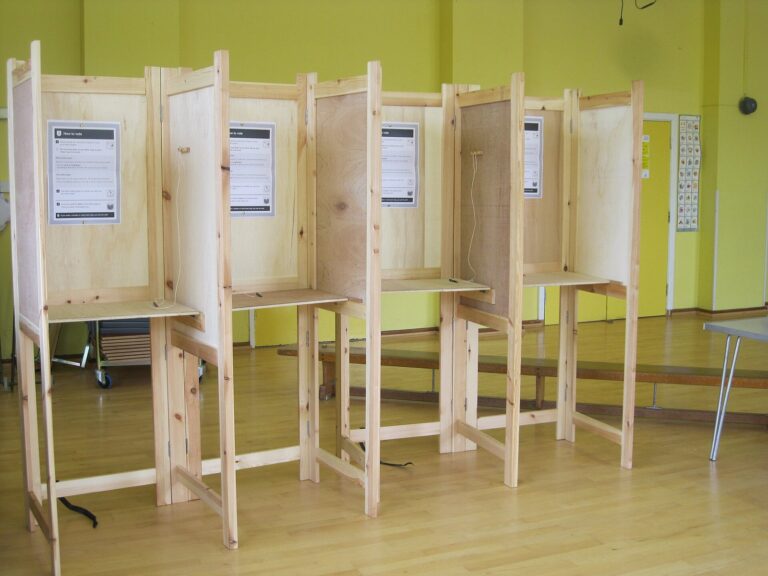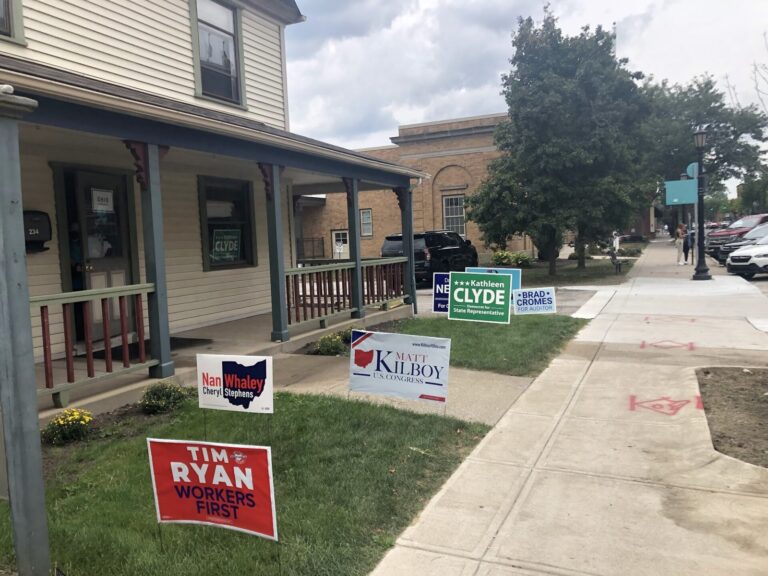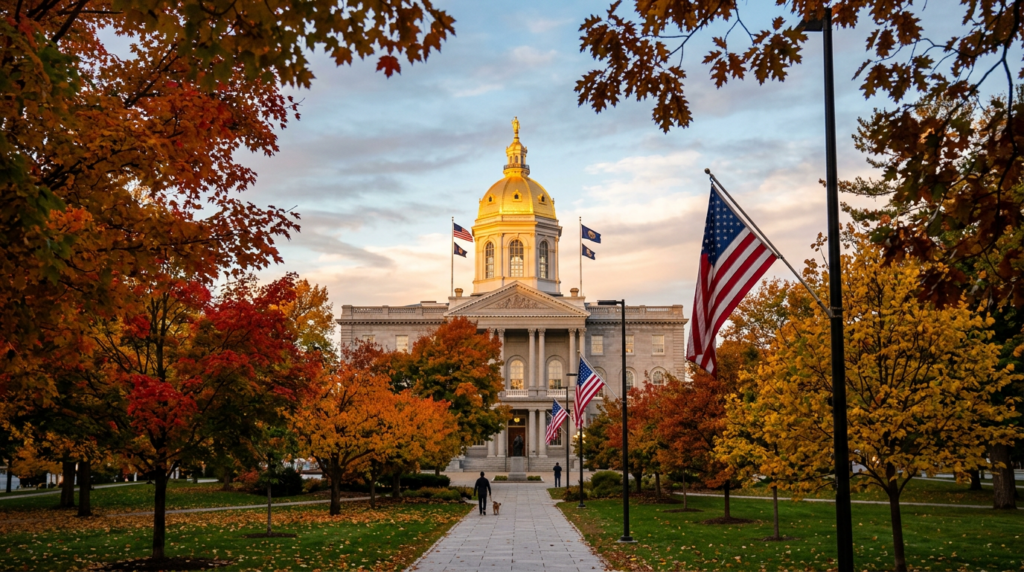
New Hampshire voters headed to the polls Tuesday for statewide primaries in races for governor, U.S. Senate and both of the state’s U.S. House districts, in contests that party strategists in both parties treat as early bellwethers for the November general election and for the balance of power in Washington.
The Senate primary is the marquee race. Democratic U.S. Rep. Chris Pappas and Republican former Sen. Scott Brown are the presumptive nominees to succeed retiring Democratic Sen. Jeanne Shaheen, and both were expected to advance easily. The seat is one of a small number of Senate contests widely viewed as competitive in 2026, and its outcome could help determine control of the Senate. Pappas is currently the state’s 1st Congressional District representative, and his move to the Senate race has opened one of two House seats in play in New Hampshire.
The gubernatorial primary has been the more crowded contest. Republican Gov. Kelly Ayotte, a former U.S. senator elected governor in 2024, faces no primary challenger and is running for a second term. On the Democratic side, several candidates competed for the nomination to challenge Ayotte, with the party field settling over the summer around former Manchester Mayor Joyce Craig and state Sen. Cinde Warmington as the leading contenders. Craig had led in most publicly available primary polling ahead of Election Day. Ayotte’s re-election bid draws national Republican attention as they look to defend looking to defend gubernatorial seats in the Northeast, and by Democrats hoping to flip an office in a state that has otherwise trended blue in recent presidential cycles.
Both of New Hampshire’s U.S. House seats are open in 2026, an unusual circumstance produced by Pappas’ Senate run and 2nd District Rep. Maggie Goodlander’s decision to seek a second term. Primaries in both districts drew multiple candidates, with the results setting up general-election matchups in two of the roughly two dozen House districts nationally that political handicappers rate as competitive.
New Hampshire uses semi-open primaries: undeclared voters — the largest voting bloc in the state — can choose to participate in either party’s primary at the polling place. Turnout in a September primary in a non-presidential year is historically modest, but state officials had projected higher-than-usual interest given the number of open seats on the ballot. Polls across the state closed at 7 or 8 p.m. depending on the municipality, with results reported by the New Hampshire Secretary of State’s office through the evening. The outcomes will lock in the general-election field for a state that both parties expect to spend heavily in over the next two months.
Section: More Aiken SC politics news
Filed under: Aiken SC Politics News