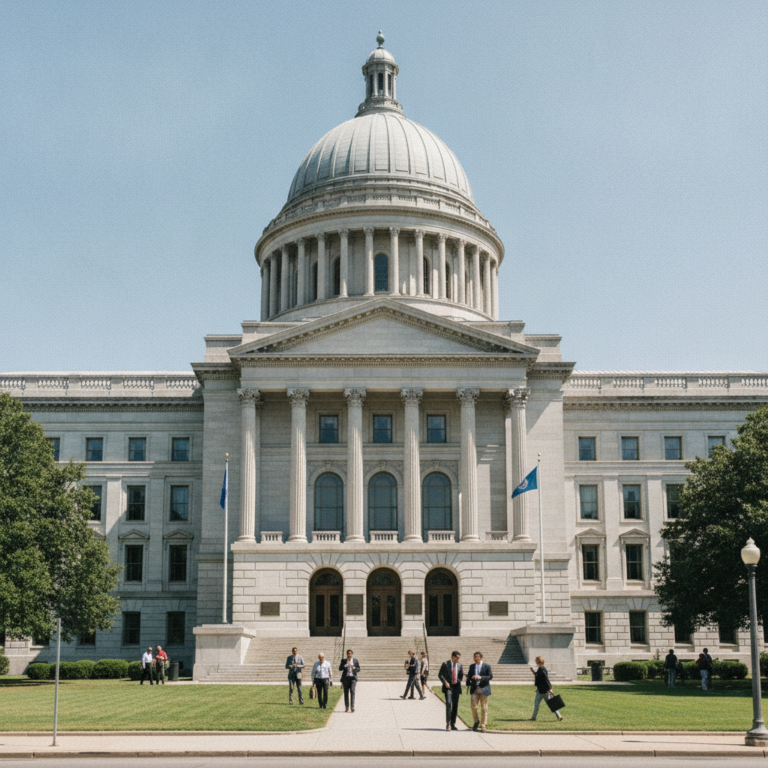
The upcoming November US Senate race in Alaska features two candidates named Dan Sullivan, a situation that has raised concerns among some Republicans about potential vote splitting. However, Alaska’s ranked choice voting system is designed to mitigate such issues, allowing voters to rank candidates without fear of their vote being wasted.
As of August 28, 2026, the ballot will include incumbent Senator Dan S. Sullivan and another candidate, teacher Dan J. Sullivan, alongside former Democratic Congresswoman Mary Peltola and one other candidate yet to be determined. The presence of two candidates with the same name could, in traditional choose-one election systems, lead to a spoiler effect where votes are inadvertently diverted from a front-runner.
Across the country, it is common for political parties to support lesser-known candidates to draw votes away from opponents. For example, in 2020, a Republican consultant in Florida reportedly paid a candidate named Alex Rodriguez to run as an independent against a Democrat with the same last name, Jose Rodriguez. Jose Rodriguez ultimately lost by 32 votes, while Alex Rodriguez received over 6,000 votes.
Alaska’s ranked choice voting system, however, reduces the effectiveness of such tactics. Voters rank candidates in order of preference. If a voter’s first choice does not have a chance to win, their vote is then transferred to their next preferred candidate. This means that voters who are unsure which Dan Sullivan is which can rank both, and their vote will ultimately count for the stronger of the two, likely Senator Dan Sullivan.
Evidence from previous Alaskan elections suggests that voters understand how to use ranked choice ballots effectively. This includes successfully writing in a candidate in 2010 and ranking all Republican candidates in 2022. Voters who rank a lower-performing, third-party, or independent candidate first have also shown a greater likelihood of ranking backup choices. An analyst noted that efforts to game the Alaska election might be carried over from strategies used in other states, but these tactics are expected to have a limited impact in Alaska due to ranked choice voting.
This electoral dynamic in Alaska highlights how different voting systems can influence election outcomes and candidate strategies, a topic of interest to voters in Aiken and across South Carolina, where election reform discussions are ongoing.