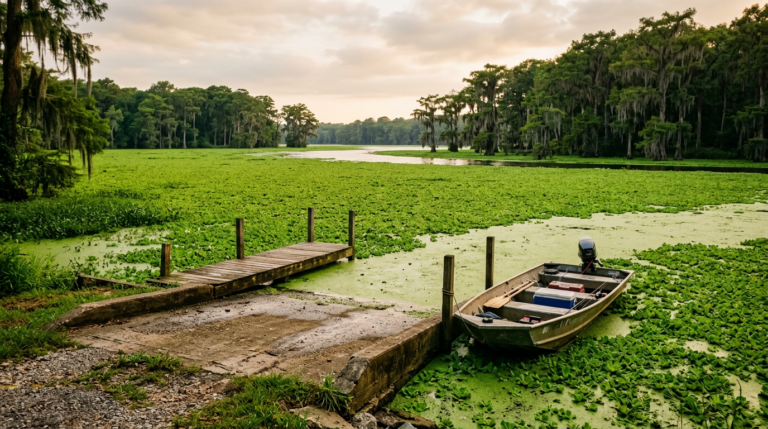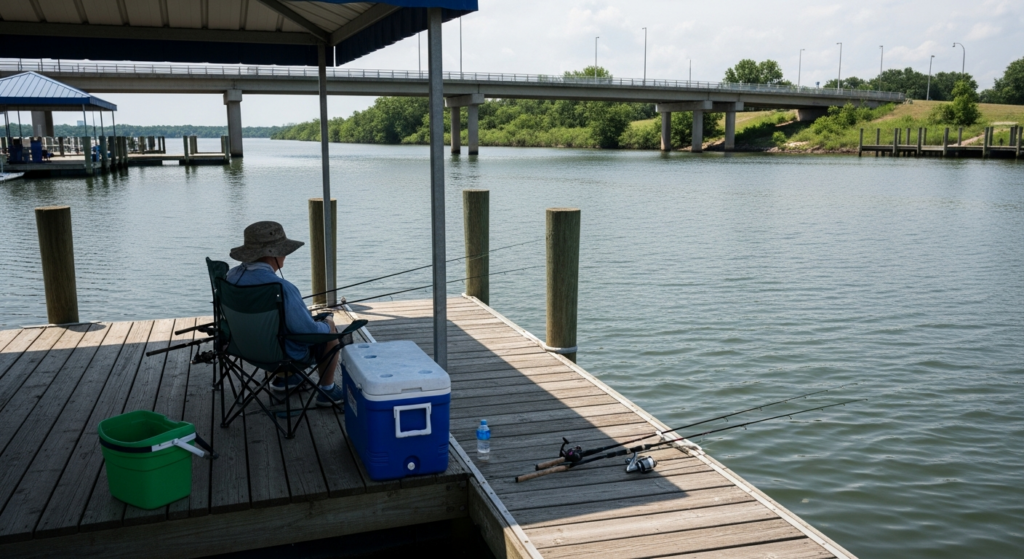
Anglers venturing onto the Savannah River, Langley Pond, or the various lakes within Aiken State Park this summer are encouraged to review comprehensive safety recommendations designed to mitigate risks associated with high temperatures and prolonged sun exposure. The guidance, which addresses hydration, sun protection, heat illness, weather preparedness, essential gear, and responsible fishing practices, underscores the importance of proactive measures for recreational safety in Aiken and the broader Central Savannah River Area (CSRA).
Staying adequately hydrated is paramount during summer outings. The recommendations stress consuming at least eight glasses of water daily, with increased intake advised during periods of heavy sweating. Carrying a large, insulated water bottle is suggested, along with considering electrolyte drinks or tablets to replenish essential minerals. Anglers are cautioned against caffeine and alcohol, both of which can contribute to dehydration, and are advised to take regular hydration breaks, especially during peak heat.
Protection against the sun’s potent ultraviolet (UV) rays is another critical component of summer safety. The guide recommends applying broad-spectrum sunscreen with a minimum SPF of 30, 15 to 30 minutes before sun exposure, and reapplying every two hours, or more frequently if sweating or in the water. UV-protective sunglasses are essential for eye health, while wide-brimmed hats and lightweight, long-sleeved clothing can provide additional physical barriers against the sun. Anglers should be particularly mindful during the hours of 10 AM to 4 PM, when the sun’s rays are at their strongest.
Understanding and recognizing the symptoms of heat exhaustion is vital for preventing more severe heat-related illnesses. Symptoms include heavy sweating, general weakness, dizziness, nausea, headache, and muscle cramps. Should these signs appear, individuals are advised to move immediately to a shaded or air-conditioned area, slowly drink cool water or an electrolyte solution, apply cool, wet cloths to the skin, and loosen any restrictive clothing. Prompt cooling is crucial to prevent the condition from escalating to heat stroke, a medical emergency.
Weather and water conditions can change rapidly, necessitating constant vigilance. The guide advises checking local forecasts, heat advisories, and severe-weather alerts before and during any fishing trip. Anglers should be prepared for sudden weather changes, including thunderstorms common in the summer months. For those on the Savannah River, consulting tide charts is also recommended. Planning trips for the cooler parts of the day, such as early morning or late afternoon, can significantly reduce heat exposure. The buddy system is also encouraged, ensuring no one fishes alone in potentially hazardous conditions.
Carrying essential gear can make a substantial difference in an emergency. A well-stocked first aid kit, containing bandages, antiseptics, pain relievers, and any personal medications, is indispensable. Beyond water and high-energy snacks, a cooler with ice packs, a portable fan or misting device, and extra clothing are practical additions. A multi-tool or fishing knife, along with a lightweight waterproof jacket, can address various unforeseen circumstances on the water.
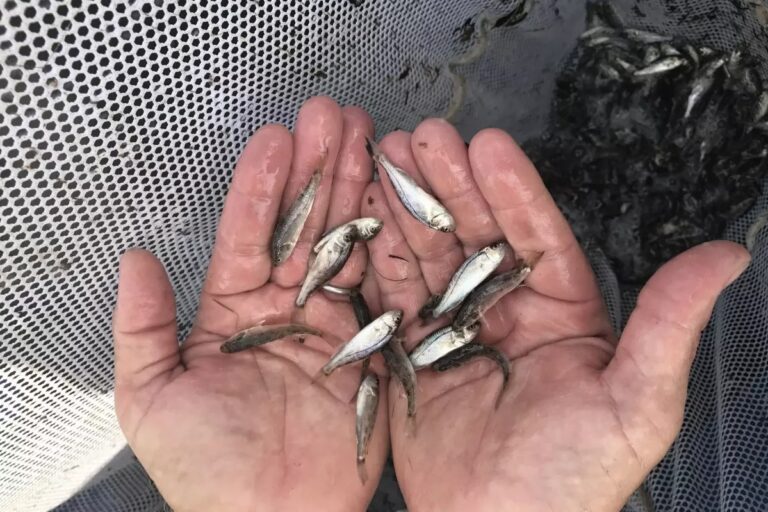
Responsible fishing practices not only ensure the sustainability of fish populations but also contribute to angler safety. The guide recommends using barbless hooks or crimping barbs to minimize harm to fish. When handling fish, wetting hands before touching them helps protect their protective slime coat. Anglers should avoid contact with the gills and eyes, support the fish’s entire body, and limit the time it spends out of the water. Using a landing net can facilitate safer handling. Adhering to catch limits and seasonal restrictions, and practicing catch-and-release, especially for larger breeding-age fish, are emphasized to preserve the ecological balance of Aiken’s aquatic environments.
Why it matters in Aiken
The comprehensive safety recommendations are particularly pertinent for the Aiken community, where outdoor recreation, especially fishing, is a popular summer activity on waterways like the Savannah River and Langley Pond. Adhering to these guidelines can significantly reduce the incidence of heat-related illnesses, which can strain local healthcare resources such as Aiken Regional Medical Centers. By promoting responsible practices, the guide also supports the long-term health of the region’s natural resources, ensuring that local fishing spots remain vibrant and accessible for residents and visitors alike, contributing to the overall well-being and quality of life in Aiken. These measures help protect both individuals and the environment that defines much of the area’s recreational appeal.