A comprehensive safety guide has been released, providing essential recommendations for anglers navigating the high temperatures and intense sun exposure characteristic of the summer fishing season in Aiken and the surrounding Central Savannah River Area (CSRA). The guidelines emphasize proactive measures to prevent heat-related illnesses and ensure a safer experience on local waterways such as the Savannah River, Langley Pond, and the various lakes within Aiken State Park.
One of the primary concerns addressed is sun protection, given that the sun’s ultraviolet (UV) rays are strongest between 10 AM and 4 PM. Water surfaces, prevalent in fishing environments, can reflect up to 15% of UV radiation, significantly increasing exposure risks. The guide strongly recommends the use of broad-spectrum sunscreen with an SPF of at least 30, with SPF 50 or higher advised for extended periods on the water. Proper application involves applying sunscreen 30 minutes before going outdoors and reapplying every two hours, or more frequently after heavy sweating or contact with water. Beyond topical protection, anglers are encouraged to wear lightweight, long-sleeved UPF-rated clothing, which provides a measurable level of UV protection. Light-colored garments are also recommended as they reflect sunlight rather than absorbing it. A wide-brimmed hat, offering at least four inches of coverage, and polarized sunglasses with 100% UV protection are crucial for protecting the face, neck, and eyes from harmful rays and glare.
Hydration is another critical component of summer safety. The guide advises anglers to drink at least 8 ounces of water every 15 to 20 minutes during active fishing. This consistent intake helps the body regulate its temperature and prevents dehydration, which can quickly lead to more severe heat-related conditions. It is important to avoid beverages high in caffeine or alcohol, as these can act as diuretics and accelerate fluid loss. For those engaged in strenuous activity or prolonged exposure, sports drinks can be beneficial in replacing electrolytes lost through sweating, helping to maintain the body’s fluid balance.
The guide also details the warning signs and appropriate responses for heat-related emergencies, distinguishing between heat exhaustion and heat stroke. Heat exhaustion symptoms include heavy sweating, general weakness, nausea, headache, and muscle cramps. If these signs appear, individuals should move to a cooler, shaded area, loosen clothing, and rehydrate with water or sports drinks. Untreated heat exhaustion can progress to heat stroke, a life-threatening condition. Symptoms of heat stroke are more severe, including a body temperature above 103°F, an altered mental state (such as confusion or disorientation), hot and dry skin (though sweating may still be present), a rapid pulse, and potential unconsciousness. Heat stroke requires immediate medical attention; a 911 call is imperative, followed by aggressive cooling measures while awaiting emergency services.
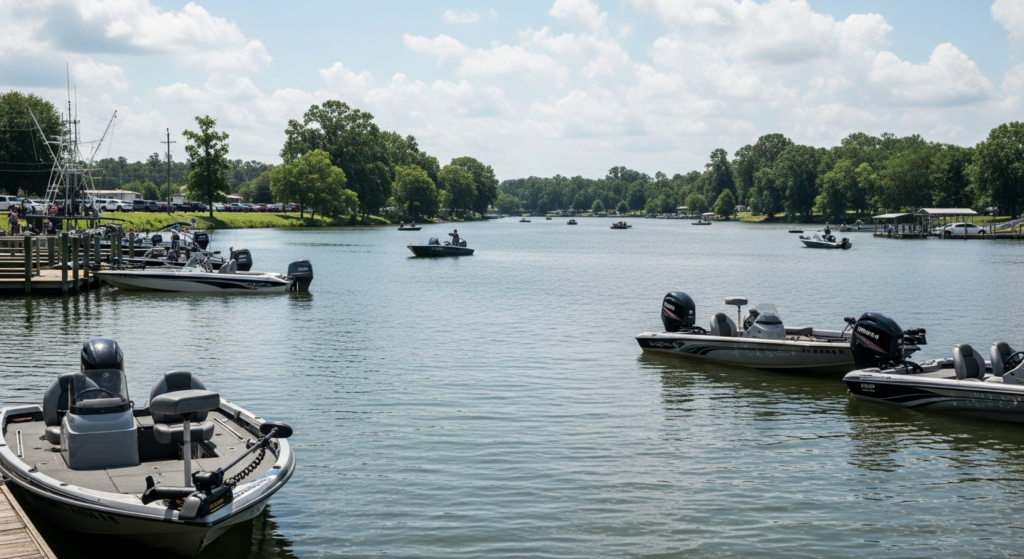
Strategic planning for fishing excursions can significantly mitigate risks. The guide suggests fishing before sunrise or during the evening hours when ambient temperatures are considerably cooler. If fishing during peak heat, anglers should seek out shaded areas, deeper water, or covered structures to reduce direct sun exposure. For boat anglers, additional precautions are necessary. Before heading out on the Savannah River or other larger bodies of water, it is crucial to check engine cooling systems and ensure all safety equipment is in good working order. Filing a float plan with a trusted contact, detailing the planned route and expected return time, is a vital safety measure. Carrying extra water, with a recommendation of at least one gallon per person per day for emergencies, and other essential supplies, including a VHF radio for communication, can be life-saving.
These guidelines are particularly relevant for the Aiken area, where outdoor recreation, including fishing, is a popular activity throughout the summer months. From the banks of Horse Creek to the expansive waters of Langley Pond, residents and visitors alike engage with the region’s natural resources. Adhering to these safety protocols is not merely a recommendation but a practical necessity for enjoying the local environment safely and responsibly, especially during periods of sustained high temperatures.
Why it matters in Aiken
The emphasis on summer fishing safety holds significant weight for the community in Aiken. With numerous accessible waterways like the South Fork Edisto River, Boyd Pond, and the popular Aiken State Park, fishing is a cherished pastime for many families and individuals. The health and well-being of those who recreate in these environments directly impacts local emergency services and healthcare providers, including Aiken Regional Medical Centers, which often treat heat-related illnesses. By proactively adopting the recommended safety measures, anglers can reduce the strain on these vital community resources and ensure that the enjoyment of Aiken’s natural beauty does not come at the cost of personal health or safety. These guidelines help preserve the quality of life and recreational opportunities that define much of the summer experience in Aiken County.