A significant heat wave is expected to impact Aiken and the broader eastern United States from Friday, July 3, through at least Sunday, July 5, coinciding with the Fourth of July holiday weekend. Forecasters predict dangerous levels of heat and humidity, with real-feel temperatures potentially soaring to between 100 and 115 degrees in affected regions.
A heat dome, as reported by AccuWeather, is driving these conditions, affecting hundreds of millions of people. Good Housekeeping has also highlighted the severity of the impending weather, urging precautions for those planning outdoor activities or tending to home gardens.
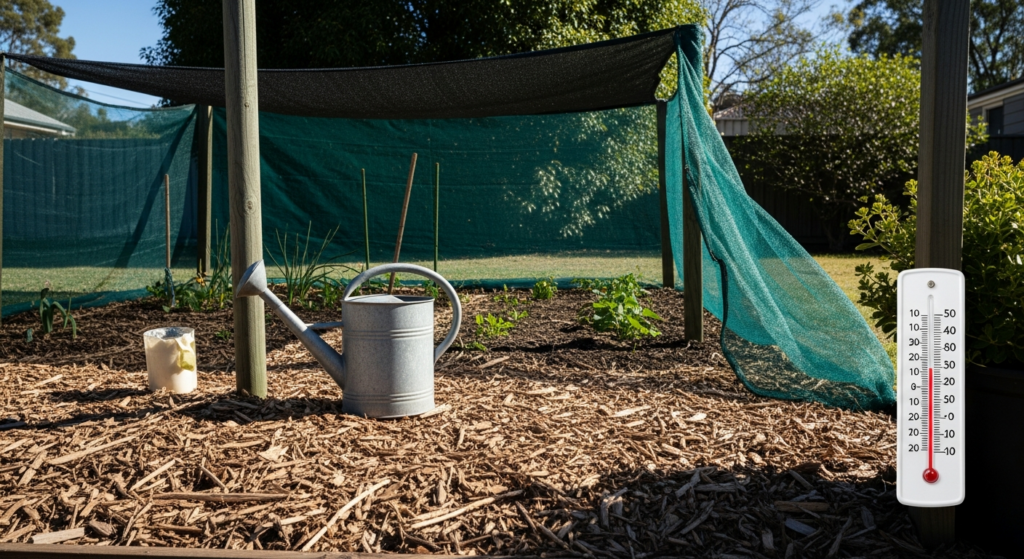
For residents in Aiken and Aiken County, the elevated temperatures necessitate adjustments to routines, particularly for those engaged in gardening or outdoor work. Plants, much like people, can suffer from heat stress. Gardeners are advised to water deeply and early in the morning to allow moisture to penetrate the soil before the intense midday sun causes rapid evaporation. Mulching around plants can help retain soil moisture and regulate root temperatures, offering a buffer against the extreme heat. Sensitive plants may benefit from temporary shade cloths or being moved to shadier spots during the peak heat hours.
Outdoor activities, including those planned for the holiday weekend, will require careful consideration. Health officials generally recommend limiting strenuous physical exertion during the hottest parts of the day, typically between 10 a.m. and 4 p.m. Staying hydrated by drinking plenty of water, even if not feeling thirsty, is crucial. Those spending time outdoors in areas like Hitchcock Woods or Citizens Park should seek shade frequently and wear light-colored, loose-fitting clothing.
Employers with outdoor workforces, such as those at the Savannah River Site or local construction projects, are often implementing protocols to protect workers from heat-related illnesses. These measures typically include scheduled breaks in cool, shaded areas, access to ample hydration, and monitoring for signs of heat exhaustion or heatstroke.
The University of South Carolina Aiken and Aiken Technical College, while potentially less active with students during the summer, still maintain grounds that require attention, and their staff will also need to observe heat safety guidelines.
### Why it matters in Aiken
The severe heat wave arriving this Fourth of July weekend carries significant implications for public health and daily life in Aiken. Aiken Regional Medical Centers, a cornerstone of healthcare in the community, often sees an increase in heat-related emergency visits during such extreme weather events. The strain on emergency services and the potential for heatstroke, dehydration, and other serious conditions underscore the importance of preventative measures. Ensuring the well-being of outdoor workers, protecting local agriculture, and safeguarding residents enjoying summer activities are critical concerns for the city of Aiken as it navigates these challenging conditions.