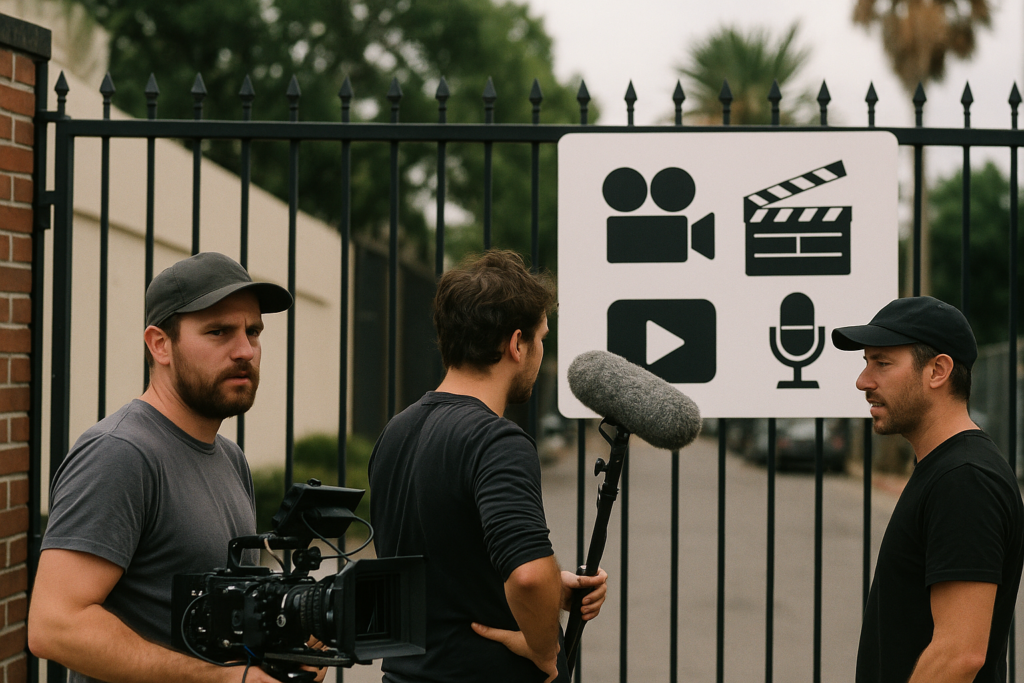
Hollywood workers rallied this weekend against the proposed merger of Paramount and Skydance, voicing concerns that further consolidation in the entertainment industry could reduce jobs, limit creative opportunities, and impact the diversity of film and television production.
The demonstration, led by the International Alliance of Theatrical Stage Employees (IATSE), highlighted anxieties among crews, artists, and technicians about the long-term effects of fewer major players controlling the industry. Union representatives and advocates argue that increased consolidation typically leads to fewer buyers for creative work, potentially depressing wages and stifling innovation across various production sectors, including documentaries and independent films.
The proposed deal between Paramount and Skydance is currently undergoing rigorous review by federal regulators. These agencies are tasked with assessing the merger’s potential impact on market competition and consumer welfare. Beyond federal oversight, reports indicate that several state attorneys general are considering legal challenges to block the transaction, adding a layer of complexity to its approval process and underscoring the broad concern over media ownership concentration.
While Aiken and the broader Central Savannah River Area are not primary hubs for film and television production, the national debate over media consolidation carries implications for how residents consume entertainment and for the future landscape of creative industries. Institutions like the University of South Carolina Aiken, which offers programs in visual and performing arts, prepare students for careers in fields that are increasingly shaped by the decisions of large corporate entities. The trend of fewer, larger media companies could influence the types of projects greenlit, the distribution channels available for independent creators, and even the breadth of cultural content accessible to audiences far beyond Hollywood.
Concerns raised by IATSE and other groups focus on the potential for reduced competition, which they argue could depress wages and stifle innovation throughout the production pipeline. For audiences in the CSRA, this could translate into a narrower selection of films and television shows, as larger studios might prioritize projects with broader commercial appeal over niche or experimental content, including documentaries that often provide diverse perspectives.
The scrutiny facing the Paramount-Skydance deal reflects a broader national conversation about antitrust enforcement and the power of large corporations across various sectors. Even without a direct production presence, the economic health of the entertainment industry affects ancillary sectors, from technology to marketing, and fundamentally shapes the cultural fabric. The outcome of this proposed merger, and similar consolidation efforts, will likely be watched closely for its ripple effects on labor practices, content creation, and the overall media ecosystem that serves audiences across the nation, including those in the CSRA.