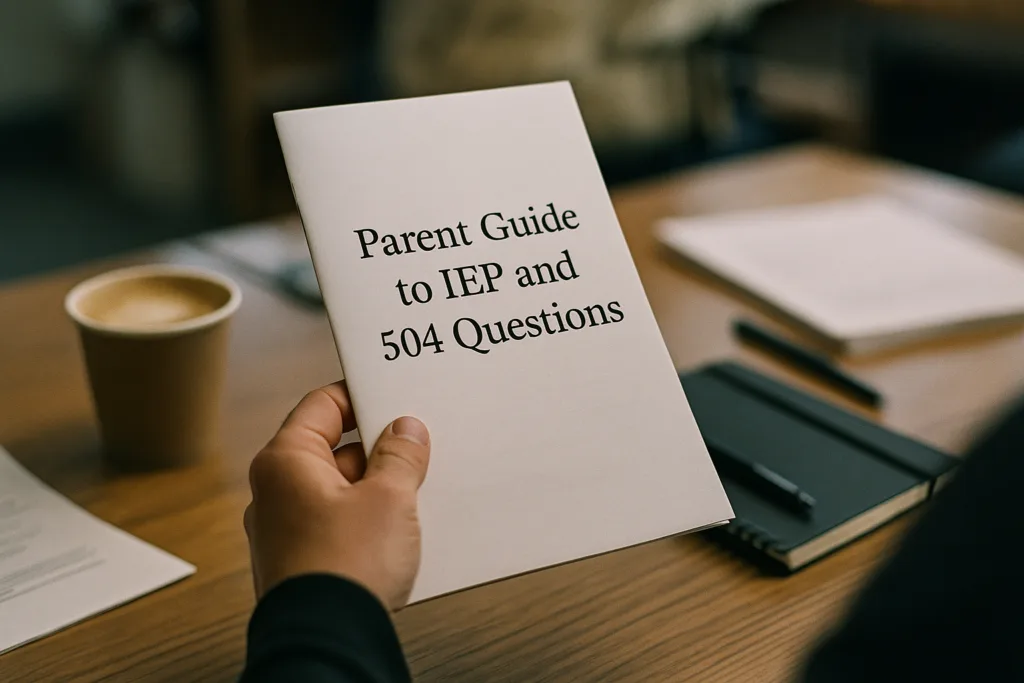
In Aiken, parents navigating the complexities of special education often encounter two critical frameworks: Individualized Education Programs (IEPs) and 504 plans. While both aim to support students with disabilities, they serve different legal and educational purposes.
IEPs are designed for students who qualify for special education services under the Individuals with Disabilities Education Act (IDEA). This federal law mandates that schools provide tailored educational services to meet the unique needs of eligible students. In contrast, 504 plans fall under the Rehabilitation Act of 1973, providing accommodations to students with disabilities who do not require special education but need support to access the general education curriculum.
Parents are advised to maintain thorough records of evaluations, accommodations, meetings, and communications regarding their child’s educational needs. This documentation can be invaluable in advocating for appropriate resources and services. When discussing accommodations with school officials, parents should inquire about how these will be implemented, measured, and reviewed. Clear communication between families and schools is essential to ensure that students receive the support they need to succeed.
The focus for both IEPs and 504 plans should revolve around student access, progress, and practical support. Engaging in discussions about specific strategies and interventions can help parents better understand how their child’s needs will be met within the educational setting.
As summer unfolds, many families may take this time to reflect on their children’s educational experiences and consider any necessary adjustments for the upcoming school year. Understanding the differences between IEPs and 504 plans is a crucial step in ensuring that students in Aiken receive the appropriate support to thrive in their academic environments.