As the leaves begin to change and the crisp air of fall settles in over Aiken, families are already looking ahead to the future of education—especially with the recent announcement regarding federal student loan changes scheduled for July 2026. These changes are poised to significantly impact how Aikenites finance higher education, particularly for graduate students and parents.
The new regulations will bring an end to Grad PLUS borrowing for many future borrowers, which has traditionally allowed graduate students to secure additional funding beyond standard federal loan limits. This shift raises eyebrows among local families who rely on these loans to pursue advanced degrees at institutions like the University of South Carolina Aiken. With professional programs now facing annual and lifetime borrowing caps, many students may find themselves navigating a more challenging financial landscape.
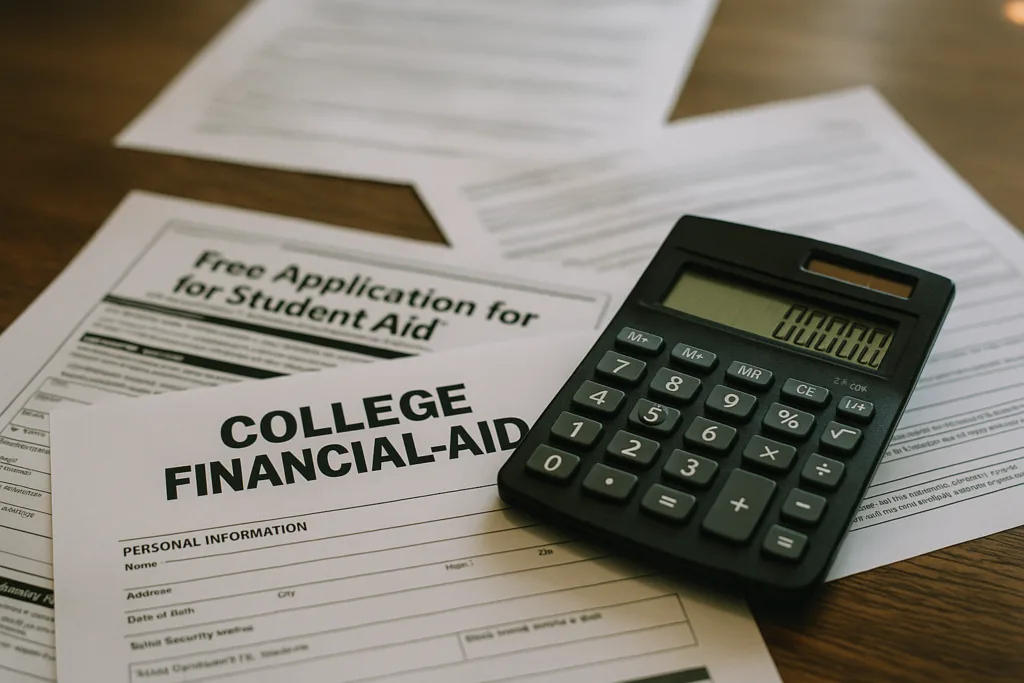
For parents looking to support their children’s education, the new rules will also impose annual and lifetime limits on borrowing through Parent PLUS loans. Currently, parents can borrow up to $20,000 per year and a total of $65,000. However, with the impending changes, families may need to reassess their financial strategies, particularly as repayment plans for new loans will also undergo modifications.
As an Aikenite, it’s hard not to feel the weight of these changes. Families in our community have long valued education as a pathway to opportunity, and many have relied on federal loans to help make college a reality. The prospect of tighter borrowing limits may force some to reconsider their educational goals or seek alternative funding sources, which could include scholarships or private loans that often come with less favorable terms.
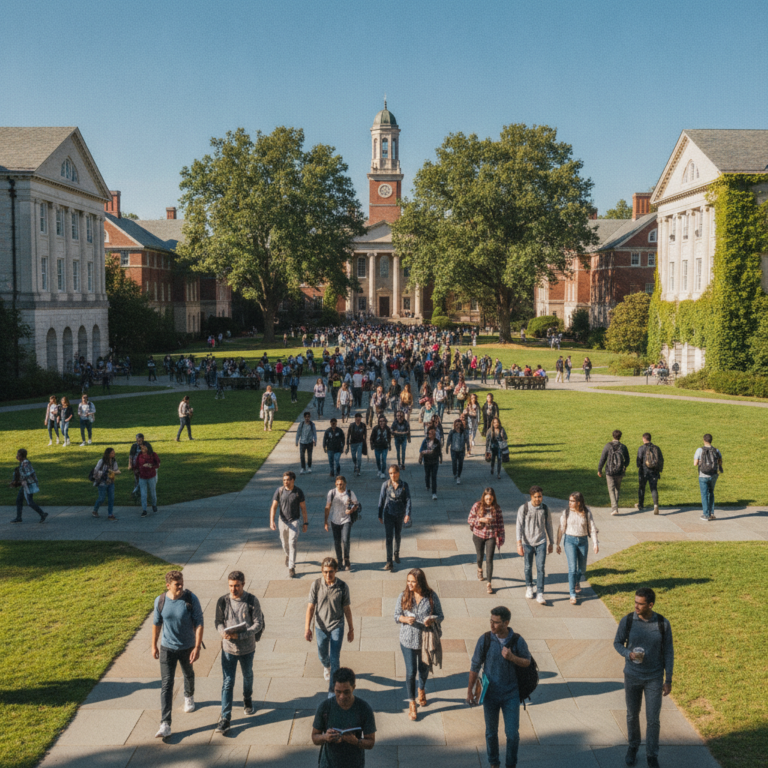
Local educators and administrators are already discussing how these changes might affect enrollment trends at Aiken Technical College and the University of South Carolina Aiken. With a strong emphasis on workforce development in our region, it’s crucial that our institutions remain accessible to students from all backgrounds. The potential for increased financial barriers could lead to fewer students pursuing degrees in high-demand fields, which could ultimately impact our local economy.
As we approach the 2026 deadline, parents and students are encouraged to stay informed about these changes and explore all available options. Financial literacy programs offered by local organizations could play a vital role in helping families navigate the complexities of student loans and financial aid. Additionally, community discussions and workshops could provide valuable insights into the best strategies for funding education in light of these new regulations.
In the meantime, Aikenites can take comfort in knowing that our community has a rich history of supporting education and a commitment to ensuring that every student has the opportunity to succeed. As we adapt to these new federal guidelines, it’s essential that we come together to advocate for accessible education and explore innovative solutions that will help our children thrive.
With the changing landscape of student loans, Aiken families will need to be proactive and informed as they plan for the future. The road ahead may be challenging, but with resilience and community support, Aikenites can continue to pursue their educational dreams.