As the summer travel season approaches, small businesses in Aiken must be vigilant about cybersecurity, especially for remote or traveling workers. With many employees likely to work from hotels, airports, or other public spaces, unsecured public Wi-Fi becomes a significant risk. According to a recent article on LinkedIn, these networks are a primary attack surface for cybercriminals targeting remote workers during their travels.
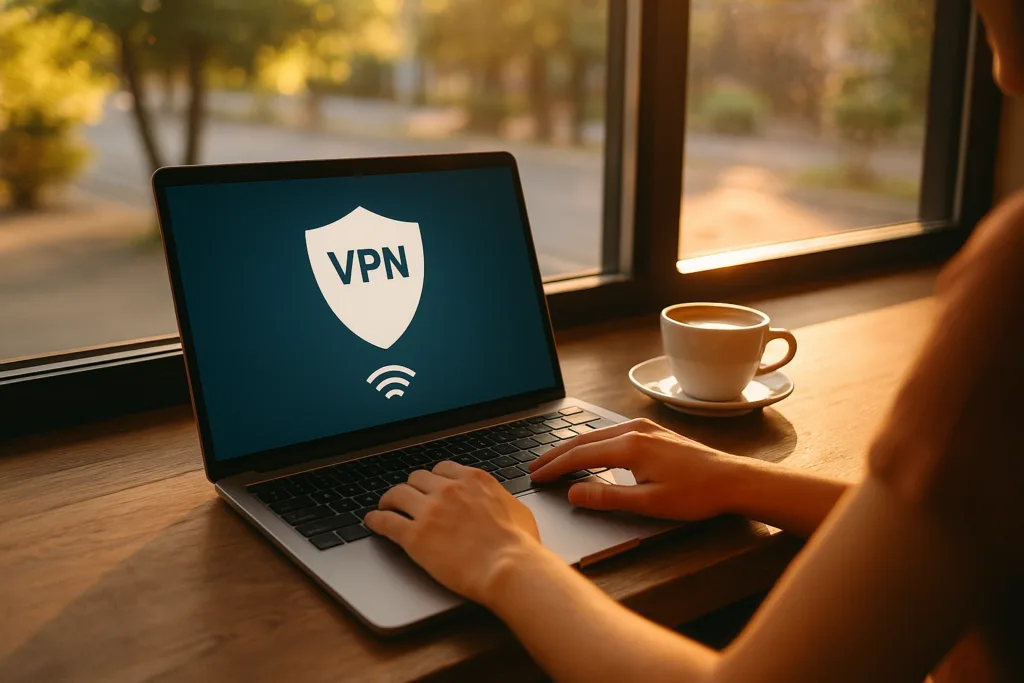
To mitigate these risks, businesses are encouraged to implement a Virtual Private Network (VPN). A VPN encrypts internet traffic and masks IP addresses, creating a protective tunnel on untrusted networks. This is crucial for remote workers who may connect to public Wi-Fi while traveling.
In addition to using a VPN, businesses should adopt multi-factor authentication (MFA). MFA adds an extra layer of security by limiting unauthorized access, even if a user’s credentials are compromised. This can be particularly important during vacation periods when employees may be less vigilant about their security practices.
Before employees embark on their trips, conducting pre-trip device audits is essential. These audits should include software updates, password reviews, and enabling remote-wipe capabilities to ensure that devices are secure. According to Soratech, idle systems and unmonitored remote connections are common weak points during vacation periods, making these audits critical.
Moreover, real-time monitoring tools can alert IT teams to unusual login attempts or unauthorized access while staff are away. This proactive approach allows businesses to respond quickly to potential threats.
To further enhance security, creating a written summer-security plan that is distributed to all staff can help reduce confusion and speed up incident response. Ensuring that all employees are aware of the security measures in place and their responsibilities can significantly improve a business’s overall cybersecurity posture during the busy travel season.
As Aiken’s small businesses prepare for the summer, focusing on these cybersecurity basics can help protect sensitive information and maintain business continuity, even when employees are working remotely or traveling.