
Aiken, South Carolina, August 31, 2025
Aiken: A Beginner’s Map to Aiken’s Polo Fields — Where to Find Every Match
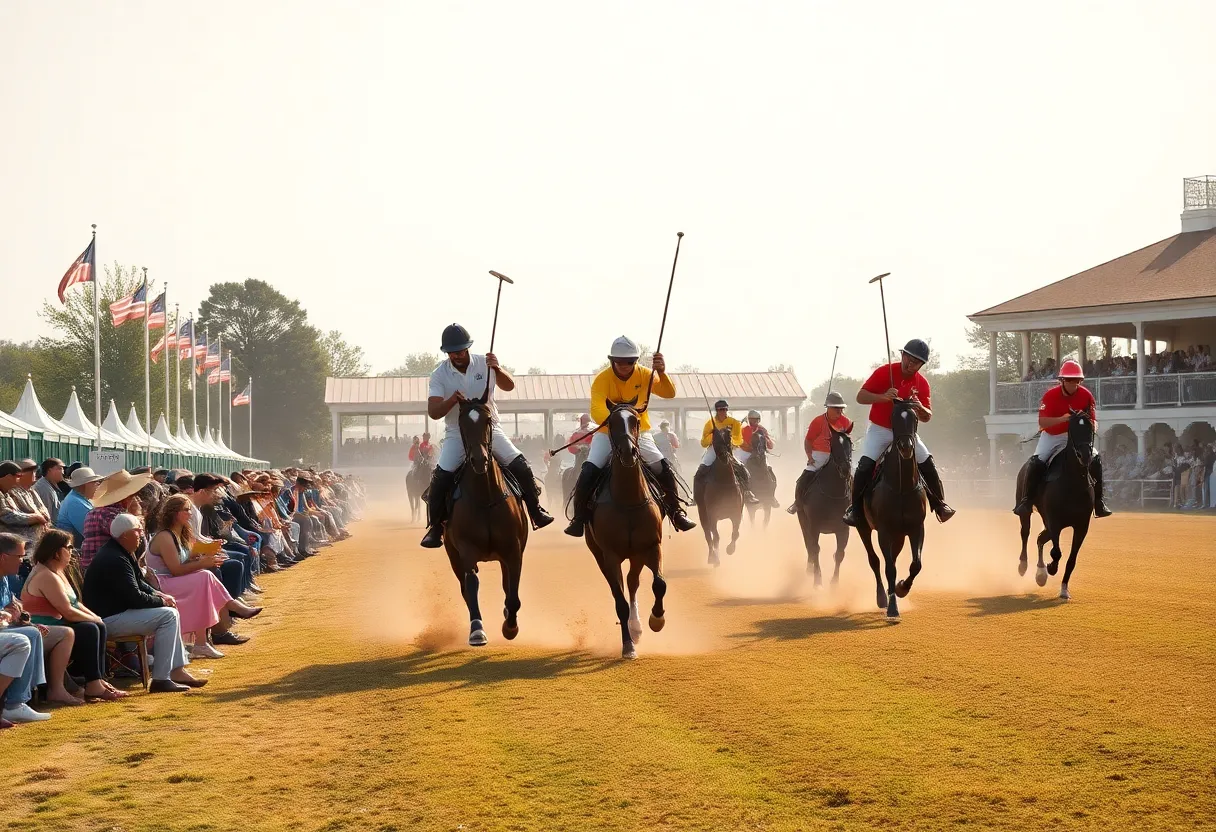
Aiken is a city where the sport of polo is woven into the local culture and landscape. For someone new to the scene, the number of playing fields, private grounds, and seasonal venues can feel overwhelming. This guide maps out where matches typically take place, how to get there, what to expect, and practical tips for making the most of your first polo experience. It focuses on field locations and spectator information without endorsing any specific organization or person.
Understanding the Geography of Polo in Aiken
Polo in Aiken is concentrated in a handful of zones that are easy to navigate once you know what to look for. Think in terms of clusters rather than individual proprietors: Historic downtown-adjacent fields, horse park complexes, private estate arenas, and training and practice grounds. Each cluster has its own character and typical schedule patterns.
Main Field Clusters and How to Find Them
1. Downtown-Adjacent Fields
These fields are often the most accessible for visitors staying in the central part of the city. They tend to host weekend matches and beginner-friendly events. Look for open grassy areas near municipal parks or equestrian neighborhoods. Parking is usually limited to nearby streets or small lots, so plan to arrive early on match days.
2. The Horse Park Complex
A larger equestrian complex typically hosts multiple rings and a set of polo fields. These are often the most spectator-equipped locations, with larger parking areas and temporary amenities during events. Fields here are commonly grouped together, making it easy to watch multiple matches in a single visit. Navigation signs and temporary wayfinding are common on match days.
3. Private Estate and Farm Grounds
Many matches take place on private property such as farms and estates. These venues can offer a more intimate viewing experience but may require advance information for public access. Some private grounds open to spectators for scheduled matches or fundraisers, while others remain invitation-only. If you find a match listed at a private site, check access and parking instructions before heading out.
4. Training and Practice Grounds
Practice chukkas and training sessions are often held at smaller, less formal fields. These are ideal for newcomers who want to observe drills, horsemanship, and warm-ups without the full event-day crowd. These grounds are frequently located near stables or riding schools and may have minimal spectator facilities.
How to Locate Match Schedules and Field Addresses
Matches are scheduled year-round, with peaks in spring and fall. To locate up-to-date schedules and exact field addresses, consult a mix of local resources. Visitor centers and municipal parks departments maintain calendars for public fields and community events. On-site bulletin boards, park signage, and local equestrian bulletin boards often list weekend fixtures. In addition, there are specialized apps and equestrian directories that aggregate event times and locations, useful for last-minute changes.
When searching, watch for the following details in listings: field name or descriptor, full street address or nearest intersection, start time and duration of the match (polo matches are divided into chukkas), and any special instructions regarding parking or admission.
Getting There: Navigation and Parking Tips
Driving is the most common way spectators reach polo fields. Use a GPS with the field address or the named complex as your destination. Some fields are set back on private lanes or long driveways; if directions refer to a specific gate or lane, follow them precisely. Arriving at least 30 to 60 minutes before start time reduces stress and improves your choice of parking.
For larger events, temporary parking attendants or shuttle services may operate from central lots. If parking is on grass, choose sturdy footwear and be prepared for uneven ground. Keep a small flashlight in your vehicle for late departures after dusk.
What to Bring: Essentials for a Comfortable Match Day
For any polo outing, pack a simple kit: a sun hat, sunscreen, water, a light folding chair or picnic blanket, binoculars to follow fast play, and weather-appropriate outerwear. Ear protection can be helpful for small children when close to the field during play. Many fields are casual but do not provide food or shelter, so bringing snacks and a small cooler is practical.
If you plan to attend private venues or hospitality areas, check in advance for any dress guidelines or entry policies to avoid surprises.
Spectator Etiquette and Safety
Polo is played at high speeds with large animals, so maintaining a safe distance from the field is essential. Stay behind designated spectator lines and listen to any on-site stewards. Avoid sudden loud noises or approaching horses unless invited by handlers. Respect property boundaries and follow posted signage concerning where photography or pets are allowed.
Timing and Typical Match Flow
A standard polo match is divided into chukkas, brief periods of play lasting around seven minutes each. Matches usually run one or two hours including intermissions. Weekend schedules often feature a sequence of matches starting mid-morning and culminating in marquee matches in the afternoon. Arrive early to catch warm-ups and the pre-game announcements that help explain teams, handicaps, and any charity or special elements attached to the day.
Seasonal Patterns: When to Expect the Most Action
The lightest action typically appears in spring and fall when temperatures are moderate and fields are most playable. Winter play may be limited or held at fields with better drainage and maintenance. Summer schedules can include evening matches that avoid the hottest part of the day. Check seasonal calendars when planning a visit.
Photographing and Recording Matches
Most field venues allow photography for personal use, but some private grounds limit commercial photography. If you plan to record, consider a stable platform for long lenses and be mindful of other spectators’ views. Drone use is generally restricted near events for safety reasons.
Sample One-Day Itinerary for First-Time Visitors
– Morning: Arrive at a larger complex to watch warm-ups and a lower-division match. Walk the perimeter to get a feel for distances and sightlines.
– Midday: Take a break for lunch at a nearby picnic area or a local eatery, then return for the main match.
– Afternoon: Watch the marquee match, explore vendor areas if present, and approach educational displays or stewards to ask how handicaps and teams work.
– Evening: If a social or hospitality area is open, plan to depart with the crowd to avoid congestion, or linger briefly for photos and to appreciate the horses cooling down.
Final Tips for Newcomers
As a newcomer, prioritize comfort and curiosity. Bring binoculars and a basic understanding of the game’s structure to enhance enjoyment. Talk to other spectators and stewards to learn local traditions and field-specific quirks. Pay attention to signage and arrive early to secure good viewing spots.
Local Navigation Checklist
- Confirm full field address and parking instructions before leaving.
- Check the weather and bring sun or rain protection.
- Plan to arrive early to avoid last-minute searching on unpaved roads.
- Respect private property and posted rules when attending estate-based matches.
Frequently Asked Questions
How do I find out which fields are hosting matches this weekend?
Check local visitor resources, municipal park calendars, and equestrian event listings for field names, addresses, and times. On-site bulletin boards and park signage also provide up-to-date information.
Are all polo fields open to the public?
No. Some fields are on private property and may be invitation-only or restrict spectator access. Public fields and larger horse park complexes are generally open to the public for scheduled events.
Is there parking at every polo field?
Parking varies by venue. Larger complexes typically have parking, while private or downtown-adjacent fields may offer street parking or small lots. Arrive early to secure a spot and expect unpaved surfaces at many locations.
What should I bring to a match?
Essentials include sun protection, water, binoculars, comfortable seating, and weather-appropriate clothing. A small first-aid kit and cash for on-site vendors can also be handy.
Can I bring my dog to the matches?
Policies on pets vary. For safety, many venues discourage or restrict dogs near playing fields. Check the venue’s guidelines before bringing a pet.
What is the best time to watch multiple matches in one visit?
Weekend afternoons frequently offer the most matches back-to-back at larger complexes. Arrive in the late morning to catch earlier divisions and stay through the afternoon for marquee play.
Quick Reference Table: Polo Field Clusters in Aiken
| Field Cluster | Typical Location / Landmark | Season | Spectator Amenities | Parking Notes |
|---|---|---|---|---|
| Downtown-Adjacent Fields | Near central parks and residential equestrian areas | Year-round, peaks in spring | Limited seating, nearby cafes | Street parking, small lots; arrive early |
| Horse Park Complex | Large equestrian campus with multiple rings | Spring, fall | Restrooms, vendors, larger seating areas | Organized lots, possible shuttles for big events |
| Private Estate Grounds | Farms, estate drives off rural roads | Seasonal and special events | Varies; can include hospitality tents | Limited; follow event instructions |
| Training / Practice Fields | Near stables and riding schools | Year-round | Minimal amenities | Nearby stable parking; small lots |
With this map in hand, newcomers can navigate Aiken’s polo landscape with confidence. Focus on arriving early, checking field access details, and respecting on-site guidelines to enjoy every match safely and comfortably.

Author: STAFF HERE AIKEN
The AIKEN STAFF WRITER represents the experienced team at HEREAiken.com, your go-to source for actionable local news and information in Aiken, Aiken County, and beyond. Specializing in "news you can use," we cover essential topics like product reviews for personal and business needs, local business directories, politics, real estate trends, neighborhood insights, and state news affecting the area—with deep expertise drawn from years of dedicated reporting and strong community input, including local press releases and business updates. We deliver top reporting on high-value events such as the Aiken Horse Show, Aiken Bluegrass Festival, and polo matches at Whitney Field. Our coverage extends to key organizations like the Aiken Chamber of Commerce and the Aiken County Historical Museum, plus leading businesses in manufacturing and tourism that power the local economy such as Bridgestone and the Aiken County Visitors Center. As part of the broader HERE network, including HEREAiken.com, HEREBeaufort.com, HEREChapin.com, HERECharleston.com, HEREClinton.com, HEREColumbia.com, HEREGeorgetown.com, HEREGreenwood.com, HEREGreenville.com, HEREHiltonHead.com, HEREIrmo.com, HEREMyrtleBeach.com, HERENewberry.com, HERERockHill.com, and HERESpartanburg.com, we provide comprehensive, credible insights into South Carolina's dynamic landscape.