
Aiken, South Carolina, August 23, 2025
Aiken — Stables to Stands: Exploring Aiken’s Polo Events, Barn Tours & Matchday Rituals
Nestled in a landscape known for its equestrian heritage, Aiken offers a tapestry of experiences that connect the equine world from the quiet of the barn to the excitement of the field. This article is a practical guide to understanding the rhythms of polo in Aiken: how barns are organized and operated, what happens on a matchday, and the rituals and customs that give this sport its distinctive character. Whether planning a first visit or deepening familiarity with local events, the following sections explain what to expect and how to make the most of an Aiken polo experience.
Understanding Polo in Aiken: Context and Seasonality
Polo in Aiken is a seasonal activity shaped by weather, tradition, and horse care cycles. The season typically features a parade of tournaments, practice chukkas, and social gatherings. Expect activity to peak during cooler months when horses perform best. Events range from casual practice days to formal matches; each type offers a different window into the sport and its culture.
From Barns to Paddocks: Anatomy of an Equestrian Facility
A functioning polo venue combines stables, paddocks, arenas, tack rooms, and support facilities. Barns are designed for the health and performance of the horses and for efficient workflow among grooms, exercise riders, farriers, and veterinarians. Typical elements include:
- Stalls with bedding and proper ventilation to support rest and recovery.
- Tack rooms where saddles, bridles, helmets, and maintenance equipment are stored and cared for.
- Paddocks for turnout—important for horses’ mental and physical well-being.
- Wash bays and solariums for grooming and therapeutic care after exercise.
Barn tours provide a chance to observe these elements up close. Tours are often educational rather than purely recreational, focusing on the daily care routines, conditioning programs, and the roles of stable staff. If attending a barn tour, be prepared to follow safety protocols, wear closed-toe shoes, and maintain a respectful distance from horses unless invited to interact.
Key Roles Behind the Scenes
Several specialized roles ensure the horses perform at their best. Common positions include grooms who manage day-to-day care, exercise riders who maintain fitness, veterinarians and physiotherapists who monitor health, and farriers who maintain hooves. Each role contributes to the reliability and soundness of horses on matchday. Observing the teamwork of these professionals highlights the complexity and precision required in polo preparation.
Matchday Structure: From Warm-up to Final Chukker
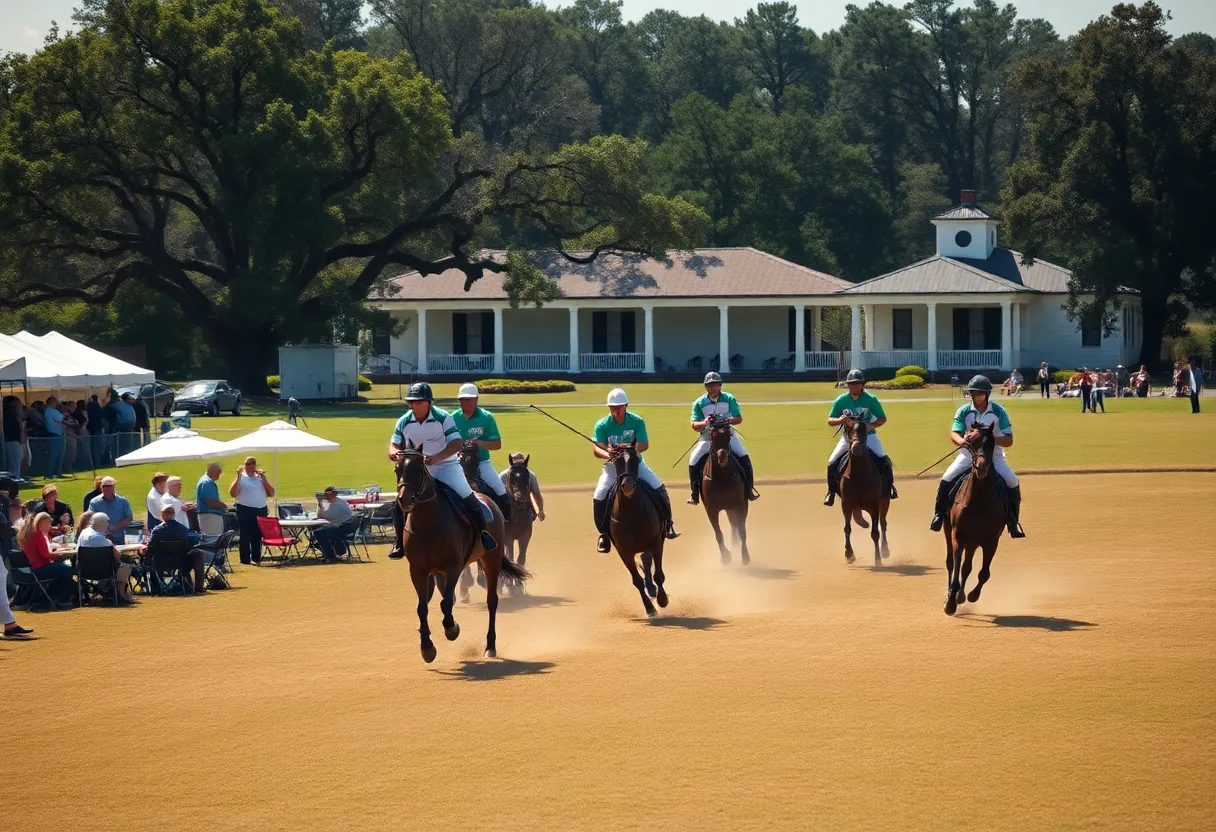
Polo matches are divided into chukkas—short periods of play separated by breaks for rest and adjustment. A typical matchday progression:
- Pre-match warm-up: Horses are exercised, saddled, and briefly schooled near the field.
- Line-up and coin toss: Teams assemble before play begins; logistical details are confirmed.
- Chukkas: Intense bursts of play, with strategic substitutions in between.
- Halftime and intermission: Time for equipment adjustments, hydration, and tactical discussion.
- Post-match: Cool-down routines and veterinary checks to ensure equine welfare.
Match timings and the number of chukkas vary by event level and local rules. Visitors should consult event materials for specific schedules, but arriving at least one hour before kickoff is a reliable practice to enjoy warm-up and settle into viewing areas.
Matchday Rituals and Fan Culture
Matchday rituals in Aiken blend sport and social tradition. Common rituals include:
- Pre-game socializing in designated spectator areas or picnic fields.
- Tailgating or picnic setup near viewing stands, with an emphasis on respectful spacing and cleanliness.
- Polite applause and acknowledgement following exciting plays or a well-executed ride-off.
- Post-match etiquette such as waiting for teams to leave the field before approaching horses.
Visitors often combine a match with onsite food options or bring a picnic. Many spectators enjoy watching both the athleticism on the field and the choreographed activity in the barns before and after play. Photography is popular, but be mindful of restricted areas and always prioritize horse and rider safety over capturing images.
What to Bring and How to Dress
Matchday packing and attire affect comfort and safety. Recommended items include:
- Sun protection: Hat, sunglasses, and sunscreen for outdoor seating.
- Layered clothing: Weather can change; mornings may be cool while afternoons warm up.
- Comfortable, closed-toe footwear for barn tours and moving on varied surfaces.
- Binoculars and a field guide for following play and identifying positions and rules.
- Water and a small first-aid kit for minor needs while outside.
Etiquette and Safety Around Horses
Respect and safety are paramount in and around equestrian environments. Key etiquette points:
- Always ask before approaching or touching a horse; allow the groom to facilitate interaction.
- Move slowly and avoid sudden noises near stables and paddocks.
- Follow signage and staff directions for restricted or hazardous zones.
- Keep pathways clear for loading, unloading, and emergency access.
Access and Accessibility
Facilities vary in layout and accommodation. Some venues provide accessible viewing areas, ramps, and restroom facilities, while others may be more rustic. If accessibility is a concern, inquire ahead about parking, seating options, and assistance services to ensure a comfortable visit.
Photography, Drone Use, and Media Etiquette
Photography is generally welcome in public spectator areas but keep these guidelines in mind:
- Obtain permission before photographing inside barns or stalls.
- Refrain from using flash near horses, which can startle them.
- Drone operations are often restricted due to safety, privacy, and horse sensitivity; check local rules before flying.
How Barn Tours Enhance Understanding
Barn tours are educational opportunities to see the daily realities of horse care and team logistics. A tour typically covers feeding and nutrition, grooming routines, tack preparation, conditioning protocols, and how horses are transported. Tours demystify the sport and provide practical insights into horse husbandry and athletic preparation.
Planning Your Visit: Practical Tips
For a smooth experience:
- Check seasonal calendars to align your visit with matches or open days.
- Book any guided tours in advance if required.
- Arrive early to find parking and enjoy pre-match routines.
- Respect facility rules and local customs to preserve the experience for riders, staff, and other visitors.
Learning Opportunities and Local Resources
Aiken’s equestrian community offers clinics, youth programs, and educational events that deepen understanding of polo and horsemanship. Even for casual visitors, attending a clinic or demonstration can clarify rules, strategies, and the roles of each player on the field.
Conclusion
Experiencing Aiken’s polo season is more than watching a game; it is an immersion into a community where careful horse care, dedicated personnel, and long-lived traditions intersect. From the quiet routines in the barns to the exhilaration in the stands, understanding the mechanics, rituals, and etiquette of matchday helps visitors appreciate the complexity and camaraderie that define polo in this region.
FAQ — Frequently Asked Questions
What is the best time of year to attend polo events in Aiken?
The best time aligns with the local polo season, often during cooler months when horses perform optimally. Check seasonal schedules for specific event dates and peak tournament periods.
Can visitors tour barns and meet the horses?
Many facilities offer barn tours, but access varies. Tours typically require following safety rules, wearing appropriate footwear, and sometimes reserving a spot in advance.
What should I wear to a match or a barn tour?
Dress in layers with comfortable, closed-toe shoes. Include sun protection and avoid loose items that could spook horses. For barn tours, sturdier footwear is recommended.
Are children allowed at polo matches and barn tours?
Children are generally welcome, but adult supervision is required, especially near horses and in barn areas. Some events include family-friendly activities, while others are better suited for older children due to safety concerns.
Is photography allowed at matches and stables?
Photography is usually permitted in spectator areas. Inside barns and restricted zones, permission is required. Avoid flash photography near horses and follow any posted guidelines.
What are typical matchday costs and ticketing options?
Costs vary by event and level. Some matchdays are free public events; others may charge admission. Advance information about ticketing and parking will help with planning.
Matchday Checklist and Typical Timeline
| Time Before Kickoff | Activity | Notes |
|---|---|---|
| 90–60 minutes | Arrival and parking | Find viewing area, set up picnic or seating, visit concession if available |
| 60–30 minutes | Warm-up observation | Watch horses and players prepare; great time for photos from designated areas |
| 30–10 minutes | Line-up and introductions | Teams assemble near the field; final checks and equipment adjustments |
| During match | Chukkas and intermissions | Enjoy play; use breaks to visit restrooms or concessions |
| Post-match | Cool-down and departures | Allow time for horses to cool down before approaching barns; follow exit directions |
Quick Reference: What to Bring
| Item | Why It Helps |
|---|---|
| Closed-toe shoes | Safety in barns and around horses |
| Sun protection (hat, sunscreen) | Comfort during outdoor viewing |
| Water bottle | Hydration, especially on warm days |
| Binoculars | Better view of field action from stands or picnic areas |
| Small trash bag | Keep picnic areas tidy and respect venue rules |

Author: STAFF HERE AIKEN
The AIKEN STAFF WRITER represents the experienced team at HEREAiken.com, your go-to source for actionable local news and information in Aiken, Aiken County, and beyond. Specializing in "news you can use," we cover essential topics like product reviews for personal and business needs, local business directories, politics, real estate trends, neighborhood insights, and state news affecting the area—with deep expertise drawn from years of dedicated reporting and strong community input, including local press releases and business updates. We deliver top reporting on high-value events such as the Aiken Horse Show, Aiken Bluegrass Festival, and polo matches at Whitney Field. Our coverage extends to key organizations like the Aiken Chamber of Commerce and the Aiken County Historical Museum, plus leading businesses in manufacturing and tourism that power the local economy such as Bridgestone and the Aiken County Visitors Center. As part of the broader HERE network, including HEREAiken.com, HEREBeaufort.com, HEREChapin.com, HERECharleston.com, HEREClinton.com, HEREColumbia.com, HEREGeorgetown.com, HEREGreenwood.com, HEREGreenville.com, HEREHiltonHead.com, HEREIrmo.com, HEREMyrtleBeach.com, HERENewberry.com, HERERockHill.com, and HERESpartanburg.com, we provide comprehensive, credible insights into South Carolina's dynamic landscape.