
Aiken, South Carolina, August 16, 2025
Aiken: A First Look at Restaurants, Shops and Startups
Aiken is experiencing a notable period of commercial refreshment as new restaurants, retail locations and entrepreneurial ventures open their doors across the city. This article offers a practical, non-promotional overview of current openings, emerging trends, neighborhood impacts, and useful guidance for residents and visitors who want to explore what’s newly available. The aim is to provide clear, objective information about the types of businesses appearing, how they are changing the local landscape, and what to expect when visiting.
Overview of the Current Wave
Over recent months, several categories of businesses have become more visible: independent restaurants emphasizing local sourcing, specialty food and drink outlets, small-format retail focused on curated goods, and a growing number of startups and coworking spaces appealing to remote workers and creative professionals. These developments are concentrated in and around the city’s central business district, nearby historic corridors, and select commercial strips that provide convenient access to both foot traffic and parking.
The influx is part of a broader pattern seen in many mid-sized cities where quality of life priorities, a desire for walkable retail experiences, and more flexible work models intersect. The new openings are not limited to a single neighborhood, but patterns suggest clustering near transit routes, parks, and the downtown core, creating a renewed sense of local vitality.
Restaurants: Varieties and Dining Experiences
The restaurant scene in Aiken is diversifying. New establishments fall into several recognizable types:
- Farm-to-table and seasonally driven concepts that emphasize regional produce and pantry staples. Expect menus that change with availability and a greater number of vegetarian and plant-forward options than in previous years.
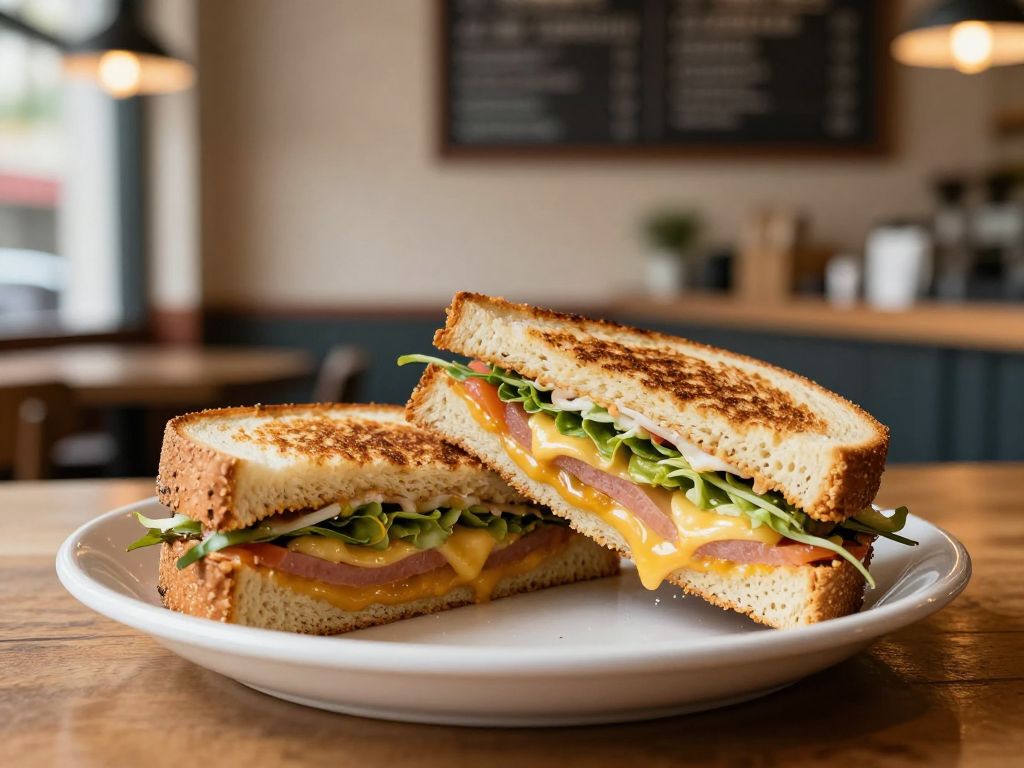
- Casual cafés and specialty bakeries focusing on high-quality coffee, bread, and pastries. These venues often function as neighborhood gathering spots and daytime workspaces.
- Ethnic and fusion eateries presenting global flavors adapted to local palates, offering more variety than traditional restaurant lineups.
- Fast-casual formats providing quick service without sacrificing ingredient quality, appealing to weekday professionals and families.
Practical considerations for diners: many new restaurants recommend or require reservations during peak meal periods, and some operate with limited seating capacity to maintain a particular dining experience. Payment methods are modern and often include contactless options; menus may be available via QR codes. Several venues emphasize sustainable practices, such as composting or reduced single-use packaging.
Shops: Retail Trends and Offerings
Retail openings reflect a curated, specialty-oriented approach rather than large national-chain expansion. New shop types include:
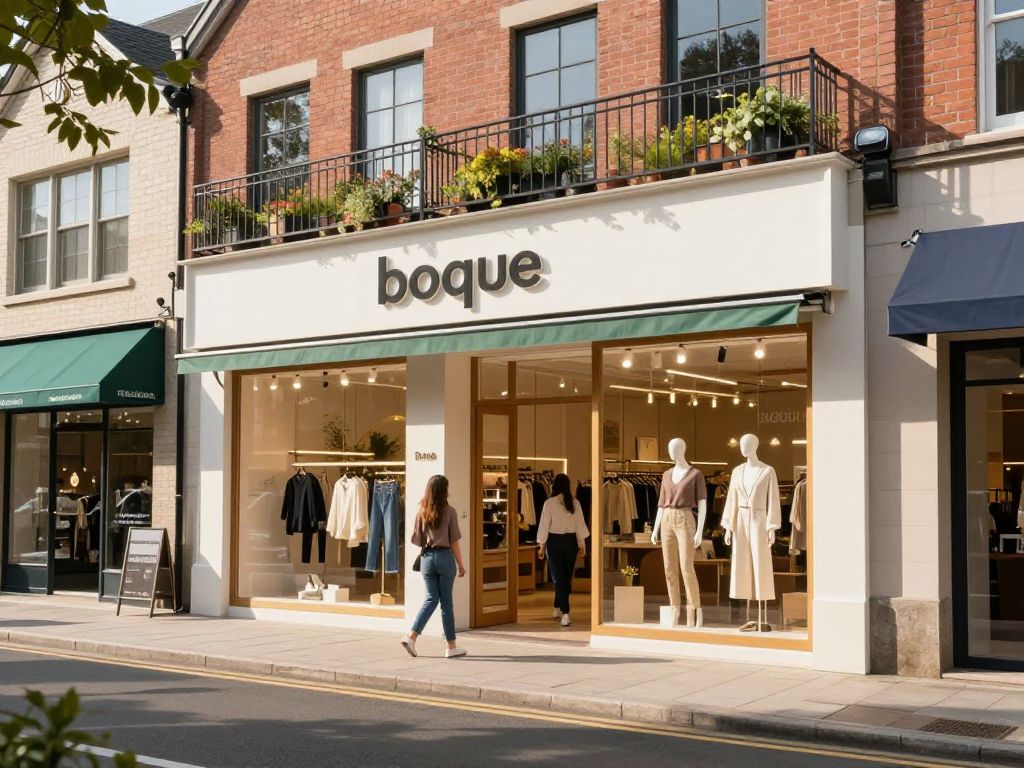
- Independent clothing and accessory boutiques offering locally sourced or small-batch goods.
- Home goods and lifestyle stores with handcrafted, design-forward items.
- Vintage and consignment shops focusing on curated secondhand clothing and furniture.
- Specialty food retailers such as artisanal cheesemongers, spice shops, and markets for regional products.
The retail mix supports a shopping experience oriented toward discovery and local character. Many shops are experimenting with event programming—workshops, pop-ups and collaborative retail events—that animate storefronts and encourage repeat visits. Accessibility features and clear parking information are commonly listed on shop websites or social media pages, making planning visits straightforward.
Startups and Workspaces: A Growing Ecosystem
The startup scene in Aiken is emerging in modest but meaningful ways. New coworking spaces, micro-incubators and small technology service providers are opening to meet the needs of founders, freelancers and remote employees. Characteristics of the local startup ecosystem include:
- Flexible workspace options ranging from dedicated desks to private offices and meeting rooms. These spaces often include high-speed internet, printing services and event rooms suitable for community gatherings.
- Small professional services firms offering marketing, web development and business operations support targeted at local entrepreneurs and small businesses.
- Early-stage ventures concentrated in consumer products, hospitality-related services and regional logistics, reflecting the city’s economic strengths.
For entrepreneurs, the current environment emphasizes lean operations and community collaboration. Access to formal venture capital remains limited compared with larger metro areas, but creative funding paths—local angel investors, microgrants, and community lending—are becoming more visible. Networking events and mentorship programming hosted by coworking spaces help beginners navigate launching and scaling.
Neighborhood Patterns: Where New Businesses Are Locating
New openings are clustering in several distinct areas:
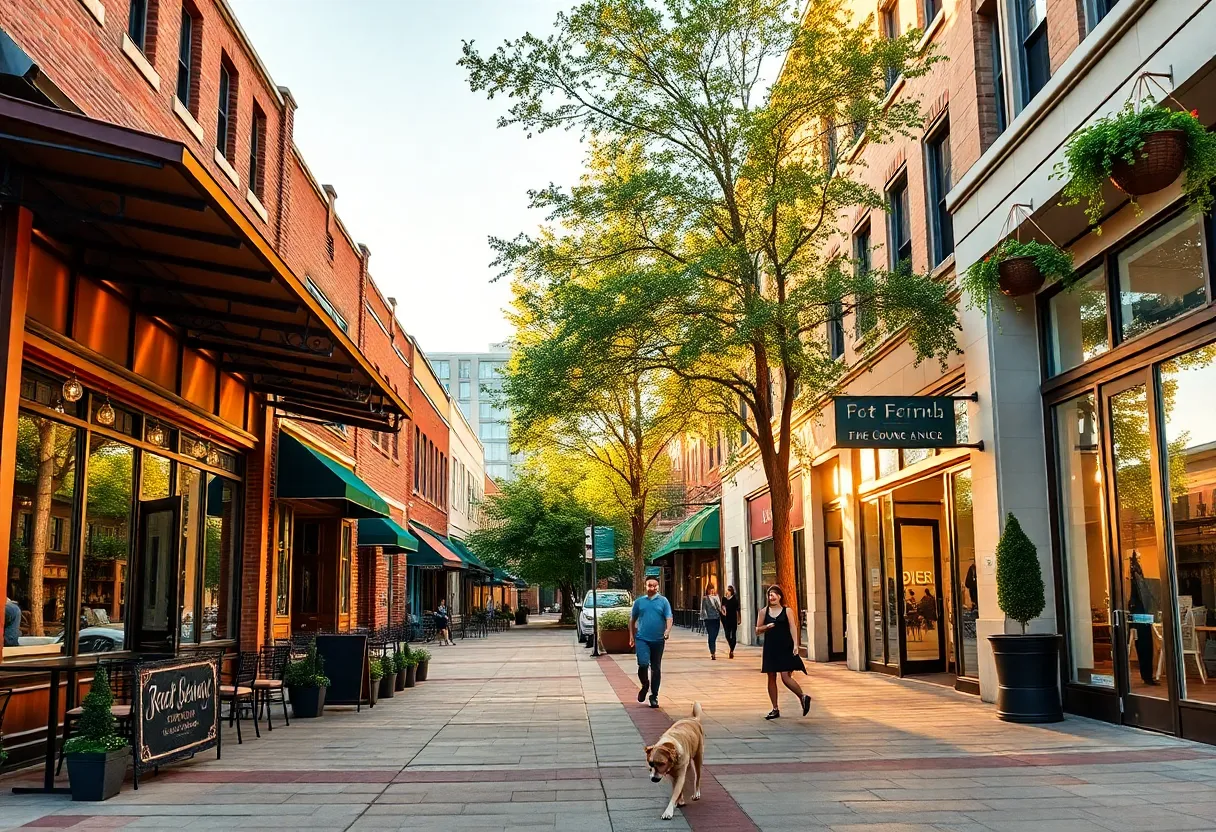
- Downtown core and historic streets, where foot traffic, tourism and local government investment promote business formation.
- Commercial corridors that connect residential neighborhoods to retail services, providing convenience for daily needs.
- Adaptive reuse projects, where older buildings are repurposed for modern retail and office use, retaining architectural character while bringing new activity.
These location choices influence customer experience. Downtown businesses benefit from walkability and a concentration of dining and shopping options; corridor businesses emphasize drivability and accessible parking. Adaptive reuse often results in unique interior spaces but may present limitations for expansion or accessibility upgrades.
Economic and Community Impacts
The arrival of fresh commercial activity affects the local economy in several ways:
- Job creation across service, retail and support sectors, often with roles suitable for a range of experience levels.
- Increased foot traffic benefiting adjacent establishments, creating synergies among dining, retail and service providers.
- Greater variety of consumer choices for residents, which can reduce the need to travel to larger markets for specialty items or experiences.
There are also challenges to monitor, including competition for parking, potential rent increases in popular corridors, and balancing new development with historic preservation and neighborhood character. Local planning efforts and business associations are important partners in managing growth in a way that serves long-term community goals.
Visitor Tips: How to Explore New Openings
To make the most of Aiken’s new dining, shopping and startup offerings, consider these practical tips:
- Plan visits outside peak hours when possible to experience venues more leisurely and reduce wait times.
- Check business websites or social media for current hours, reservation policies, and any special events that could affect availability.
- Use public parking maps or on-street parking information to avoid surprises; some areas offer timed parking that turnover supports retail activity.
- Be prepared for menu or inventory changes at early-stage businesses; limited-run items and rotating offerings are common.
How to Support Emerging Local Businesses
Support can take many forms beyond monetary transactions. Useful actions include:
- Offering constructive feedback and reviews that help businesses refine operations.
- Attending community events or workshops hosted by new shops and coworking spaces.
- Sharing information about positive experiences with friends and social networks to help awareness grow organically.
These practices contribute to a robust local ecosystem and can be especially impactful for startups that rely on early adopters and word-of-mouth.
What to Watch Next
In the months ahead, expect the landscape to continue evolving. Indicators to monitor include announcements of second locations, adaptive reuse projects completing renovations, and new collaborative initiatives between businesses and community organizations. Regulatory changes related to outdoor dining, signage or small business support programs could further shape how these openings perform and expand.
Conclusion
Aiken’s newest openings reflect a blend of culinary experimentation, curated retail and early-stage entrepreneurial energy. The result is a more varied and engaging local economy that supports both daily conveniences and destination experiences. Whether visiting for a meal, shopping excursion, or to connect with local innovators, the city offers a growing set of options worth exploring with a little planning and curiosity.
Frequently Asked Questions
Which neighborhoods in Aiken are seeing the most new openings?
New businesses are most visible in the downtown core, along primary commercial corridors that link residential areas to retail and near adaptive reuse projects that convert older buildings into modern commercial spaces.
Are the new restaurants focused on any particular cuisine?
The new dining establishments are diverse, with a notable presence of seasonally driven, farm-sourced menus, specialty cafés and bakeries, and several venues offering ethnic or fusion cuisine adapted to local tastes.
What types of startups are appearing locally?
Startups include small technology and service firms, consumer product ventures, and businesses linked to hospitality and logistics. Coworking and flexible office providers support this activity by offering workspace and community events.
How can visitors find up-to-date information on hours and reservations?
Visitors should consult business websites and social media channels for current hours, reservation policies, and event announcements. Many businesses update these channels frequently to reflect menu or inventory changes.
What should residents consider when supporting new local businesses?
In addition to patronizing new establishments, residents can provide constructive feedback, participate in local events, and share positive experiences to help businesses gain visibility and refine operations.
Quick Reference Table: What to Expect from New Openings
| Category | What to Expect | Typical Price Range | Best Time to Visit | Practical Tip |
|---|---|---|---|---|
| Restaurants | Seasonal menus, locally sourced ingredients, rotating specials, limited seating | $ – $$ (casual to moderate) | Weekday lunch or early dinner for shorter waits | Check reservation policy and outdoor dining options |
| Cafés & Bakeries | High-quality coffee, baked goods, daytime workspace-friendly | $ (affordable) | Mid-morning to early afternoon | Bring a device if you need to work; confirm Wi-Fi availability |
| Retail & Boutiques | Curated goods, small-batch items, occasional pop-ups and events | $$ – $$$ (varies by product) | Late morning to mid-afternoon on weekdays | Look for event calendars or pop-up schedules |
| Services & Wellness | Personal care, fitness studios, specialty therapy and classes | $$ – $$$ (per session or membership) | Evenings and weekends for classes | Book appointments ahead; ask about trial classes |
| Startups & Coworking | Flexible workspace, event programming, small business services | $$ (membership or day passes) | Weekdays during business hours | Tour spaces to confirm amenities and community fit |

Author: STAFF HERE AIKEN
The AIKEN STAFF WRITER represents the experienced team at HEREAiken.com, your go-to source for actionable local news and information in Aiken, Aiken County, and beyond. Specializing in "news you can use," we cover essential topics like product reviews for personal and business needs, local business directories, politics, real estate trends, neighborhood insights, and state news affecting the area—with deep expertise drawn from years of dedicated reporting and strong community input, including local press releases and business updates. We deliver top reporting on high-value events such as the Aiken Horse Show, Aiken Bluegrass Festival, and polo matches at Whitney Field. Our coverage extends to key organizations like the Aiken Chamber of Commerce and the Aiken County Historical Museum, plus leading businesses in manufacturing and tourism that power the local economy such as Bridgestone and the Aiken County Visitors Center. As part of the broader HERE network, including HEREAiken.com, HEREBeaufort.com, HEREChapin.com, HERECharleston.com, HEREClinton.com, HEREColumbia.com, HEREGeorgetown.com, HEREGreenwood.com, HEREGreenville.com, HEREHiltonHead.com, HEREIrmo.com, HEREMyrtleBeach.com, HERENewberry.com, HERERockHill.com, and HERESpartanburg.com, we provide comprehensive, credible insights into South Carolina's dynamic landscape.