
Aiken, South Carolina, January 7, 2026
Aiken, South Carolina, is on the verge of a promising new year with anticipated growth for its business sector. Local leaders are actively shaping an environment that supports resilience and new ventures. Economic indicators such as GDP and population growth reflect a positive outlook, and initiatives to foster entrepreneurship and develop strategic partnerships are in place to ensure continued success for Aiken’s economy.
Aiken’s 2026 Business Forecast: Innovation & Growth on the Horizon
Aiken, South Carolina, stands at the threshold of a promising new year, with its business community poised for continued growth and innovation. Local leaders and entrepreneurs are actively shaping an environment that champions resilience, fosters new ventures, and capitalizes on strategic investments. The outlook for 2026 suggests a blend of sustained economic development, fueled by the determined spirit of Aiken SC business owners and the strategic foresight of community planners.
The vitality of a local economy often springs from the ingenuity of its people and the supportive frameworks that allow them to flourish. In Aiken, there’s a clear emphasis on nurturing this ecosystem, recognizing the critical role that South Carolina entrepreneurs and Aiken small business initiatives play in overall economic prosperity. By focusing on smart growth and collaborative efforts, the city and county are working to enhance opportunities and solidify Aiken’s position as a vibrant hub in the Midlands economic growth landscape.
Economic Performance and Trends in Aiken County
Aiken County continues to be a significant contributor to the state’s economic landscape. In 2022, Aiken County’s Gross Domestic Product (GDP) reached $9 billion, positioning it as the 11th highest among South Carolina’s 46 counties. This figure represented 2.9% of the state’s total GDP, which was $298 billion in the same year. The county experienced an inflation-adjusted GDP growth of approximately 3% from 2018 to 2022, while the state’s GDP grew by about 8% during the same period.
Population trends also reflect positive momentum for Aiken. The population of Aiken, SC, is projected to reach 33,216 by 2024, showing an annual growth rate of 0.82% and a total increase of 3.35% in recent years. Since 2010, the city’s population has increased by over 10%, indicating a consistent appeal for new residents. Broader Aiken County saw its population grow to 171,949 in 2023, representing a 1.23% increase over the previous year. The median household income in Aiken County also experienced a substantial 7.48% increase, reaching $67,940 in 2023, while the median property value rose by 9.74% to $199,500. The homeownership rate in Aiken County stands at 76.7%, higher than the national average. These statistics underscore a robust local economy and a desirable living environment, fostering stability for the Aiken County economy.
The state’s overall economic picture shows stabilization, with South Carolina’s unemployment rate at 3%, a notable improvement from its peak of 11.7% during the pandemic in April 2020. Aiken County’s average annual unemployment rate was 3.4% in 2023. While the Lower South Atlantic region, which includes South Carolina, saw its growth slow to 1.7% in 2025 from 2.8% in the preceding year, regional forecasts anticipate positive, albeit slower, growth. For 2026, economic growth in the broader region is expected to be around 1.5%, with inflation potentially peaking at approximately 3.5% before receding in 2027.
Fostering Entrepreneurship and Small Business Success
Aiken’s environment is uniquely supportive of entrepreneurs and Aiken small business ventures, characterized by strong local leadership, a loyal customer base, affordability, and a network of supportive organizations. Organizations like SCORE Greater Aiken exemplify this commitment, having mentored 355 entrepreneurs and small business owners through 650 client meetings in 2025. They provide invaluable resources, including free business advice, training, and tools, drawing on the experience of volunteer mentors who are seasoned professionals and entrepreneurs.
Further bolstering the entrepreneurial landscape is the Aiken Business Coalition Entrepreneurship (ABCEP) Program. This initiative, a collaborative effort involving the City of Aiken, Umoja Village, Security Federal Bank, the Greater Augusta Black Chamber of Commerce, and the Aiken County Branch of the National Association for the Advancement of Colored People (NAACP), empowers entrepreneurs with training, micro grants, and loans. These programs are crucial for cultivating a thriving community of innovative entrepreneurs who contribute significantly to Aiken’s economic growth.
Innovation is also actively encouraged through events such as the “No Boundaries Startup Pitch Contest,” hosted by the Aiken Chamber of Commerce. This event, held in April 2025, aims to propel innovative business ideas across the Greater Aiken-Augusta region by fostering collaboration and investment. Partnerships with organizations like the South Carolina Research Authority (SCRA), Make Startups, theClubhou.se, and Wells Fargo underscore a shared commitment to empowering entrepreneurs and driving regional economic growth. The SCRA itself is a state-chartered organization dedicated to fueling innovation statewide through funding, mentorship, and partnerships for tech-based startups and academic research.
Local success stories highlight the impact of this supportive environment. For instance, an Aiken entrepreneur launched a fantasy sports consulting firm to assist startups and small companies in the rapidly expanding fantasy sports industry. This sector is projected to reach approximately $50 billion in global revenue by 2028 and $70 billion by 2030, largely driven by technological advancements. South Carolina startups are actively engaged in diverse sectors such as manufacturing technology, logistics, health innovation (particularly mental health), agriculture, and financial services, serving both regional and national markets. Post-funding, these startups typically prioritize hiring operations and engineering staff, enhancing internal processes, developing new products, expanding sales into new geographic regions, and strengthening security and compliance systems.
Strategic Investments and Community Partnerships Driving Growth
Aiken County is proactively attracting new industries through strategic investments and community partnerships. The Aiken County Council has approved incentives for an economic development plan that includes Hollingsworth GP’s initiative to construct speculative industrial buildings in the Sage Mill Industrial Park, located in the Graniteville/Vaucluse area. This plan envisions the eventual development of nine buildings, addressing the region’s need for readily available industrial space.
Major companies are also showing interest in expansion. Kimberly-Clark Corporation is seeking a zoning change for 965 acres in the Beech Island area from Rural Development to Industrial Development, a site where their plant has been in operation since 1968.
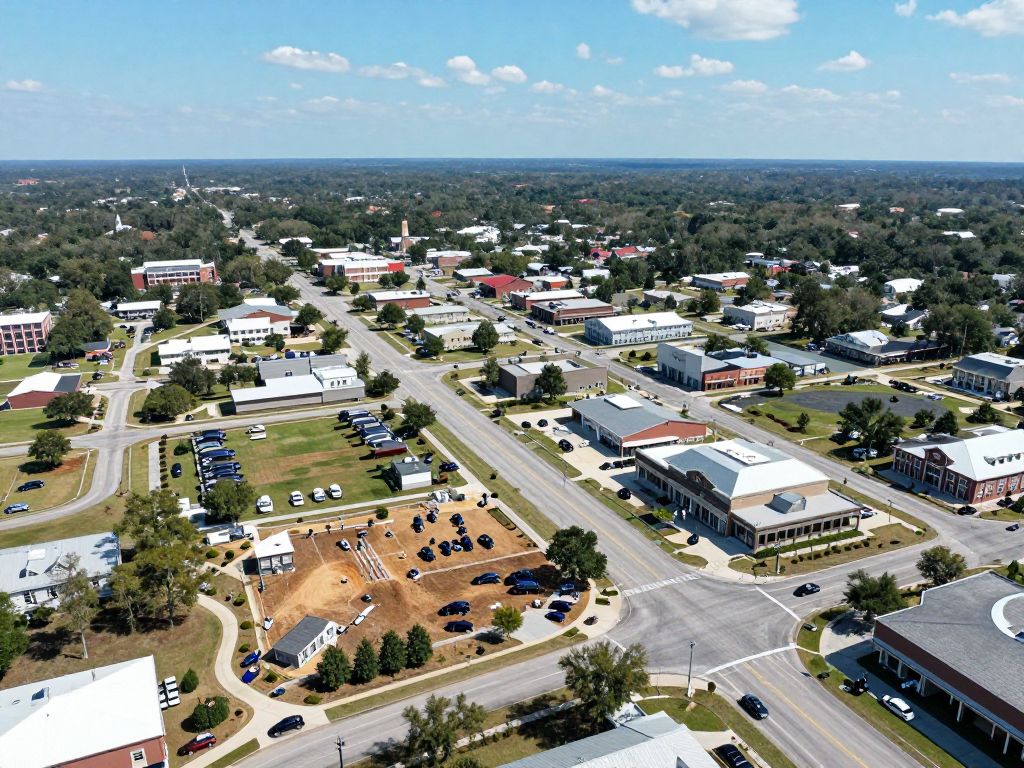
Local community development projects are transforming Aiken’s landscape. The redevelopment of the former Aiken Mall site into Aiken Towne Park is underway, slated to feature a walking trail, a park, and a new restaurant, enhancing public spaces and local commerce. Additionally, the historic Vaucluse Mill is being revitalized into modern apartments through the Vaucluse Mill Lofts project, backed by a $31 million FHA loan, with a groundbreaking in October 2025.
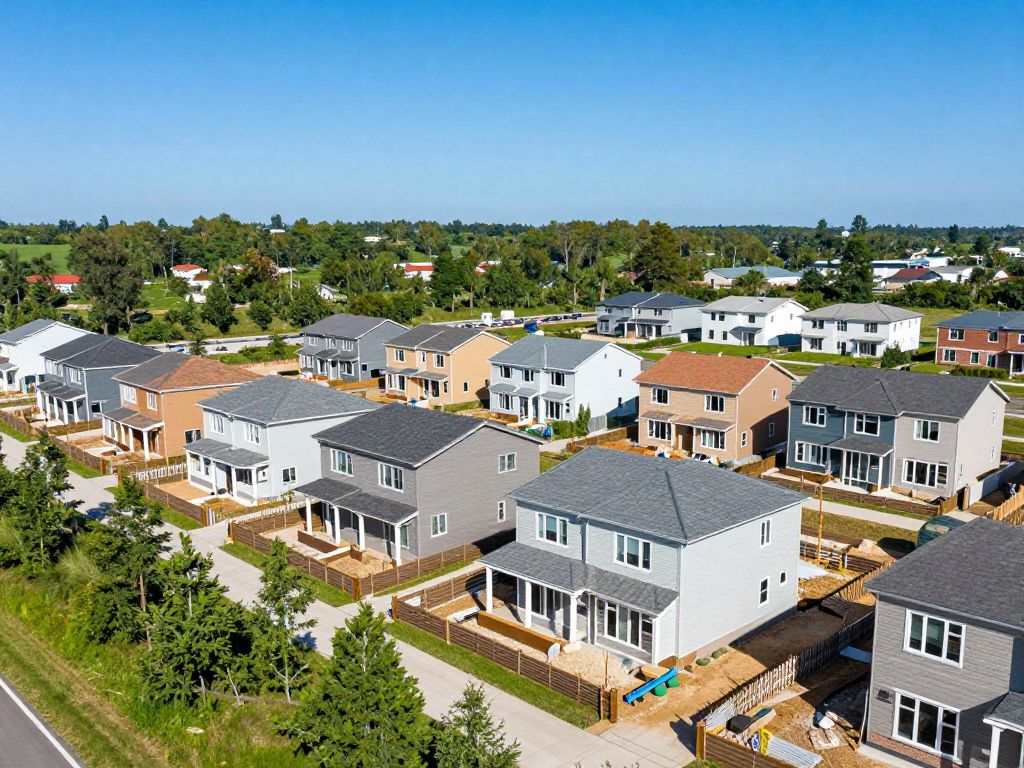
Aiken County Council Chairman Gary Bunker recently outlined ambitious goals for 2026, focusing on maintaining a strong financial position, reducing county debt, updating the County Code for unfit dwellings, exploring Tax Increment Financing districts, and initiating right-of-way acquisitions to alleviate traffic congestion. These efforts are part of Aiken County’s Comprehensive Plan for 2025-2035, a guiding framework for future development that considers public and private investment in housing, economic development, recreation, cultural resources, and transportation over the next two decades. A significant number of new housing developments, totaling 4,492 units, are planned between Richland Avenue and Interstate 20, potentially adding over 10,000 residents and including a focus on “affordable housing” and “workforce housing.”
The Role of Limited Regulation in Economic Vitality
The conversation around fostering economic growth often highlights the impact of regulation. Research indicates that the accumulation of federal regulations can have significant economic consequences at the state level. Between 1997 and 2015, the growth of federal regulations impacting South Carolina was associated with an increase of 77,414 people living in poverty, a 2.3% rise in income inequality, the loss of 129 businesses annually, 1,689 fewer jobs each year, and a 7.35% increase in consumer prices. More recent data covering 1997 to 2017 points to an association with 84,042 more people in poverty and a 2.75% increase in income inequality within the state.
South Carolina is currently ranked 35th out of 44 states in terms of the volume of state-level regulations, where a lower ranking signifies a more burdensome regulatory environment. The research consistently links a greater regulatory burden with increased poverty rates, higher income inequality, reduced entrepreneurship, and elevated consumer prices. Experts suggest that regulatory accumulation can slow national economic growth by nearly one percentage point annually by distorting business investment decisions, which are key drivers of innovation and productivity growth. Conversely, a reduction in regulatory requirements could significantly boost economic expansion; a 25% reduction in red tape, for instance, could increase state-level real GDP growth by 0.7 percentage points annually.
The impact of regulations extends to occupational licensing. The Institute of Justice reports that approximately one in five workers in South Carolina must hold an occupational license, with the average license for low- to moderate-income jobs requiring 428 days of education and experience. This burden is estimated to lead to 17,000 fewer jobs and an economic loss of up to $1.57 billion across the state. For Aiken small business owners and entrepreneurs across the state, navigating a complex web of regulations can be particularly challenging, as federal regulations alone can cost businesses nationwide upwards of $12,000 per employee. These insights underscore the potential benefits of thoughtfully examining and streamlining regulatory frameworks to further unleash entrepreneurial spirit and foster broader economic growth in Aiken and across South Carolina.
Conclusion
Aiken is demonstrating a robust and forward-thinking approach to economic development as it looks towards 2026. Through dedicated community leaders, innovative entrepreneurs, and strategic public-private partnerships, the city and county are building on a foundation of resilience and growth. The focus on supporting Aiken SC business, particularly its small businesses and burgeoning startups, is creating a dynamic environment for job creation and personal achievement. The ongoing dialogue surrounding the benefits of limited and streamlined regulation further underscores a commitment to fostering a competitive and accessible market for all. Residents and businesses alike are encouraged to engage with local initiatives, support their neighbors, and remain active participants in shaping Aiken’s prosperous economic future.
By investing in local talent, encouraging innovation, and judiciously managing regulatory burdens, Aiken is not just preparing for the future; it is actively building it. The collective efforts of the community, from individual entrepreneurs to county leadership, are paving the way for sustained Midlands economic growth and a thriving local landscape.
Frequently Asked Questions
- What is the projected population for Aiken, SC in 2024?
- The population of Aiken, SC, is projected to reach 33,216 by 2024.
- How much did Aiken County’s GDP grow between 2018 and 2022?
- Aiken County’s GDP grew about 3% from 2018 to 2022, adjusted for inflation.
- What is the average annual unemployment rate in Aiken County for 2023?
- Aiken County’s average annual unemployment rate was 3.4% in 2023.
- What is the purpose of the Aiken Business Coalition Entrepreneurship (ABCEP) Program?
- The Aiken Business Coalition Entrepreneurship (ABCEP) Program empowers entrepreneurs with training and micro grants and loans.
- What kind of projects is Hollingsworth GP planning in Sage Mill Industrial Park?
- Hollingsworth GP’s plan is to construct speculative industrial buildings on several pieces of property in Sage Mill Industrial Park, with a plan for eventual nine buildings.
- What are some of Aiken County Council’s goals for 2026?
- Aiken County Council Chairman Gary Bunker outlined 2026 goals focusing on finances, economic development, and capital projects. This includes maintaining a strong financial position, reducing debt, updating the County Code for unfit dwellings, exploring Tax Increment Financing districts, and initiating right-of-way acquisitions for traffic congestion projects.
- How many new housing units are planned for Aiken between Richland Avenue and Interstate 20?
- There are 4,492 new housing units planned for Aiken between Richland Avenue and Interstate 20.
- What impact do federal regulations have on South Carolina’s economy?
- The impact of federal regulations from 1997 to 2015 on the South Carolina economy is associated with 77,414 people living in poverty, 2.3% higher income inequality, 129 fewer businesses annually, 1,689 lost jobs annually, and 7.35% higher prices.
Key Features of Aiken’s 2026 Business Outlook
| Feature | Description | Scope |
|---|---|---|
| Aiken County GDP (2022) | $9 billion, 11th highest in state. | County-level |
| Aiken County GDP Growth (2018-2022) | Approximately 3% (adjusted for inflation). | County-level |
| Aiken SC Projected Population (2024) | 33,216. | City-level |
| Aiken County Unemployment Rate (2023) | 3.4% average annual. | County-level |
| South Carolina Unemployment Rate | 3%. | State-level |
| Small Business Support | SCORE Greater Aiken mentored 355 entrepreneurs in 2025. | Local/Regional |
| Entrepreneurship Program | Aiken Business Coalition Entrepreneurship (ABCEP) Program offers training, grants, and loans. | Local |
| Industrial Development | Hollingsworth GP plans 9 speculative industrial buildings in Sage Mill Industrial Park. | County-level |
| Housing Development | 4,492 new housing units planned between Richland Avenue and Interstate 20. | City-level |
| Impact of Federal Regulations (SC, 1997-2015) | Associated with 77,414 people in poverty, 2.3% higher income inequality, 129 fewer businesses annually, 1,689 lost jobs annually, and 7.35% higher prices. | State-level |
Deeper Dive: News & Info About This Topic
HERE Resources
Aiken County Inspired by Augusta’s Community Innovation Award
Aiken Realtors Celebrate Vision & Drive
Aiken Schools Chart Future with Community Input
Aiken’s Festivals: Fueling Community & Local Growth
Augusta Faces Challenges in Job Market for 2026
Aiken Tech’s Marketing Office Earns State and Regional Accolades
New Leadership at Columbia County Chamber of Commerce
Aiken’s Local Pulse: Community Engagement in the CSRA
Aiken’s Active Tuesday: Community Engagement Thrives
Bridge Repair Boost for Aiken Connectivity

Author: STAFF HERE AIKEN
The AIKEN STAFF WRITER represents the experienced team at HEREAiken.com, your go-to source for actionable local news and information in Aiken, Aiken County, and beyond. Specializing in "news you can use," we cover essential topics like product reviews for personal and business needs, local business directories, politics, real estate trends, neighborhood insights, and state news affecting the area—with deep expertise drawn from years of dedicated reporting and strong community input, including local press releases and business updates. We deliver top reporting on high-value events such as the Aiken Horse Show, Aiken Bluegrass Festival, and polo matches at Whitney Field. Our coverage extends to key organizations like the Aiken Chamber of Commerce and the Aiken County Historical Museum, plus leading businesses in manufacturing and tourism that power the local economy such as Bridgestone and the Aiken County Visitors Center. As part of the broader HERE network, including HEREAiken.com, HEREBeaufort.com, HEREChapin.com, HERECharleston.com, HEREClinton.com, HEREColumbia.com, HEREGeorgetown.com, HEREGreenwood.com, HEREGreenville.com, HEREHiltonHead.com, HEREIrmo.com, HEREMyrtleBeach.com, HERENewberry.com, HERERockHill.com, and HERESpartanburg.com, we provide comprehensive, credible insights into South Carolina's dynamic landscape.