
Augusta, Georgia, February 19, 2026
The Golden Blocks of Augusta, Georgia, embody a powerful narrative of Black entrepreneurship and community resilience during segregation. These historic neighborhoods fostered a thriving network of Black-owned businesses, serving as social and economic anchors. The legacy of these thriving enterprises continues to inspire contemporary economic growth in both Augusta and nearby Aiken, emphasizing the importance of local businesses and community support.
Augusta’s Golden Blocks: A Legacy of Entrepreneurship and Community Resilience
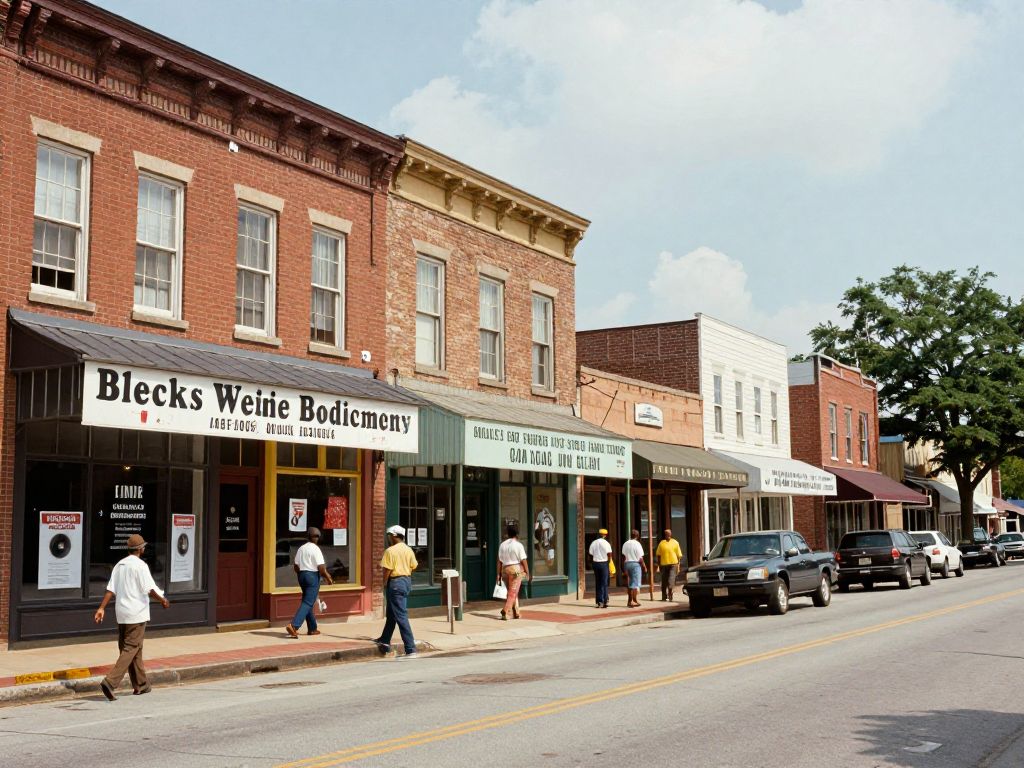
In the vibrant tapestry of the Central Savannah River Area, stories of entrepreneurial spirit and community resilience echo through history, offering invaluable insights for contemporary Aiken SC business and regional economic growth. Just across the Savannah River, in Augusta, Georgia, one such narrative unfolds within the historic Laney-Walker and Bethlehem neighborhoods, often revered as the “Golden Blocks.” This area served as the thriving heart of Augusta’s Black business community during an era of segregation, a testament to determination and self-reliance in the face of systemic challenges.
The spirit that fueled these businesses, much like the emblematic Tasty Shop that once anchored a corner of Laney-Walker Boulevard, provides a powerful historical blueprint. It highlights how local entrepreneurs, through innovation and collective effort, built robust economic and social infrastructures that not only sustained their community but also fostered profound personal achievement. For South Carolina entrepreneurs looking to understand the enduring power of small businesses, Augusta’s Golden Blocks offer a compelling lesson in creating opportunity and prosperity from within.
The Golden Blocks: Forging Economic Independence
During a period marked by profound racial segregation and discriminatory policies such as “Red Line” housing practices, which often prevented citizens in predominantly non-white areas from receiving bank mortgages, Augusta’s Black community cultivated an impressive network of self-sustaining enterprises. The Laney-Walker and Bethlehem neighborhoods became a vital economic hub, a bulwark against the limitations imposed by Jim Crow laws that allowed businesses elsewhere to discriminate against Black patrons.
Within these “Golden Blocks,” Black-owned banks, insurance companies, theaters, and a variety of retail establishments flourished, working collectively to counteract pervasive discrimination and build a strong sense of community. This era demonstrates the innate drive for economic freedom and the capacity of private investment, even in constrained circumstances, to create local prosperity and opportunity. This ethos of self-reliance and community-driven development offers a historical parallel for fostering Midlands economic growth today.
More Than Commerce: The Heartbeat of a Community
Establishments within the Golden Blocks, such as the storied Tasty Shop, were much more than mere commercial ventures. They served as indispensable social anchors and safe havens where community members could gather, share news, and build connections free from the indignities of segregation. These businesses were integral to the daily lives of residents, providing not only essential goods and services but also fostering a profound sense of belonging and mutual support. This communal aspect underscores the multifaceted value of Aiken small business beyond just economic transactions, recognizing their role in strengthening social fabric.
The collective success of these ventures was built upon the resilience and determination of numerous individuals who, despite facing immense barriers, demonstrated remarkable ingenuity. Their efforts created an environment where personal achievement was celebrated and where the community actively supported its own enterprises, ensuring resources circulated within the neighborhood. This model of internal economic development and mutual support remains a powerful example of how local economies can be bolstered through conscious community engagement.
Innovation Amidst Adversity
The entrepreneurs of Augusta’s Golden Blocks consistently found innovative solutions to meet their community’s needs, developing a self-sufficient ecosystem when mainstream services were often inaccessible or unwelcoming. Historical records reveal the establishment of institutions like The Penny Savings and Loan Bank and Burruss Sanitarium, alongside numerous other Black-owned businesses. These enterprises provided crucial financial, healthcare, and retail services, showcasing an impressive degree of entrepreneurial innovation and adaptability.
This period illustrates how, in the absence of equitable access and support from broader governmental or financial structures, private initiative and community collaboration can fill critical gaps. The ability of these businesses to thrive under such conditions underscores the fundamental advantages of fostering an environment where entrepreneurial spirit is encouraged, and where local solutions can emerge organically to address community needs.
A Lasting Legacy and Modern-Day Inspiration
The legacy of Augusta’s Golden Blocks continues to shape the city’s identity and offers valuable lessons for regional economic development, including insights for Aiken SC business owners. Efforts like the “Golden Blocks Project,” spearheaded by the Lucy Craft Laney Museum of Black History and the Greater Augusta Arts Council, actively commemorate this rich history through public art and guided tours. These initiatives not only preserve the stories of past generations but also inspire current and future entrepreneurs by showcasing the enduring power of community-driven growth and innovation.
The history of the Golden Blocks is a powerful reminder that robust local economies are often built on the foundations of individual ambition, strong community bonds, and the freedom for entrepreneurs to innovate and serve their neighbors. As we look to foster continued economic vitality across the region, including Aiken, the insights from Augusta’s past emphasize the importance of championing local enterprises, encouraging private investment, and recognizing the profound impact of businesses that are deeply rooted in their communities.
Conclusion
The story of Augusta’s Golden Blocks and the businesses that formed its core, such as the exemplary Tasty Shop, serves as a compelling narrative of resilience, self-determination, and the remarkable power of local entrepreneurship. In an era of segregation, these ventures not only provided essential services but also forged the very heartbeat of a vibrant and self-reliant community. Their enduring legacy underscores that fostering a supportive environment for small businesses and encouraging community investment are key drivers of sustainable economic growth and vibrant neighborhoods, lessons that resonate strongly for Aiken SC business and the broader region today.
We encourage our readers in Aiken and across the Midlands to reflect on these historical lessons and consider how their support for local enterprises can contribute to a similarly resilient and thriving economic future. Engage with your local businesses, celebrate their achievements, and actively participate in the ongoing dialogue about our community’s economic direction.
Frequently Asked Questions
What were the “Golden Blocks” in Augusta, Georgia?
The “Golden Blocks” was a nickname for the historic Laney-Walker and Bethlehem neighborhoods in Augusta, Georgia. During the era of segregation, this area served as the thriving heart of Augusta’s Black business community.
What kind of businesses operated in the Golden Blocks?
In the Golden Blocks, Black-owned banks, insurance companies, theaters, and other businesses worked to offset discrimination and thrived. These included establishments like The Penny Savings and Loan Bank and Burruss Sanitarium.
How did businesses in the Golden Blocks, like The Tasty Shop, impact the segregated community?
Businesses in the Golden Blocks were essential social anchors and safe havens, providing essential goods and services while fostering a strong sense of community. They served as vital hubs where community members could gather and connect.
What challenges did entrepreneurs in the Golden Blocks face?
Entrepreneurs in the Golden Blocks faced systemic challenges including racial segregation, discriminatory “Red Line” housing policies, and Jim Crow era laws that allowed businesses elsewhere to discriminate against Black patrons.
Are there ongoing efforts to commemorate the history of the Golden Blocks?
Yes, the “Golden Blocks Project,” spearheaded by the Lucy Craft Laney Museum of Black History and the Greater Augusta Arts Council, commemorates this history through public art and guided tours.
Key Features of Augusta’s Golden Blocks
| Feature | Description | Impact on Community |
|---|---|---|
| Location | Historic Laney-Walker and Bethlehem neighborhoods in Augusta, Georgia. | Central hub for Black economic and social life during segregation. |
| Business Types | Diverse range including Black-owned banks, insurance companies, theaters, and various retail establishments. | Provided essential services and created a self-sustaining economy. |
| Social Role | Businesses served as indispensable social anchors and safe havens. | Fostered a strong sense of community, belonging, and mutual support. |
| Challenges Faced | Racial segregation, “Red Line” policies, and Jim Crow laws. | Necessitated internal economic development and entrepreneurial innovation. |
| Legacy | Commemorated by projects like the “Golden Blocks Project” by the Lucy Craft Laney Museum of Black History. | Inspires contemporary economic growth and community development. |
Deeper Dive: News & Info About This Topic
HERE Resources

Author: STAFF HERE AIKEN
The AIKEN STAFF WRITER represents the experienced team at HEREAiken.com, your go-to source for actionable local news and information in Aiken, Aiken County, and beyond. Specializing in "news you can use," we cover essential topics like product reviews for personal and business needs, local business directories, politics, real estate trends, neighborhood insights, and state news affecting the area—with deep expertise drawn from years of dedicated reporting and strong community input, including local press releases and business updates. We deliver top reporting on high-value events such as the Aiken Horse Show, Aiken Bluegrass Festival, and polo matches at Whitney Field. Our coverage extends to key organizations like the Aiken Chamber of Commerce and the Aiken County Historical Museum, plus leading businesses in manufacturing and tourism that power the local economy such as Bridgestone and the Aiken County Visitors Center. As part of the broader HERE network, including HEREAiken.com, HEREBeaufort.com, HEREChapin.com, HERECharleston.com, HEREClinton.com, HEREColumbia.com, HEREGeorgetown.com, HEREGreenwood.com, HEREGreenville.com, HEREHiltonHead.com, HEREIrmo.com, HEREMyrtleBeach.com, HERENewberry.com, HERERockHill.com, and HERESpartanburg.com, we provide comprehensive, credible insights into South Carolina's dynamic landscape.