
Aiken, South Carolina, August 19, 2025
Aiken, South Carolina — Aiken Road Closures: What Local Businesses Need to Know
Road closures in Aiken can disrupt customer access, employee commuting, and supply chains. This guide helps local businesses understand typical closure scenarios, anticipate operational impacts, communicate effectively with stakeholders, and implement practical mitigation strategies. It focuses on actionable steps that can reduce revenue loss and limit disruption while closures are in effect.
Understanding Why Roads Close
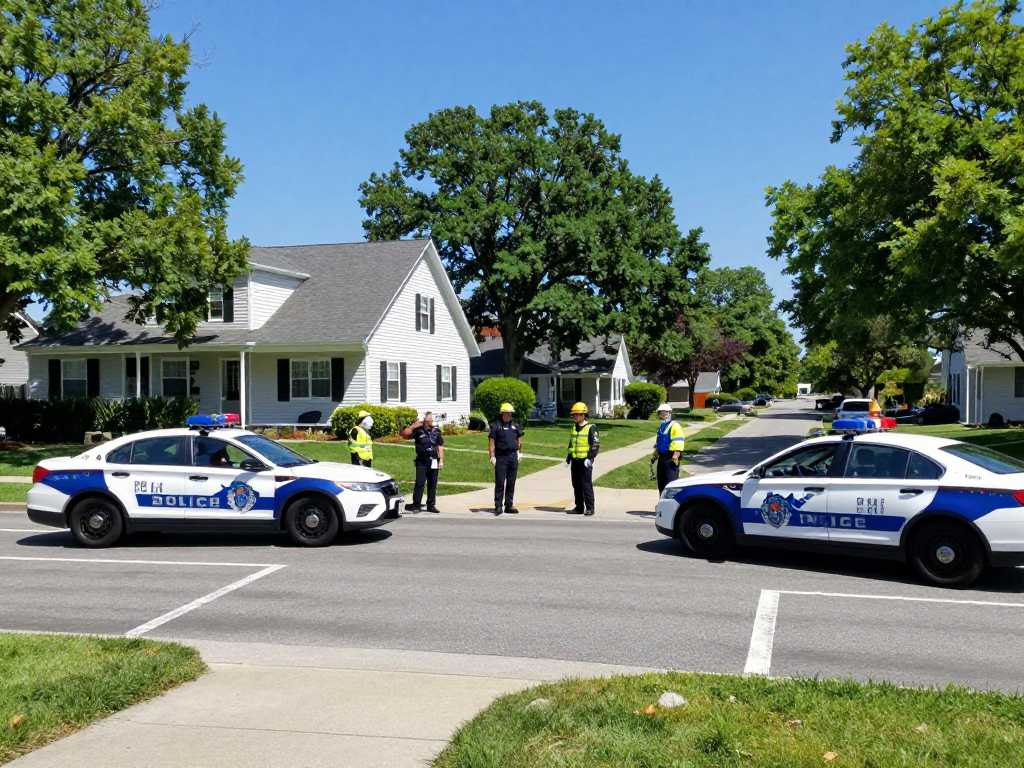
Roads close for many reasons, and understanding the cause helps businesses respond appropriately. Common causes include planned construction and maintenance, utility work, special events, emergency incidents, and temporary safety closures. Each cause has different predictability and duration.
- Planned construction and maintenance — projects scheduled in advance, with the possibility of multi-day or multi-week closures.
- Utility work — trenches or repairs for water, sewer, gas, or fiber that may require partial or full closures.
- Special events — parades, festivals, or races that create temporary but dense disruption on specific dates.
- Emergency incidents — accidents, hazardous spills, or weather damage that cause sudden and unpredictable closures.
Types of Road Closures and Business Impact
Not all closures affect businesses the same way. Recognizing the type helps determine the right response.
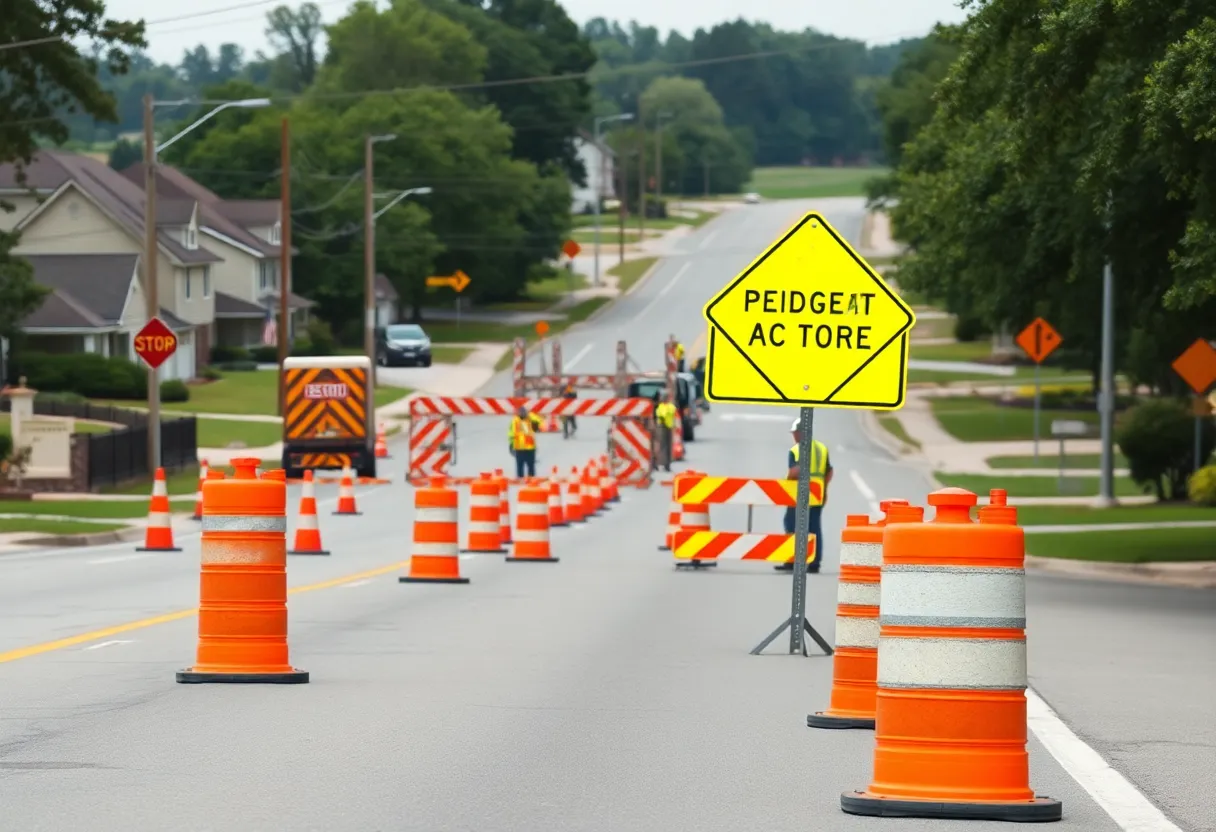
- Full closure — no through-traffic; often requires alternative access planning for customers and deliveries.
- Partial or lane closure — reduces capacity and can cause backups but may allow local access.
- Periodic/rolling closures — short, repeated closures that can be disruptive if timed during peak business hours.
- Sidewalk-only closure — affects foot traffic and accessibility, important for retail and restaurants.
How Road Closures Are Communicated
Local road authorities typically use a mix of channels to share closure information. Businesses should monitor multiple sources and subscribe to official alerts when available. Common communication mechanisms include project bulletins, permit postings, electronic message boards, and digital traffic mapping services. Community notification systems and municipal web portals may share advance schedules and detour maps.
Immediate Actions Businesses Should Take
When a closure is announced or observed nearby, quick action reduces lost business. The following checklist outlines immediate steps.
- Confirm details — determine exact streets affected, dates, and expected hours.
- Assess customer access — identify where customers will enter and park during closure.
- Notify staff — update employees about altered arrival routes, parking, or shift times.
- Adjust deliveries — contact suppliers to plan alternative drop-off points or revised schedules.
- Update online information — add closure-related notes and alternate directions to websites, listings, and social profiles.
Operations and Logistics Planning
Advance planning reduces the operational burden of closures. Consider these operational strategies.
- Stagger staff shifts to avoid peak congestion periods created by lane reductions.
- Coordinate with suppliers to deliver during off-peak hours or to alternate loading areas.
- Use temporary signage to guide customers from detour routes to business entrances.
- Plan for ADA access so customers with mobility needs can reach your location safely.
Customer Access, Parking and Wayfinding
Maintaining easy-to-follow access is critical. Customers who cannot reach a business quickly are less likely to return. Implement clear wayfinding tactics and parking solutions.
- Create a simple detour map that highlights alternate entrances and temporary parking locations.
- Place visible signage at closure points and along detour routes to direct customers.
- Offer valet or curbside pickup where practical to maintain service levels.
- Communicate parking alternatives such as remote lots or on-street options during closures.
Staffing and Employee Commute Strategies
Employee reliability can be strained by closures. Reduce absenteeism by planning for commute flexibility and clear instructions.
- Share alternative routes and estimated travel times with staff.
- Allow remote work or flexible start times when job functions permit.
- Set up temporary parking passes or shuttle arrangements to make arrival easier.
Managing Supplier and Delivery Challenges
Supply chain interruptions can cascade into inventory shortages. Communicate proactively with vendors and carriers.
- Provide loading zone alternatives if usual loading areas are closed.
- Confirm delivery windows and have carriers use real-time navigation tools that account for closures.
- Keep buffer stock of critical items when long closures are expected.
Financial and Legal Considerations
Closures may impact revenue and contractual obligations. Review financial exposure and legal options.
- Track lost sales to quantify impact for insurance claims or relief programs.
- Review lease agreements for clauses related to access or construction interruptions.
- Explore local relief programs that may offer grants, low-interest loans, or tax relief during prolonged closures.
Communications and Marketing During Closures
Clear, frequent communication keeps customers and staff informed and can preserve loyalty during disruption.
- Post closure updates to your website, email newsletters, and social profiles with alternate directions.
- Use signage at entrances to inform walk-ins of any temporary changes in access or hours.
- Promote special offers to incentivize visits during slow periods.
Working with Local Authorities and Community
Building a constructive relationship with local transportation and public works staff can yield better access solutions.
- Request advance permit details and ask about potential mitigation measures such as phased work or alternate access windows.
- Attend public meetings related to projects that will affect your area.
- Coordinate with neighboring businesses to present unified concerns and explore shared mitigation like shuttle services.
Emergency Access and Safety Priorities
Ensure closures do not impede emergency vehicle access and that your site remains safe for customers and employees.
- Confirm emergency access routes with first responder agencies and post clear internal instructions.
- Maintain clear pedestrian paths and temporary lighting during evening hours.
- Train staff on directing traffic safely and managing deliveries under temporary conditions.
Longer Term and Preventive Measures
For businesses located in areas with recurring closures, consider investments that reduce vulnerability.
- Install clear, permanent wayfinding that can be adapted quickly during closures.
- Adopt flexible service models such as expanded delivery, online ordering, and curbside pickup.
- Develop a closure response plan with checklists, contact lists, and defined roles for staff.
Tools and Resources for Real-Time Monitoring
Use a combination of technology and local contacts to stay ahead of changes.
- Subscribe to official alert systems from municipal or county agencies.
- Monitor live traffic maps and carrier tracking platforms for delivery updates.
- Set up local business networks for rapid sharing of closure-related intelligence.
Final Checklist for Businesses Facing a Road Closure
Use this condensed checklist as a quick reference to minimize disruption.
- Confirm closure specifics including limits, duration, and contact for project manager.
- Notify employees and suppliers promptly with alternative routing and schedules.
- Communicate with customers via multiple channels and provide clear wayfinding.
- Implement temporary signage and parking solutions to facilitate access.
- Document impacts for insurance, relief applications, or contractual discussions.
Frequently Asked Questions
How will I find out about planned road closures in time to prepare?
Monitor official municipal alerts, sign up for project notifications on local government portals, and join neighborhood business groups for early warnings. Also track digital traffic maps and permit postings near your location.
What are practical short-term fixes to keep customers coming during a closure?
Use temporary directional signage, update your online profiles with alternate access instructions, offer curbside pickup or delivery, and consider promotions aimed at retaining customers during the closure period.
Who should I contact about a closure that is preventing deliveries?
Contact the entity managing the project (often the local public works or transportation agency) for permit details and restrictions, and coordinate with your carriers to set alternate delivery points or times.
Are there financial assistance options for businesses affected by prolonged closures?
Some municipalities and counties offer relief programs or grants after significant infrastructure projects. Document revenue impacts and check local government business resources for available assistance programs.
How do I ensure my business remains accessible for customers with disabilities during a closure?
Coordinate with project managers to maintain ADA-compliant routes, provide temporary ramps or signage to alternate entrances, and communicate access options clearly to customers with mobility needs.
Quick Reference Table: Recommended Actions by Timeline
| Timeframe | Key Actions | Responsible | Notes |
|---|---|---|---|
| Before closure | Confirm schedule, notify staff and suppliers, prepare signage | Owner/Manager | Secure contact info for project manager and local authorities |
| During closure | Direct customers, manage deliveries, monitor traffic updates | Floor Manager or Shift Lead | Keep online channels updated in real time |
| Immediate recovery | Document impacts, restock inventory, evaluate promotions | Operations/Finance | Collect receipts and sales data for potential relief claims |
| Long term | Revise contingency plans, invest in flexible service options | Leadership Team | Update business continuity plan based on lessons learned |
Road closures are a manageable challenge with the right preparation and communication. By anticipating impacts, coordinating with partners, and focusing on customer access, businesses in Aiken can reduce disruption and maintain operations during temporary closures.

Author: STAFF HERE AIKEN
The AIKEN STAFF WRITER represents the experienced team at HEREAiken.com, your go-to source for actionable local news and information in Aiken, Aiken County, and beyond. Specializing in "news you can use," we cover essential topics like product reviews for personal and business needs, local business directories, politics, real estate trends, neighborhood insights, and state news affecting the area—with deep expertise drawn from years of dedicated reporting and strong community input, including local press releases and business updates. We deliver top reporting on high-value events such as the Aiken Horse Show, Aiken Bluegrass Festival, and polo matches at Whitney Field. Our coverage extends to key organizations like the Aiken Chamber of Commerce and the Aiken County Historical Museum, plus leading businesses in manufacturing and tourism that power the local economy such as Bridgestone and the Aiken County Visitors Center. As part of the broader HERE network, including HEREAiken.com, HEREBeaufort.com, HEREChapin.com, HERECharleston.com, HEREClinton.com, HEREColumbia.com, HEREGeorgetown.com, HEREGreenwood.com, HEREGreenville.com, HEREHiltonHead.com, HEREIrmo.com, HEREMyrtleBeach.com, HERENewberry.com, HERERockHill.com, and HERESpartanburg.com, we provide comprehensive, credible insights into South Carolina's dynamic landscape.