
Aiken, South Carolina, August 31, 2025
Aiken: A Guide to Farmers Market Lunchtime Hours
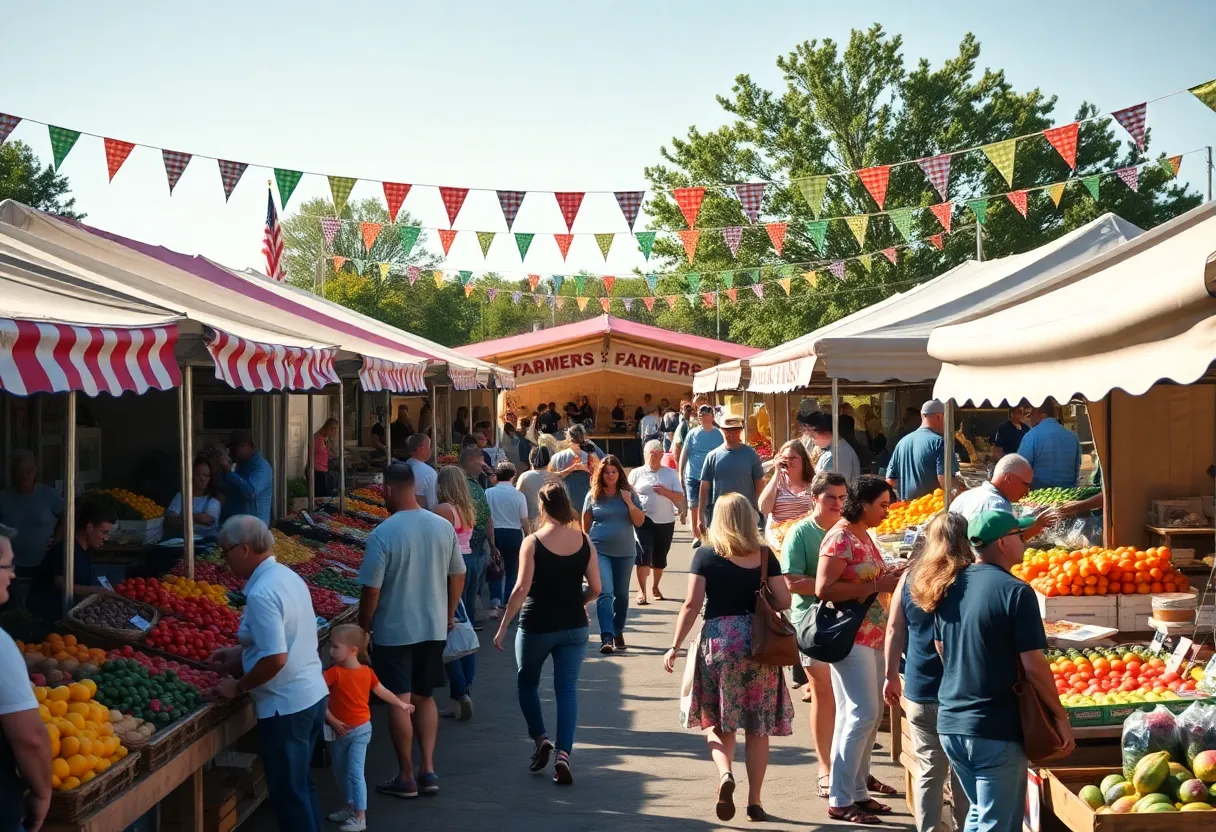
The Aiken farmers market draws both residents and visitors seeking fresh produce, handcrafted goods, and ready-to-eat lunchtime options. This guide explains when to find prepared foods and which vendors are most likely to be serving during the midday rush. It covers typical schedules, peak windows, vendor types, payment methods, seasonal changes, and practical tips to make the most of a lunchtime visit.
Understanding Market Hours and Lunchtime Windows
Farmers markets operate with a variety of schedules depending on the day of the week, season, and local event calendar. In many locations, the market is busiest in the morning, but lunchtime is a prime opportunity to enjoy hot and cold prepared foods without the early-hour crowd. Typical lunchtime activity usually falls into a window that begins around late morning and extends into mid-afternoon. For lunchtime planning, consider these broad time bands:
- Late morning (10:00–11:30) — Vendors begin serving hot items and assembling sandwiches and plates.
- Midday peak (11:30–1:30) — The busiest period for ready-to-eat food vendors; the selection is widest.
- Early afternoon (1:30–3:00) — Many popular dishes may sell out or vendors begin closing down for the day.
Keep in mind that the exact hours vary from vendor to vendor and from one market day to another. It is common to find that prepared food vendors are open slightly later than the stalls selling produce, which often close earlier in the afternoon.
Which Vendors Serve Lunchtime Foods?
Lunchtime-ready vendors offer a wide range of options. Expect to see:
- Hot meal vendors — Grills, smokers, and pans for dishes such as barbecue plates, stir-fries, and hearty soups.
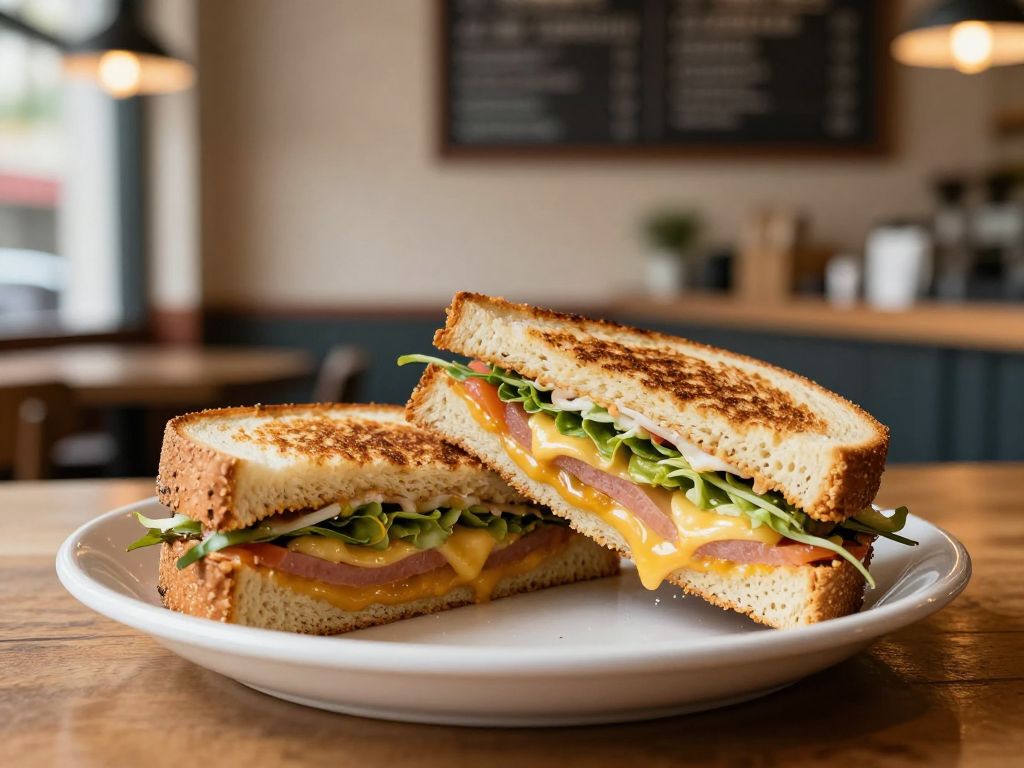
- Sandwich and wrap stands — Quick, portable meals assembled to order with fresh bread and local ingredients.
- Specialty ethnic foods — Tacos, dumplings, bowls, and other global cuisines prepared on-site.
- Salad bars and bowls — Fresh greens and grain bowls with seasonal toppings and dressings.
- Bakery and pastry vendors — Savory pastries, quiches, and hand pies that work well for lunchtime snacking.
- Beverage providers — Coffee, iced tea, fresh juice, and smoothies to accompany meals.
Vendors who prepare food on-site are more likely to be present during lunchtime than those only selling packaged goods. The presence of food trucks or mobile kitchens can significantly increase lunchtime options.
Best Days and Times to Catch Ready-to-Eat Vendors
Markets that run on weekend mornings and midweek afternoons each create different lunchtime dynamics. Consider these tendencies:
- Weekend markets — Typically busier and may start earlier. Lunchtime crowds can be large and selection diverse, but the most popular items can sell out quickly.
- Midweek markets — Often less crowded and more consistent for lunchtime service. Smaller lines and steady availability make midweek visits attractive for a quick lunch break.
- Event days and festivals — Special events tend to extend market hours and attract additional food vendors, offering an expanded lunchtime experience.
For the most reliable lunchtime offerings, plan to arrive during the midday peak but allow for flexibility if a specific vendor or dish is a priority.
Seasonal Variations and Weather Effects
Seasonal changes and weather play a major role in market rhythms. During warm months, vendors with grills and cold-plate options often operate at full capacity, while summer beverage stands thrive. Cooler months bring soups, stews, and other warming meals. Rainy or extremely hot days can reduce the number of vendors or lead to shorter hours, while mild, sunny days usually encourage the highest vendor turnout.
Vendors specializing in perishable items may limit prepared-food menus in extreme temperatures to maintain food safety standards. When planning a lunchtime visit, check for weather-related adjustments and allow extra time for lines on popular days.
Payment Methods and What to Expect
Payment methods at lunchtime vendors vary. Many accept:
- Cash — Still widely accepted and sometimes preferred for small transactions.
- Card payments — Increasingly common with portable terminals and mobile systems.
- Mobile payments — Contactless options such as digital wallets are often available.
- Supplemental assistance programs — Some markets accept benefits or token systems to increase access to fresh foods; availability varies.
It is a good idea to bring multiple payment options, especially if you plan to sample several vendors. Small bills or exact change can speed up service during peak lunchtime traffic.
Food Safety and Labeling at Lunchtime Vendors
Prepared food vendors typically follow local health regulations, which may include permits, temperature controls, and ingredient labeling. When selecting lunchtime meals, pay attention to:
- Allergen information — Many vendors post ingredient lists or can answer questions about common allergens.
- Preparation methods — Some foods are cooked to order while others are pre-prepared and reheated; both approaches have different timelines for availability.
- Storage and serving — Hot items should be held at safe temperatures and cold foods kept chilled.
If you have dietary restrictions, inquire about preparation and cross-contamination practices before ordering.
How to Plan a Lunchtime Visit
To maximize your chances of finding fresh, ready-to-eat vendors at lunchtime, follow these practical steps:
- Arrive within the midday peak window to catch the broadest selection of offerings.
- Map out priorities — Decide if you want a quick coffee and pastry or a full meal from a hot-plate vendor.
- Bring versatile payment options including small bills and a card.
- Check seasonal schedules and be prepared for vendor rotations as summer and winter menus change.
- Allow time for lines during weekend holidays and special events.
Accessibility, Parking, and Seating
Many market sites offer nearby parking options and designated accessible spaces. Seating varies by market; some provide communal tables and shaded areas while others rely on nearby parks or benches. If seating is important for your lunchtime plan, arrive earlier in the peak period to secure a spot, or consider taking food to a nearby green space for a picnic-style lunch.
Tips for Groups and Families
Visiting with a group calls for a slightly different approach. Split orders across stalls to sample a range of items, or assign one person to queue while others secure seating. If children are part of the group, seek vendors offering child-friendly portions and quick service. Consider bringing a small cooler for perishable purchases you plan to eat later.
Finding Up-to-Date Information
Market hours and vendor lineups can change regularly. To get the most accurate lunchtime information, consult the market’s official communications or community postings. These channels typically share updates about hours, special vendors, event days, and weather-related adjustments. When in doubt, give yourself extra time and plan for flexibility.
Summary: When to Go for Lunchtime Options
The optimal lunchtime window at a farmers market generally centers on the late morning through early afternoon, with the busiest and best-stocked period between 11:30 and 1:30. For steadier availability and shorter lines, midweek markets can be ideal. Watch for seasonal shifts and weather impacts, bring varied payment options, and plan seating or picnic alternatives if the market does not provide ample tables.
Frequently Asked Questions
What time do most ready-to-eat vendors start serving lunch?
Most prepared-food vendors begin serving around late morning, with many fully operational by 10:00 to 11:00. The widest selection is often between 11:30 and 1:30.
Are lunchtime menus consistent every market day?
Lunchtime menus can vary by vendor and season. Some vendors maintain a core menu while others rotate dishes based on available ingredients and demand.
What payment methods do lunchtime vendors accept?
Cash is commonly accepted, and many vendors also take cards and mobile payments. Some markets support benefit programs or token systems; availability depends on market policies.
How early should I arrive to get a seat during lunchtime?
If seating is limited, arriving at the start of the midday peak or slightly before can help secure a spot. For large groups, plan to claim seating while someone else queues for food.
Do vendors stay open later in the summer?
Some vendors extend hours during busy summer days and special events, but operating times still depend on individual vendors and weather conditions.
What are common lunchtime food safety practices to expect?
Expect vendors to follow local health guidelines, keep hot foods at proper temperatures, refrigerate cold items, and provide clear ingredient information on request.
Quick Reference Table: Lunchtime Vendor Types and Peak Windows
| Vendor Type | Typical Offerings | Best Time to Find at Lunch | Common Payment Methods | Notes |
|---|---|---|---|---|
| Hot Meal Vendors | Barbecue plates, stews, hot entrées | 11:00–1:30 | Cash, card, mobile | May sell out; arrive early for specialty dishes |
| Sandwich/Wrap Stands | Sandwiches, wraps, paninis | 10:30–1:30 | Cash, card | Quick service; good for take-away |
| Specialty Ethnic Foods | Tacos, bowls, dumplings, street food | 11:00–2:00 | Cash, card, mobile | High demand on weekends; variable menus |
| Salad Bars & Bowls | Greens, grain bowls, toppings | 11:00–2:00 | Card, mobile, cash | Seasonal ingredients; healthy lunch option |
| Bakery & Pastry | Quiches, hand pies, savory pastries | 9:00–1:00 | Cash, card | Great for light lunches and snacks |
| Beverage Stands | Coffee, juice, smoothies, iced tea | 9:00–2:00 | Cash, card, mobile | Essential for pairing with meals |
A lunchtime market visit offers a chance to sample a broad range of fresh, locally prepared foods and to engage directly with vendors. By timing your visit within the midday peak, planning payment options, and considering seasonal variations, you can enjoy a satisfying and efficient market lunch.

Author: STAFF HERE AIKEN
The AIKEN STAFF WRITER represents the experienced team at HEREAiken.com, your go-to source for actionable local news and information in Aiken, Aiken County, and beyond. Specializing in "news you can use," we cover essential topics like product reviews for personal and business needs, local business directories, politics, real estate trends, neighborhood insights, and state news affecting the area—with deep expertise drawn from years of dedicated reporting and strong community input, including local press releases and business updates. We deliver top reporting on high-value events such as the Aiken Horse Show, Aiken Bluegrass Festival, and polo matches at Whitney Field. Our coverage extends to key organizations like the Aiken Chamber of Commerce and the Aiken County Historical Museum, plus leading businesses in manufacturing and tourism that power the local economy such as Bridgestone and the Aiken County Visitors Center. As part of the broader HERE network, including HEREAiken.com, HEREBeaufort.com, HEREChapin.com, HERECharleston.com, HEREClinton.com, HEREColumbia.com, HEREGeorgetown.com, HEREGreenwood.com, HEREGreenville.com, HEREHiltonHead.com, HEREIrmo.com, HEREMyrtleBeach.com, HERENewberry.com, HERERockHill.com, and HERESpartanburg.com, we provide comprehensive, credible insights into South Carolina's dynamic landscape.