
Aiken, South Carolina, August 25, 2025
Aiken Startup Roundup: New Tech, Food Trucks and Retail Openings to Watch
Aiken has been evolving into a lively hub for small business growth, with an influx of technology ventures, a thriving street food scene, and a wave of new retail concepts reshaping commercial corridors. This roundup looks at the kinds of new enterprises that are appearing, the practical steps behind getting a food truck or retail shop up and running, how the local tech ecosystem is taking shape, and what residents and visitors can expect in the coming months.
Overview of the Current Business Landscape
The local economy is showing diversification with startups in digital services, light manufacturing and agricultural technology complementing long-standing hospitality and retail activity. Several trends are driving the shift: lower-cost commercial rents compared with larger urban centers, increasing remote-work adoption that fuels demand for lifestyle businesses, and community-driven initiatives that favor locally owned establishments. These trends make the city attractive for entrepreneurs seeking a manageable market to test concepts without the high overhead of major metropolitan areas.
What to Watch in Tech Startups
New technology initiatives in the area are varied. Expect to see startups focusing on:
- Precision agriculture tools using sensors and analytics to improve crop yields and resource efficiency.
- Industrial automation and robotics for small-scale manufacturers aiming to improve productivity and lower labor costs.
- Telehealth and remote-care platforms that address rural healthcare access by connecting clinicians and patients through low-bandwidth solutions.
- Software-as-a-service (SaaS) solutions aimed at small businesses, such as inventory management and appointment platforms tailored to local retailers and service providers.
These ventures commonly begin as small teams working out of coworking spaces or home offices, then scale through local partnerships, pilot projects with nearby farms or manufacturers, and participation in regional entrepreneur programs or pitch events. While funding often starts with founder capital and small local investments, startups may also pursue grants and in-kind support from community groups or economic development initiatives.
The Food Truck Scene: Growth and Logistics
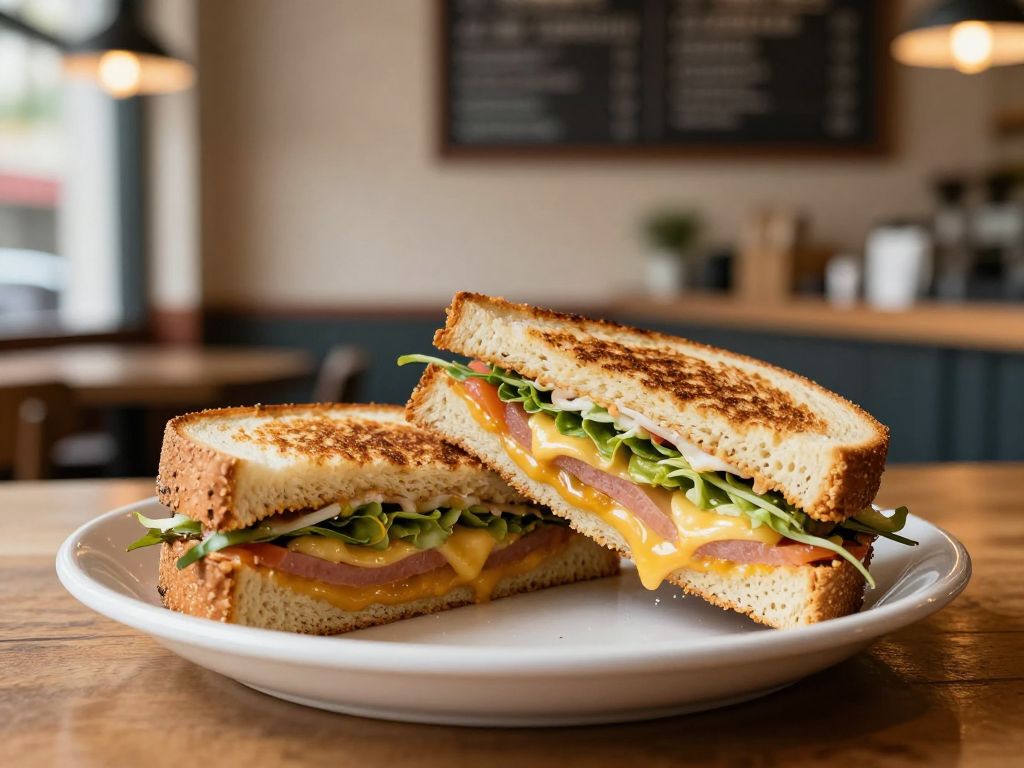
Food trucks continue to be a dynamic and visible part of the culinary scene. Instead of traditional single-location restaurants, mobile food vendors offer flexibility for testing menus, building a following, and participating in events. Key elements that drive success for food trucks include:
- Menu focus and operational efficiency: streamlined menus reduce prep time and inventory complexity, important in compact kitchen spaces.
- Commissary and shared kitchen access: many vendors rely on licensed shared kitchens for prep, storage, and meeting health code requirements.
- Permitting and inspections: local health and zoning rules typically govern where trucks can operate, how often they may be parked in one place, and the necessary safety inspections.
- Strategic locations: farmers markets, special events, brewery courtyards, and food truck gatherings provide concentrated foot traffic.
Operators must navigate business licensing, mobile food permits, and health inspections before opening. Many local governments also ask for proof of vehicle insurance, electrical and propane safety checks, and waste disposal plans. New vendors commonly form partnerships with event organizers and property owners to secure prime service windows and to co-market with other local businesses.
Retail Openings: Types and Trends
Retail in the city is seeing a mix of long-term leases and experimental pop-ups. Key formats to watch:
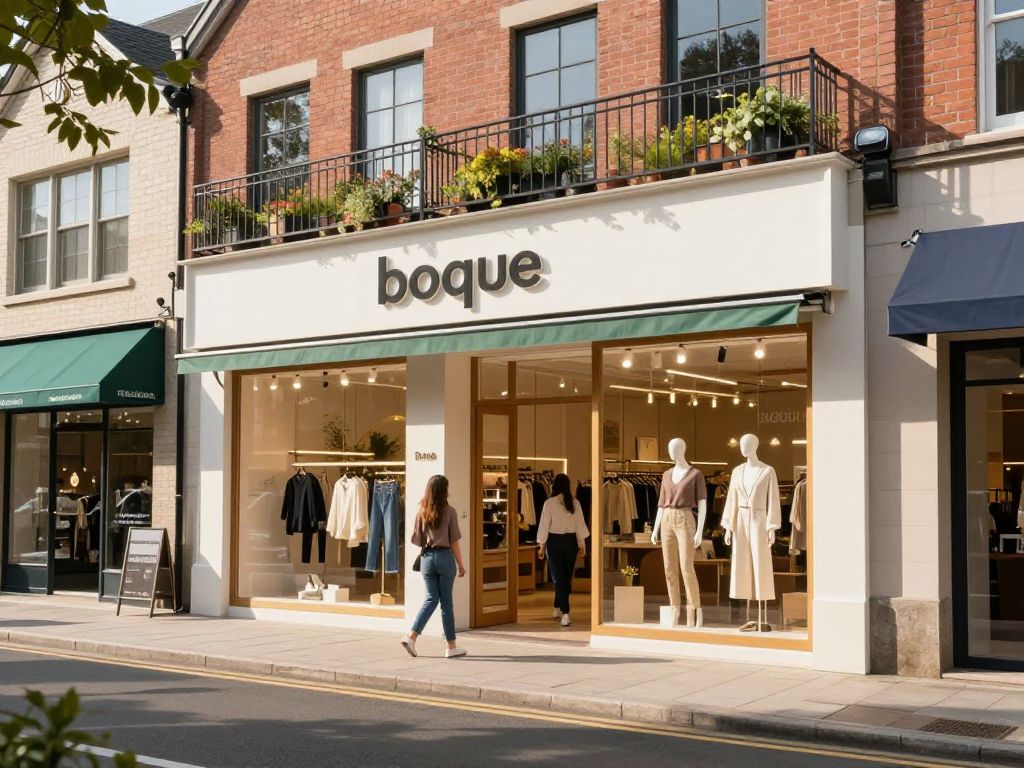
- Specialty boutiques offering curated apparel, gifts, or artisanal goods that cater to residents and visitors seeking distinct offerings.
- Experience-driven stores combining retail with in-store workshops, tasting bars, or maker spaces to encourage foot traffic and repeat visits.
- Pop-up and seasonal markets that allow entrepreneurs to test product-market fit in high-traffic periods without long-term commitments.
- Secondhand and consignment shops that capitalize on sustainability trends and provide lower price points for shoppers.
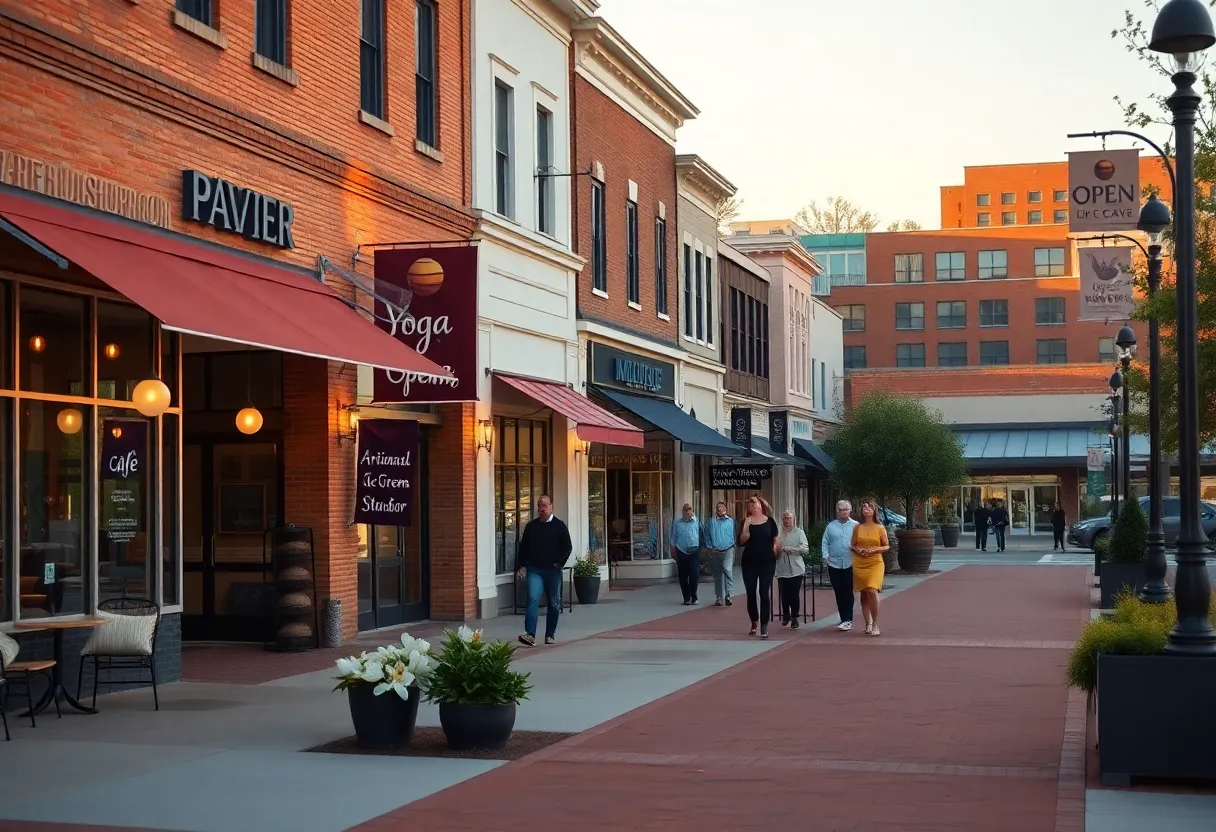
Retail success often depends on location, lease terms and the ability to leverage street-level visibility. Many new retailers use short-term leases or shared storefronts to keep overhead low while refining their brand. Merchants are increasingly coordinating with downtown associations and event calendars to maximize exposure during festivals, parades, and weekend activity.
Where to Keep Track of Openings and Events
To stay informed about openings, startup launches, and food truck schedules, residents typically rely on a mix of local event calendars, municipal business listings, community bulletin boards, and social platforms. Regularly checking city planning and business license records can also reveal newly filed storefront licenses and permits. Community centers and local commerce groups frequently host business mixers and showcase events where entrepreneurs demo products and services.
Practical Advice for Entrepreneurs
For those thinking of launching a venture here, consider these practical steps:
- Begin with a concise business plan focusing on initial costs, break-even points, and a realistic timeline for customer acquisition.
- Research all regulatory requirements early—including business licenses, health permits for food operations, and zoning restrictions for outdoor vending.
- Test concepts with pop-ups, market stalls, or a food truck before committing to long-term leases.
- Build local relationships with property managers, event organizers, and fellow small businesses to access collaboration opportunities and shared marketing.
- Consider shared services such as bookkeeping, point-of-sale systems, and legal templates to reduce overhead while scaling.
Real Estate and Leasing Considerations
Commercial leasing terms vary widely. Prospective tenants should understand the differences between gross and net leases, common-area maintenance responsibilities, utility allocations, and the implications of fit-out costs. Landlords sometimes offer tenant improvement allowances for signage or build-outs, but those are frequently tied to lease length and creditworthiness. For short-term commerce, look into temporary retail spaces, markets, or collaborative retail models that reduce upfront costs and provide immediate access to customers.
Economic Impact and Community Benefits
The arrival of new tech startups, food trucks, and retail stores brings multiple benefits: job creation, more diversified consumer choices, and stronger community activation in public spaces. New enterprises often catalyze pedestrian traffic and can create synergies when coordinated with public events and downtown revitalization plans. For residents, the expansion of local offerings can improve quality of life by reducing travel to distant commercial centers and by fostering a sense of communal identity.
What Consumers Can Expect Next
Over the next 12–24 months, expect to see a steady stream of small-format retail openings, additional food truck gatherings around festivals and markets, and early-stage tech companies launching pilot partnerships with local organizations. Look for more hybrid concepts that combine dining, retail and experiential elements to maximize engagement. As new players enter the market, the local business ecosystem should continue to diversify and become more resilient.
Final Notes for Residents and Visitors
Supporting local entrepreneurs can be done in practical ways: attend pop-up markets, follow event announcements, provide constructive feedback during soft openings, and consider patronizing businesses during off-peak hours to help them achieve consistent revenue. For entrepreneurs, focusing on community needs, operational resilience and adaptive marketing will improve the likelihood of long-term success in the local market.
Frequently Asked Questions
How do I start a food truck here?
Starting a mobile food business involves securing a business license, obtaining mobile food permits and health inspections, arranging a commissary kitchen for food prep, meeting vehicle safety and insurance requirements, and identifying approved locations or event partnerships. Plan for equipment needs, menu testing, and staff training before launch.
Where can I find short-term retail space for a pop-up?
Short-term retail space is often available through shared storefront programs, market organizers, event coordinators, or property owners who offer temporary leases. Look for vacancies in high-foot-traffic corridors and inquire about pilot lease terms, utility arrangements and signage policies.
How can I connect with tech startups or collaborators?
Attend local business mixers, industry meetups, and community showcases. Participate in demo days, join local entrepreneur groups, and use community boards to announce collaboration interests. Partnerships with regional institutions, farms or manufacturers can provide pilot opportunities.
Are food trucks allowed in downtown areas?
Rules vary by locality. Many downtown areas permit mobile vendors in designated spots or during special events, but vendors may need approval from municipal departments and property owners. Check local pedestrian zones, parking regulations, and event permitting requirements before operating downtown.
What is a commissary kitchen and why is it important?
A commissary or shared kitchen is a licensed commercial kitchen where food vendors can prepare, store and sometimes reheat food. It helps operators meet health code requirements, reduces overhead compared with a private commercial kitchen, and provides access to specialty equipment and storage facilities.
Quick Reference: Startup & Retail Checklist
| Topic | Action Steps | Typical Timeline | Resources Needed |
|---|---|---|---|
| Food Truck Launch | Obtain business license, mobile food permit, health inspections, commissary access, insurance | 6–12 weeks | Mobile kitchen, certified commissary, permit fees, staff training |
| Pop-up Retail | Secure short-term lease, design small fit-out, advertise opening, coordinate with local events | 2–8 weeks | Display fixtures, point-of-sale system, inventory |
| Tech Pilot Project | Identify use-case partner, develop MVP, run pilot, gather feedback | 3–9 months | Development resources, pilot participants, basic funding |
| Retail Long-term Lease | Negotiate lease terms, secure tenant improvements, complete signage and licensing | 1–3 months (negotiation) + build-out time | Security deposit, improvement budget, marketing plan |

Author: STAFF HERE AIKEN
The AIKEN STAFF WRITER represents the experienced team at HEREAiken.com, your go-to source for actionable local news and information in Aiken, Aiken County, and beyond. Specializing in "news you can use," we cover essential topics like product reviews for personal and business needs, local business directories, politics, real estate trends, neighborhood insights, and state news affecting the area—with deep expertise drawn from years of dedicated reporting and strong community input, including local press releases and business updates. We deliver top reporting on high-value events such as the Aiken Horse Show, Aiken Bluegrass Festival, and polo matches at Whitney Field. Our coverage extends to key organizations like the Aiken Chamber of Commerce and the Aiken County Historical Museum, plus leading businesses in manufacturing and tourism that power the local economy such as Bridgestone and the Aiken County Visitors Center. As part of the broader HERE network, including HEREAiken.com, HEREBeaufort.com, HEREChapin.com, HERECharleston.com, HEREClinton.com, HEREColumbia.com, HEREGeorgetown.com, HEREGreenwood.com, HEREGreenville.com, HEREHiltonHead.com, HEREIrmo.com, HEREMyrtleBeach.com, HERENewberry.com, HERERockHill.com, and HERESpartanburg.com, we provide comprehensive, credible insights into South Carolina's dynamic landscape.