
Aiken, South Carolina, August 21, 2025
Aiken — Weeknight Scrambles: Local Twilight Golf Tournaments for Working Players
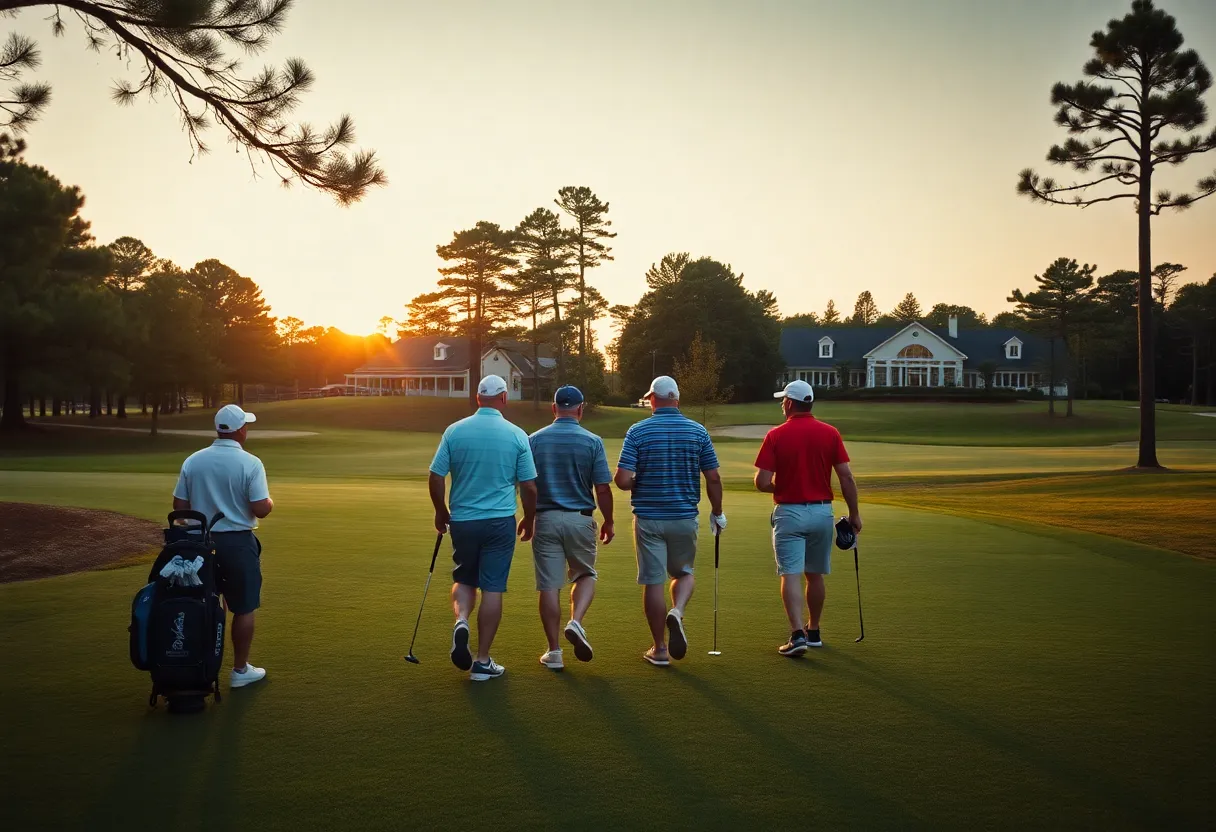
Weeknight golf has become a popular option for players who work conventional daytime hours but still want competitive, social, and time-efficient ways to play. In Aiken, twilight scramble tournaments offer an accessible entry point for golfers of varying skill levels. This article explains what twilight scrambles are, why they suit working players, how they are commonly structured, logistical considerations, and practical tips for making the most of these events.
What is a twilight scramble?
A twilight scramble is a short-format golf competition held in the late afternoon or early evening. The event typically features small teams—often two to four players—who play the hole together and select the best shot among them to play from for the next stroke. The format emphasizes pace, teamwork, and scoring consistency rather than individual perfection. Because of the later start times and abbreviated formats, these events are especially well suited to people who must be at work during daytime hours.
Why twilight scrambles work for working players
Twilight scrambles cater to the time constraints and energy levels of those with daytime commitments. Key advantages include:
- Condensed duration compared with full 18-hole rounds, often allowing completion in 2–3 hours.
- Later start times that fit after standard work hours, frequently beginning between 4:30 p.m. and 6:30 p.m.
- Casual team-based format that reduces pressure and makes the event social and approachable.
- Opportunities for consistent competition without needing to practice or play full rounds daily.
Common formats used in twilight scrambles
While the word scramble is often used generically, several related formats are popular in twilight settings:
- Four-person scramble: All four players tee off; the best shot is chosen and the team plays from that spot. This continues until the ball is holed.
- Two-person scramble: Faster than a four-person scramble and easier to schedule, this involves pairs selecting the better of two shots.
- Shamble: Players tee off, then play their own balls from the chosen tee shot, with the best individual score counting for the team.
- Best-ball/greensome variations: These hybrid formats combine elements of individual scoring and team selection to balance pace and individual recognition.
Logistics: start times, registration, and pace of play
Twilight scrambles are usually arranged to start late enough for working golfers to arrive straight from the office, but early enough to finish before darkness or before municipal or course policies close the course. Typical planning details include:
- Start windows: Common start times are between 4:30 p.m. and 6:30 p.m.; some events stagger tee times every 8–12 minutes to accommodate groups.
- Duration: Most scrambles aim for 9 holes or a shortened 12- or 15-hole option when full 18-hole completion is unlikely due to fading light.
- Registration: Many clubs or groups use online sign-up tools, telephone reservations, or on-site signup boards. Pre-registration helps organizers set pairings and pace.
- Pace of play: Emphasis is placed on moving quickly between shots. Typical scrambles target 2–3 hours total play time for a 9-hole event and up to 3 hours for 12 holes. Maintaining pace is often included in event guidelines.
Entry fees, prizes, and what to expect
Entry fees usually reflect the shortened nature of the event and any included services. A typical fee structure might cover green fees, cart rental, and light post-round refreshments. Prize structures vary and may include team prizes for low net or gross scores, closest-to-the-pin contests on selected holes, or random drawings to encourage participation regardless of skill level. Working players should expect modest fees and accessible prize opportunities rather than large purses.
Handicaps, scoring, and fairness
To keep events competitive and fair, many twilight scrambles apply simple handicap adjustments. Common methods include prorating player handicaps for the number of holes played, imposing a maximum handicap differential per team, or using team handicap formulas. Because the format favors aggressive play and team strategy, scoring is often presented as team gross and team net to reward both raw scoring and handicap equity.
Course and light considerations
Twilight events require mindful planning around daylight and course rules. Local sunset times, seasonal daylight variation, and any municipal lighting policies will influence start times and the number of holes played. Late-season twilight events may need earlier starts or limited hole counts. Many clubs provide a cutoff policy for harmful weather or insufficient light, with clear communication to registrants about refunds or rescheduling.
Etiquette and safety for twilight play
Playing late requires additional attention to etiquette and safety. Recommended practices include:
- Using visible clothing and reflective accessories when necessary.
- Carrying or renting course-approved lights for reading yardage or finding balls, while avoiding bright lights that could distract other groups.
- Marking balls clearly and playing quickly to minimize extended searches in low light.
- Being mindful of course closure times and respecting staff directions if conditions become unsafe.
Equipment and strategy adjustments for twilight scrambles
Team strategy in scrambles often depends on group composition and course conditions. Working players who want to be effective contributors can focus on:
- Short game proficiency: Shots around the green and putting matter more in scramble formats because teams frequently choose shots that leave short approaches.
- Reliable tee play: Consistent drives that find the short grass without reaching for low-percentage heroics help teams maintain steady scoring.
- Essential gear: A set of wedges, a mallet or dependable putter, and a reliable wedge or hybrid for approach shots. Bringing a small flashlight or headlamp is practical for late evening play, but confirm course rules first.
How to find or start a twilight scramble in Aiken
Finding existing events often requires checking local course calendars, community bulletin boards, neighborhood social groups, or local recreation listings. To start a twilight scramble, consider the following steps:
- Scout a course with suitable available tee times and a willingness to host short-format events.
- Set a consistent schedule—weekly or biweekly—so working players can plan ahead around their work commitments.
- Establish simple rules: format, start time, number of holes, fee, and pace expectations.
- Use clear registration procedures with an opt-in roster and waitlist policy to manage fluctuations in participation.
- Include weather, lighting, and refund policies so players understand contingencies.
Typical weeknight timetable and what to expect
A common twilight scramble evening might look like this for a nine-hole event:
- 4:45 p.m. — Arrive, check in at pro shop, warm up at the range briefly if time permits
- 5:15 p.m. — Grouping and rules briefing; announce any local rules or hole competitions
- 5:30 p.m. — Shotgun or staggered tee times begin
- 7:00–8:00 p.m. — Event concludes, scores collected, light awards and camaraderie
Practical tips for working players
To maximize enjoyment and minimize conflicts with work-life obligations, working players should:
- Sign up early and plan for occasional work-related absences.
- Arrive prepared: have gear ready at the car and in order to minimize check-in time.
- Communicate with teammates about arrival times and pace expectations.
- Use twilight events as opportunities for targeted improvement rather than exhaustive practice sessions.
Seasonal considerations
Seasonal daylight changes are especially relevant for twilight tournaments. During spring and summer, later twilight start times allow for longer events. In fall and winter months, organizers often shorten events or move start times earlier to ensure completion. Checking seasonally adjusted schedules will help players avoid last-minute cancellations or truncated rounds.
Concluding notes
Twilight scrambles offer a flexible and enjoyable entry point for working players in Aiken who want to maintain regular golf participation without sacrificing daytime professional commitments. The team-oriented, fast-paced format encourages socializing, supports diverse skill levels, and keeps play efficient. With a little planning around start times, equipment, and pacing, twilight scrambles can become an ideal weekly ritual for golfers balancing work and leisure.
Frequently Asked Questions (FAQ)
What is the typical duration of a twilight scramble?
Most twilight scrambles aim to finish within 2–3 hours for nine to twelve holes; duration depends on format, group size, and course pace-of-play policies.
Do I need an official handicap to play?
Handicaps are helpful for fair competition and certain prize categories, but many twilight scrambles welcome players without official handicaps and apply simple team adjustments or gross-only scoring.
What should I bring for a twilight event?
Bring standard golf clubs, extra balls, a reliable putter, light outerwear for cooler evenings, and a small flashlight or headlamp if permitted by the course for late-light situations. Verify any course-specific equipment rules in advance.
How do organizers handle weather or insufficient light?
Organizers usually set a light-cutoff policy and a weather contingency plan. Events may be shortened, postponed, or refunded depending on local course rules and safety considerations. Check the event’s policy before registering.
Typical Twilight Scramble Formats and Quick Comparison
| Format | Players per Team | Typical Start Time | Average Duration | Best for |
|---|---|---|---|---|
| Four-person scramble | 4 | 5:00–6:30 p.m. | 2.5–3 hours (9 holes) | Social groups and beginners who want a team experience |
| Two-person scramble | 2 | 5:30–7:00 p.m. | 2–2.5 hours (9 holes) | Faster play and more frequent start times |
| Shamble | 2–4 | 5:00–6:30 p.m. | 2.5–3 hours | Players who want both team and individual scoring elements |
| Best-ball variation | 2–4 | 5:00–6:30 p.m. | 2–3 hours | Competitive balance with individual contributions valued |
| 9-hole shotgun | Several groups | 4:45–6:00 p.m. | 2–2.5 hours | Large group events aiming to finish quickly |

Author: STAFF HERE AIKEN
The AIKEN STAFF WRITER represents the experienced team at HEREAiken.com, your go-to source for actionable local news and information in Aiken, Aiken County, and beyond. Specializing in "news you can use," we cover essential topics like product reviews for personal and business needs, local business directories, politics, real estate trends, neighborhood insights, and state news affecting the area—with deep expertise drawn from years of dedicated reporting and strong community input, including local press releases and business updates. We deliver top reporting on high-value events such as the Aiken Horse Show, Aiken Bluegrass Festival, and polo matches at Whitney Field. Our coverage extends to key organizations like the Aiken Chamber of Commerce and the Aiken County Historical Museum, plus leading businesses in manufacturing and tourism that power the local economy such as Bridgestone and the Aiken County Visitors Center. As part of the broader HERE network, including HEREAiken.com, HEREBeaufort.com, HEREChapin.com, HERECharleston.com, HEREClinton.com, HEREColumbia.com, HEREGeorgetown.com, HEREGreenwood.com, HEREGreenville.com, HEREHiltonHead.com, HEREIrmo.com, HEREMyrtleBeach.com, HERENewberry.com, HERERockHill.com, and HERESpartanburg.com, we provide comprehensive, credible insights into South Carolina's dynamic landscape.