Aiken, SC, August 21, 2025
Aiken — A Guide to Festivals, Neighborhood Block Parties, Pop-Up Markets & Signature Events in 2025
Aiken residents and visitors can look forward to a lively 2025 festival season filled with community-driven neighborhood block parties, bustling pop-up markets, and several larger-scale signature events that highlight the region’s culture, arts, food, and outdoor lifestyle. This guide provides an overview of what to expect, practical planning tips, accessibility and sustainability considerations, and a compact calendar to help attendees, vendors, and volunteers prepare for the year ahead.
Overview of 2025 Festival Types
Festivals in the city generally fall into three overlapping categories. The first category, neighborhood block parties, emphasizes local neighborhoods, resident-led programming, and family-friendly activities. The second, pop-up markets, focuses on small-business vendors, artisans, food vendors, and rotating vendor lineups. The third category, signature events, includes larger, often city-wide gatherings that may draw regional attendees and include multi-day programming.
Neighborhood Block Parties: What to Expect
Neighborhood block parties are typically intimate, low-cost gatherings organized by neighborhood associations, resident groups, or informal coalitions. Expect temporary street closures of one to three blocks, live neighborhood music or playlist-curated soundtracks, kids’ zones, local food trucks or potluck-style contributions, and community tables with information on local services.
Key logistical notes for these events include street closure procedures, temporary signage, trash and recycling plans, and safety marshals. In many instances, organizers coordinate with municipal departments to secure necessary permits and arrange limited street parking suspensions. Attendees should anticipate walking short distances from public parking areas.
Pop-Up Markets: Vendors, Layouts & Permits
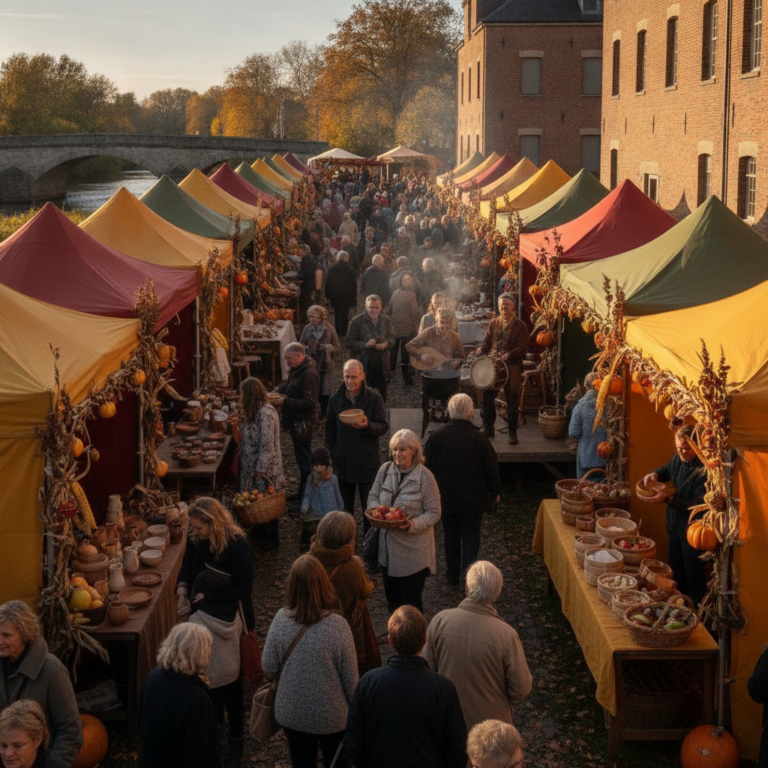
Pop-up markets in 2025 will cover a wide range of scale, from a cluster of artisan tents in a public plaza to curated evening markets with food trucks and live demonstrations. Typical vendor categories are handcrafted goods, art, vintage items, specialty foods, beverages, and community nonprofit booths. Markets often rotate weekly or monthly and are planned with a heightened focus on accessibility and safe pedestrian flow.
Prospective vendors should prepare a concise vendor application package that includes product photos, a list of items for sale, proof of necessary business licenses, and any relevant food handling certifications. Vendors are advised to arrive early on market days to complete setup and align canopies so they do not impede fire lanes or accessible routes.
Signature Events: Larger-Scale Attractions
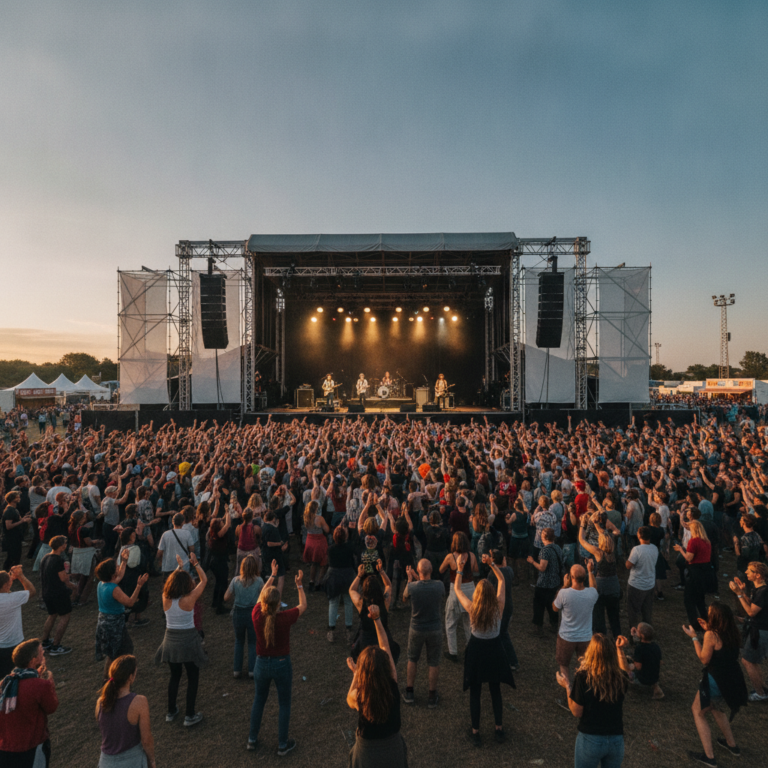
Signature events can include multi-day music and arts festivals, seasonal fairs, and outdoor cultural celebrations. These gatherings often feature a curated lineup of performers, educational workshops, food and beverage areas, and designated family zones. Because of their scale, organizers typically establish formal event footprints with dedicated ingress and egress points, temporary fencing, and professional event staffing.
Attendees at signature events should plan ahead for crowd movement, available restrooms and water refill stations, and designated first-aid or information tents. It is common for such events to encourage cashless payments at vendor booths and to offer accessible viewing platforms for guests with mobility needs.
Seasonal Timing and Typical 2025 Patterns
The 2025 festival calendar will reflect seasonal considerations:
- Spring: Outdoor markets and neighborhood block parties ramp up as weather warms; expect garden-themed pop-ups and arts showcases.
- Summer: Evening markets, concert series, and family-oriented block parties peak—organizers often shift to dusk schedules to avoid midday heat.
- Fall: Harvest markets, craft fairs, and signature cultural events utilize cooler days for outdoor enjoyment; equestrian-related festivities and outdoor exhibitions are common in the region.
- Winter: Smaller-scale indoor markets, holiday pop-ups, and community gatherings become more frequent; planning often accommodates weather contingencies.
Accessibility & Inclusive Design
Accessibility is a core consideration for modern event design. Organizers are increasingly prioritizing accessible parking, wheelchair-accessible routes, ramps for raised stages, hearing assistance where feasible, and clear high-contrast signage. Attendees with specific accessibility needs should consult event pages or contact organizers early to confirm services such as designated viewing areas, accessible restroom locations, and mobility assistance volunteers.
Safety, Health & Weather Contingencies
Public safety plans for 2025 should include designated first-aid stations, clear evacuation routes, shaded rest areas, and hydration stations. For outdoor events, organizers commonly establish weather contingency plans that outline early-warning procedures, communication channels for attendees, and shelter options. Attendees are encouraged to monitor weather forecasts, wear appropriate clothing, bring water, and carry basic items like sunscreen and insect repellent.
Transportation, Parking & Drop-Offs
Many festival sites are pedestrian-friendly and encourage arriving by walking, biking, or using shared-ride services. Where driving is necessary, temporary parking lots or street parking may be designated with shuttle service for larger signature events. Drop-off and pick-up zones are typically clearly marked; being mindful of posted restrictions and signage helps minimize traffic congestion and improves safety for pedestrians.
Vendor & Food Service Considerations
Vendors should prepare for variable foot traffic by bringing adequate quantities of popular items and planning for swift point-of-sale transactions. Food vendors must follow food safety best practices, maintain proper temperature control for perishable items, and use labeled packaging for allergy information. Reusable or compostable service ware is encouraged as part of venue sustainability plans.
Volunteer Opportunities & How to Get Involved
Volunteers play a vital role in neighborhood block parties and larger events by staffing information tables, assisting with setup and teardown, managing kid zones, or serving as mobile safety marshals. Volunteer sign-ups generally open several weeks to months prior to events, with roles ranging from short-shift ambassador positions to multi-day logistical assignments. Volunteers are often provided with orientation materials and a point of contact for the event day.
Budgeting & What to Bring
For attendees, budgeting considerations include event entry fees (if applicable), food and beverage costs, vendor purchases, parking or transportation fees, and optional merchandise. Recommended items to bring are comfortable shoes, reusable water bottle, a compact umbrella or sunshade, cash or card for purchases, and any personal medications. Families attending with small children should consider packed snacks and basic entertainment for lines or wait times.
Sustainability Practices to Expect
Expect to see increased emphasis on recycling stations, composting programs for food waste, reduced single-use plastic policies, and vendor education about environmentally preferred packaging. Many events also promote carpooling, bicycle parking, and incentivized use of reusable serviceware to lower waste footprints.
Tips for First-Time Attendees
- Check event schedules and site maps in advance to plan arrival and departure.
- Allow extra time for parking and security screening at larger events.
- Bring a small foldable chair or blanket for concerts and demonstrations.
- Pack a fully charged phone and an external battery if you plan to rely on mobile tickets or maps.
- Respect neighborhood residents by using designated walkways and observing quiet hours where posted.
Planning Timeline for Event Organizers
Organizers should maintain a planning timeline that begins at least six months prior for signature events and 6–12 weeks prior for neighborhood block parties and markets. Key milestones include securing permits, confirming insurance and safety plans, vendor recruiting, volunteer recruitment, layout and staffing plans, and marketing outreach. Early coordination with municipal permitting offices and emergency services can streamline approvals and improve safety outcomes.
Frequently Asked Questions
Are festivals family-friendly?
Many neighborhood block parties and pop-up markets are family-friendly and provide kid zones, activity tables, and family rest areas. Signature events often include designated family areas and age-appropriate programming.
Do I need tickets for events?
Some signature events may require advance tickets or limited-capacity entry, while many neighborhood gatherings and pop-up markets are free to attend. Always check event-specific details for ticketing information.
Can I bring my pet?
Pet policies vary by event. Some outdoor neighborhood block parties welcome well-behaved pets on leashes, while larger events may restrict animals due to safety or food handling rules. Service animals are typically permitted under accessibility guidelines; check individual event policies for confirmation.
How can I apply to be a vendor?
Vendor applications generally request product descriptions, photos, proof of any required licenses, and vendor fees if applicable. Submission deadlines vary, so plan to apply several weeks before the event date.
What happens if it rains?
Event weather policies range from full cancellation to relocation to an indoor site or rescheduling. Organizers typically publish inclement weather plans; attendees should verify these plans before arriving.
Are events accessible?
Most events include accessibility features such as accessible routes and restroom facilities. Contact organizers in advance to inquire about specific accommodations if needed.
Is there public transit or shuttle service?
Public transit availability and shuttle services depend on event size and location. Signature events may arrange temporary shuttles from remote parking lots; check event information pages for details and recommended arrival strategies.
Quick Reference Table: Aiken 2025 Festival Types
| Event Type | Typical Months | Typical Locations | What to Expect | Practical Tips |
|---|---|---|---|---|
| Neighborhood Block Parties | Year-round, peak in spring and summer | Local streets, community parks | Local music, family activities, food sharing | Arrive early, respect local parking signs |
| Pop-Up Markets | Spring through fall | Plazas, parking lots, greenways | Artisans, small-batch foods, rotating vendors | Bring small change, reusable bag |
| Signature Events | Seasonal peaks (spring, fall) | Main downtown, large parks, event grounds | Multi-stage programming, larger food areas | Buy tickets early, plan for crowds |
| Evening Concert Series | Late spring to early fall | Amphitheaters, lawns, public squares | Live music, lawn seating, food vendors | Bring blanket/chair, check sound curfew |
| Holiday & Winter Markets | Late November through December | Indoor venues, covered pavilions | Seasonal crafts, indoor vendor booths | Layer clothing, verify indoor capacity rules |
Planning and participation in the 2025 festival season can be a rewarding way to engage with neighborhoods, support small businesses, and enjoy public programming. Whether attending a low-key block party or a larger signature event, advance planning, respect for local guidelines, and a focus on safety and accessibility will help ensure positive experiences for all.
Author: STAFF HERE AIKEN
The AIKEN STAFF WRITER represents the experienced team at HEREAiken.com, your go-to source for actionable local news and information in Aiken, Aiken County, and beyond. Specializing in "news you can use," we cover essential topics like product reviews for personal and business needs, local business directories, politics, real estate trends, neighborhood insights, and state news affecting the area—with deep expertise drawn from years of dedicated reporting and strong community input, including local press releases and business updates. We deliver top reporting on high-value events such as the Aiken Horse Show, Aiken Bluegrass Festival, and polo matches at Whitney Field. Our coverage extends to key organizations like the Aiken Chamber of Commerce and the Aiken County Historical Museum, plus leading businesses in manufacturing and tourism that power the local economy such as Bridgestone and the Aiken County Visitors Center. As part of the broader HERE network, including HEREAiken.com, HEREBeaufort.com, HEREChapin.com, HERECharleston.com, HEREClinton.com, HEREColumbia.com, HEREGeorgetown.com, HEREGreenwood.com, HEREGreenville.com, HEREHiltonHead.com, HEREIrmo.com, HEREMyrtleBeach.com, HERENewberry.com, HERERockHill.com, and HERESpartanburg.com, we provide comprehensive, credible insights into South Carolina's dynamic landscape.